
Yamywyh
Choosing a Chemical Tempering Glass supplier is not simply a search for the lowest quotation. It requires evidence, testing, and a clear understanding of the application. As glass scientist John C. Mauro has said, “Glass is a solid with the structural disorder of a liquid.” That unusual structure explains why small manufacturing differences can affect strength, clarity, and long-term reliability.
This guide examines ten leading suppliers through practical criteria. These include ion-exchange capability, glass composition, thickness range, surface compression, depth of layer, optical haze, edge finishing, and dimensional control. Supplier experience also matters. A manufacturer serving smartphone displays may not meet the needs of architectural panels, laboratory equipment, or automotive interiors. Ask for sample data. Inspect the edges under bright light. Check whether test results are traceable to recognized standards.
No ranking is perfect. Supplier websites may omit important process details. Published strength values can change with glass size, surface damage, and testing methods. That is why this selection should support careful comparison, not replace qualification trials. Reliable companies explain their process, disclose realistic tolerances, and respond clearly when performance falls short. Some suppliers may look impressive on paper but provide limited technical support. That matters.
The following list highlights companies with relevant capabilities, production experience, and documented quality practices. It also considers customization, communication, delivery consistency, and after-sales support. A strong supplier should help you identify risks before production begins. In Chemical Tempering Glass, that honesty can be more valuable than a polished brochure.
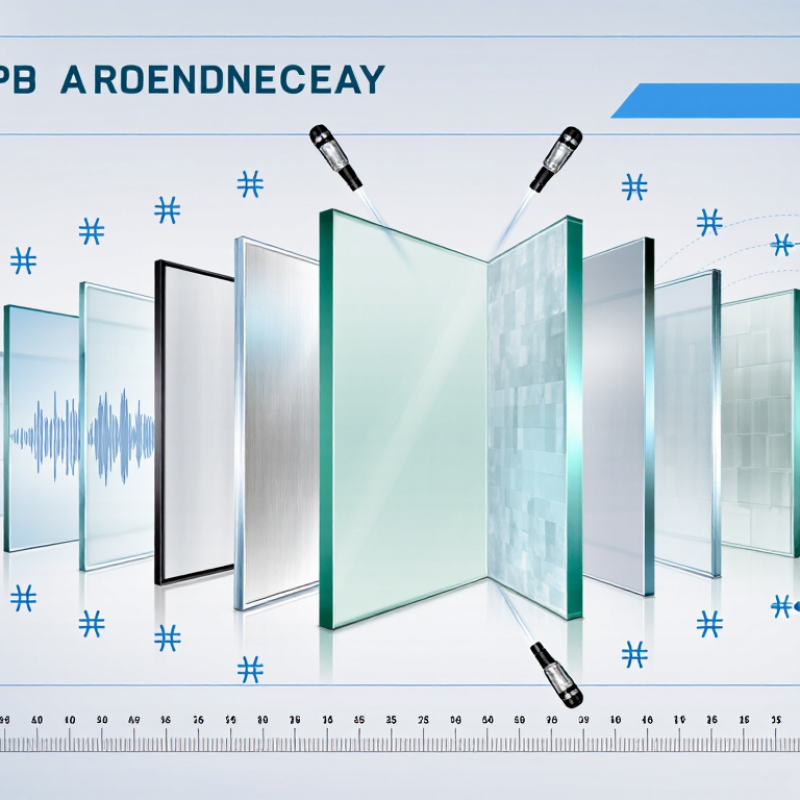
Chemically tempered glass is strengthened through ion exchange, not ordinary heating and rapid cooling. During production, smaller sodium ions near the surface are replaced by larger potassium ions. This creates compressive stress across the outer layer. The result is glass with improved resistance to scratches, bending, and small impacts.
The process can be controlled for different thicknesses and performance requirements. Thin screens often use shallow chemical strengthening, while demanding components may need a deeper compression layer. In practical handling, chemically tempered glass usually keeps its shape better after damage. It can still break sharply, though. Chemical strengthening does not make glass unbreakable.
A dependable supplier should provide compression depth, surface stress, optical quality, and thickness records. Ask how the glass was tested, not only how strong it sounds in advertising. A proper inspection may include edge checks, haze measurement, and impact testing. Edges remain a weak point, especially after cutting or drilling. This detail is often underestimated.
The ten best suppliers should be compared by process control, traceability, customization, and technical support. Factory cleanliness matters because tiny particles can affect optical surfaces. Documentation matters too. I would also request samples before approving a large order. Lab results may look excellent, yet real installation conditions can expose flaws. My earlier assumption was that higher surface stress always meant better performance. It does not. Excessive stress can create handling concerns and unpredictable failure patterns.

Choosing among the 10 best chemical tempering glass suppliers requires more than comparing prices. Evaluate their process control, testing records, and ability to meet your exact specifications. Ask whether they use ion exchange, and request data for surface compression, compressive stress depth, thickness tolerance, and optical distortion.
Request production samples before approving a supplier. Inspect the edges under bright light, check surface uniformity, and measure dimensions with calibrated tools. A reliable supplier should provide batch identification, inspection reports, and clear replacement procedures. Their quality system should support traceability from raw glass to final shipment.
Technical support also matters. Suppliers should explain how coating, cutting, drilling, and cleaning may affect performance. Ask for test methods based on recognized international standards, not vague claims. Review their experience with touch panels, protective windows, or instrument covers similar to your application. Real samples reveal more than brochures.
Do not judge quality from appearance alone. A flawless sample may not represent mass production. Confirm capacity, lead times, packaging, and storage conditions. Small edge chips can become serious failure points. I would also ask how rejected pieces are recorded. Weak answers deserve attention.
Price can mislead. Cheap glass may create higher inspection and replacement costs later. A careful supplier welcomes technical questions, admits process limits, and offers measurable evidence instead of confident promises. That matters.
The top ten chemical tempered glass suppliers should be judged by process control, not advertising volume. Strong candidates include thin-cover glass specialists, precision display-glass fabricators, laboratory-glass producers, architectural panel makers, and custom optical manufacturers. Other useful categories include medical-device suppliers, aerospace-grade processors, sensor-cover producers, industrial touchscreen fabricators, and small-batch engineering workshops.
Reliable suppliers usually describe their ion-exchange process clearly. They should explain bath temperature, potassium salt control, treatment time, and surface compression testing.
Ask for thickness data, optical haze results, flatness records, and edge-strength measurements. A supplier that provides batch traceability is easier to audit.
Samples should reveal clean edges, consistent color, and no visible distortion under angled light. Request samples first.
Experience matters during design changes.
A capable technical team can adjust cutouts, holes, coatings, and radii before production begins. It should also discuss failure modes, including scratches, edge chips, and delayed breakage.
Some suppliers promise extremely high strength without showing test conditions. That deserves caution. I have seen specifications look impressive until humidity, abrasion, or edge damage exposed weaknesses.
No ranking is permanent. A smaller workshop may outperform a larger producer on a difficult custom panel, but struggle with volume. Recheck current equipment, certifications, lead times, and inspection methods before choosing among the top ten.
Choosing among the 10 best chemical tempering glass suppliers requires more than comparing prices. Key products include ultra-thin cover glass, camera windows, wearable displays, and curved panels. Ion-exchange processing replaces smaller sodium ions with larger potassium ions, creating surface compression. Supplier evaluations should examine glass thickness, compression depth, optical distortion, edge strength, and coating compatibility.
Technology changes performance. According to the 2024 MarketsandMarkets report on specialty glass, demand is rising through electronics, automotive displays, and medical devices. The report identifies thinner substrates and improved impact resistance as major development priorities. A 2024 Grand View Research analysis also describes consumer electronics as a leading application area for chemically strengthened glass. However, supplier data is not always comparable. Test methods differ.
Applications are highly practical. A smartphone cover may need precise touch response and resistance to repeated drops. Automotive interior panels require stable optics under heat, vibration, and cleaning chemicals. Medical screens demand smooth surfaces and reliable sterilization compatibility. Industrial control panels often need thicker glass and stronger edge protection.
Edges still matter. Suppliers should provide ion-exchange depth reports, four-point bending results, haze measurements, and thermal-cycle data.
ISO 1288 is commonly referenced for glass strength testing, but it does not replace application-specific validation.
I would not treat any market forecast as universal; regional demand and device design can change quickly.
How to Choose the Right Chemical Tempering Glass Supplier
The best supplier is not always the one offering the lowest quotation. Chemical tempering uses ion exchange to create surface compression, so process control matters greatly. Ask for measured surface stress, compression depth, flatness, haze, and breakage data. A reliable supplier should provide batch traceability and explain its inspection equipment. Request sample panels, not only polished certificates. Hold them under angled light and inspect edges, scratches, and optical distortion.
Market demand makes supplier selection more important. MarketsandMarkets’ 2024 Smart Glass Market report projects growth from about USD 7.5 billion in 2024 to USD 11.7 billion by 2029. Grand View Research also forecasts roughly 6% annual growth for specialty glass through the decade. These figures suggest stronger production pressure. That pressure can affect lead times and consistency. Confirm monthly capacity, minimum order quantities, and backup production plans before approving a supplier.
Review testing against applicable ISO and ASTM methods, especially for mechanical strength, optical quality, and environmental durability. Ask how the supplier controls salt-bath temperature, treatment time, and edge finishing. A capable partner will discuss your thickness, geometry, hole locations, and expected loading conditions. My own weak assumption would be trusting a single strength value. Real parts fail at edges, corners, or handling marks. Require aging tests, lot-to-lot comparisons, and a written corrective-action process. Cheap samples can mislead. Production evidence matters more.