10 Tips for Choosing High Reflective Glass for Your Next Project?
Choosing the right materials for architectural projects is crucial. High Reflective Glass is increasingly popular among architects and builders. According to a report by Grand View Research, the global reflective glass market is expected to grow significantly, driven by demand in the commercial sector.
High Reflective Glass enhances energy efficiency by reducing solar heat gain. This is vital in regions with high temperatures, where cooling costs can be a significant concern. A study by the U.S. Department of Energy indicated that buildings with proper glazing could achieve energy savings of up to 30%. However, the selection process can be daunting.
Common issues arise when evaluating options. Not all reflective glasses provide the same level of performance. Factors like manufacturer reputation and glass coating quality are key. Being informed about certifications is essential too. For instance, the American Society for Testing and Materials (ASTM) rating can serve as a reliable guide. Ultimately, while High Reflective Glass offers benefits, careful consideration of details is critical for effective project outcomes.
Types of High Reflective Glass and Their Applications
High reflective glass comes in various types, each suited for specific applications in architecture and design. Low-E glass is one type that significantly reduces UV transmission while offering a high level of reflectivity. According to a report from the International Energy Agency, using Low-E glass can reduce energy costs by up to 30%. This makes it a suitable choice for energy-efficient buildings, especially in regions with extreme weather conditions.
Another type is tinted reflective glass, which provides aesthetic appeal while limiting glare. This glass type can be ideal for commercial buildings, allowing for natural light while maintaining privacy. The National Glass Association highlights that tinted glass can help in reducing heat gain by up to 50%. However, it's important to consider that overuse of tinted glass can darken indoor spaces excessively, making them feel closed off. Finding a balance between light and privacy is crucial for optimal results.
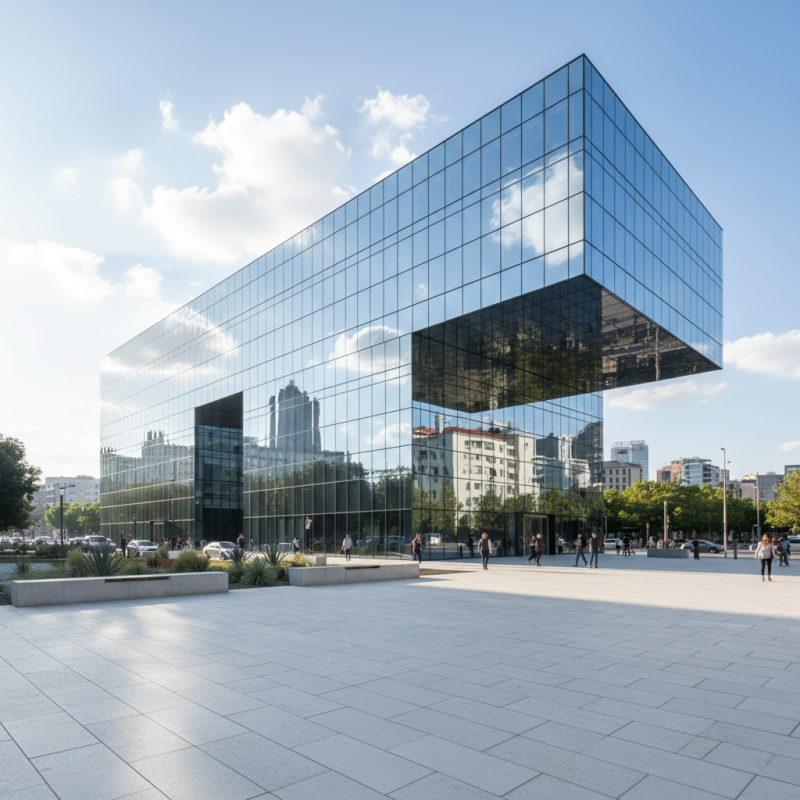
Mirrored glass, often used in facades, enhances visual effects and can make structures appear taller and more modern. While visually impactful, it can reflect heat and potentially create hot spots in urban areas. Urban planners should consider local climate conditions when selecting this glass type. These functional aspects highlight the need for careful decision-making when choosing high reflective glass for your next project.
Factors to Consider When Selecting High Reflective Glass
When selecting high reflective glass, consider several critical factors. Light transmittance rates play a vital role in energy efficiency. A report from the Glass Association indicates that glass with a 70% light transmittance can reduce cooling costs by up to 25%. This statistic highlights the importance of choosing glass that allows ample natural light while providing insulation.
The angle of reflection is another essential aspect. Glass used in commercial buildings often requires specific angles to reduce glare. Research shows that properly angled reflective glass can decrease eye strain for occupants. However, finding the right balance is tricky. Too much reflectivity can create discomfort. It's essential to consider both aesthetics and functionality when making a decision.
Moreover, evaluating the environmental impact is crucial. High reflective glass can enhance building efficiency but may also pose challenges regarding recycling and waste. In addition, industry experts report that demand for low-emission coatings is rising. These coatings not only improve thermal performance but also contribute to sustainability efforts. Balancing these elements can complicate the selection process but is vital for responsible design.
10 Tips for Choosing High Reflective Glass for Your Next Project
This chart illustrates the importance ratings of various factors to consider when selecting high reflective glass for projects. Factors include UV protection, visible light reflection, energy efficiency, cost, and durability. Each factor is rated on a scale of 1 to 10, helping to prioritize key elements in decision-making.
Understanding the Impact of Reflectivity on Energy Efficiency
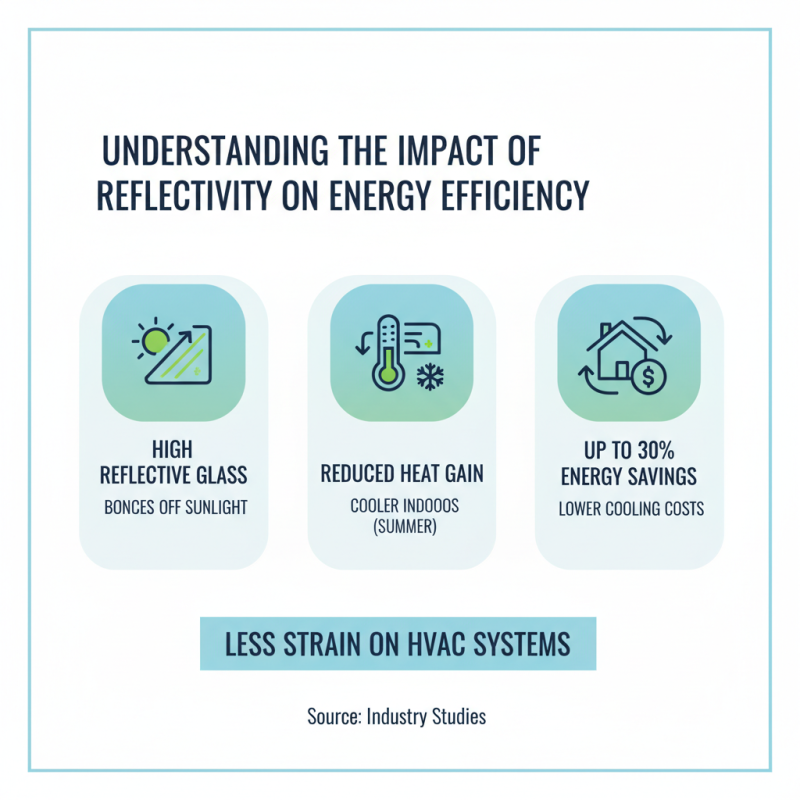
When selecting high reflective glass for a project, understanding its impact on energy efficiency is crucial. Studies indicate that buildings with reflective glazing can reduce energy costs by up to 30%. This effect stems from the glass's ability to reflect sunlight, minimizing heat gain during summer months. It can significantly alleviate the strain on cooling systems, leading to lower energy consumption.
However, there are trade-offs to consider. High reflectivity can create glare, affecting occupant comfort. A report by the U.S. Department of Energy suggests that this glare can lead to productivity losses, especially in office settings. Furthermore, inadequate consideration of local climate conditions may result in increased heating needs during winter. It's essential to evaluate the balance between energy savings and livability. For optimal outcomes, proper orientation and shading should be factored into the design, ensuring that reflective properties enhance, rather than hinder, the indoor environment.
Cost Considerations for High Reflective Glass in Construction Projects
When considering high reflective glass for construction projects, cost often plays a significant role. According to the Glass Association, high reflective glass can range from $25 to $50 per square foot, depending on the specifications. This price varies based on factors like thickness, coatings, and size. Project budgets can quickly escalate if these factors are not carefully evaluated.
Reflective glass enhances energy efficiency by reducing heat gain. A study from the National Renewable Energy Laboratory (NREL) indicates that buildings with high reflective glass can save up to 30% on cooling costs. However, the upfront investment is substantial. Clients should weigh immediate expenses against long-term savings. High reflective glass also poses installation challenges. Experienced contractors are essential to prevent costly mistakes.
The environmental impact adds another layer to the cost discussion. While reflective glass aids in energy savings, it can produce glare and heat stress. Balancing aesthetics with functionality is crucial. Proper selection ensures the glass meets aesthetic goals without compromising structural integrity or user comfort. These considerations become even more vital in urban areas, where local building codes may dictate allowable materials.
10 Tips for Choosing High Reflective Glass for Your Next Project
| Tip Number |
Tip Description |
Cost Consideration |
| 1 |
Determine the level of reflectivity required for your project. |
Higher reflectivity often means higher costs. |
| 2 |
Evaluate the energy efficiency ratings of the glass. |
Energy-efficient glass can save costs in the long term. |
| 3 |
Check for local building codes and regulations. |
Non-compliance can lead to additional costs. |
| 4 |
Consider the aesthetic impact of high reflective glass. |
Design choices can influence overall project costs. |
| 5 |
Assess the impact of solar gain and glare. |
Mitigation strategies may incur additional costs. |
| 6 |
Research the durability and maintenance needs of the glass. |
Higher durability often correlates with higher initial costs. |
| 7 |
Inquire about warranty and after-sales service options. |
Good warranties can save costs on future repairs. |
| 8 |
Evaluate options for customization in size and finish. |
Custom sizes may increase material costs. |
| 9 |
Consider the environmental impact of glass manufacturing. |
Eco-friendly options may have different price points. |
| 10 |
Get multiple quotes and comparisons from suppliers. |
Comparing prices can help find the best overall deal. |
Maintenance and Longevity of High Reflective Glass Solutions
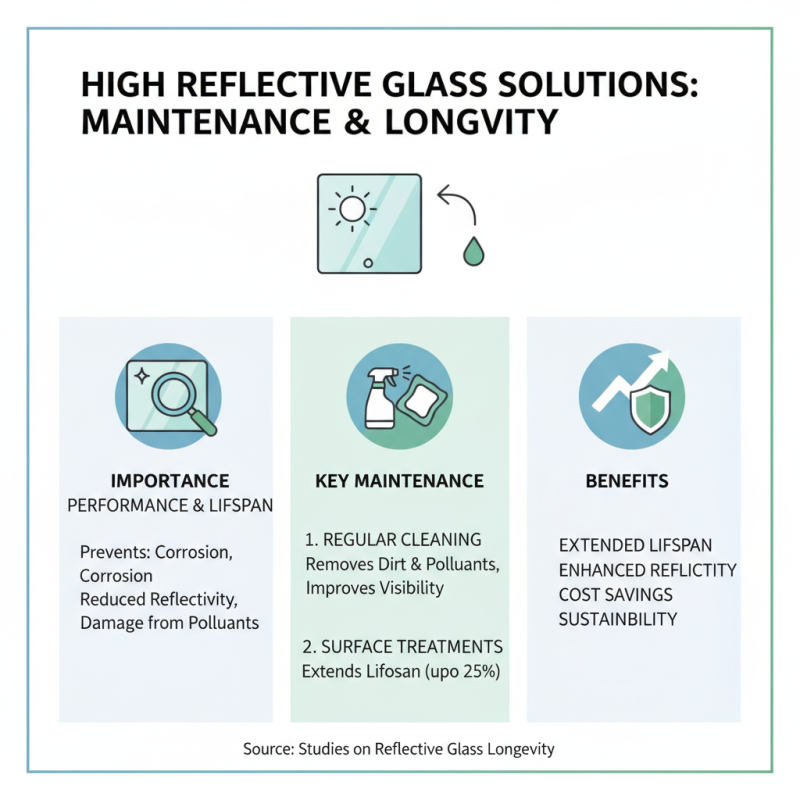
High reflective glass solutions require careful maintenance to ensure longevity and optimal performance. Studies show that surface treatments can extend the lifespan of reflective glass by up to 25%. For instance, regular cleaning not only improves visibility but also prevents damage from accumulated dirt and pollutants. Neglecting maintenance can lead to corrosion, reducing the glass’s reflectivity.
When specifying high reflective glass, understanding its maintenance requirements is crucial. Choose coatings that offer self-cleaning properties to minimize manual upkeep. Aim for glass with a hardness rating of 8 or higher on the Mohs scale, as it resists scratches and wear. This ensures your glass remains functional and attractive over time.
It’s also important to consider installation factors. Proper sealing and framing reduce moisture intrusion, a common cause of deterioration. Consult industry reports, which indicate that improperly installed glass can lose up to 20% of its reflective effectiveness. Regular inspections can catch early signs of wear or damage, allowing for prompt restoration. Prioritizing maintenance and durable options can lead to better long-term performance in your projects.