What is Scratch Resistant Glass and Why is it Important?
In today’s world, the demand for Scratch Resistant Glass is on the rise. This innovative material plays a crucial role in various industries, from technology to architecture. According to Dr. Samantha Lee, a leading expert in glass technology, “Scratch Resistant Glass enhances durability and ensures longevity.” Her insights underline the significance of this material in daily applications.
Scratch Resistant Glass offers practical benefits. It reduces the frequency of replacements, cutting costs for both consumers and manufacturers. With the increase in touchscreen devices, scratch resistance becomes essential. Yet, the market sometimes lacks clarity on what constitutes true scratch resistance.
Challenges remain in educating consumers about these differences. Some products claim scratch resistance but may fall short in real-life scenarios. Understanding this merits attention. It invites consumers to question the actual value of thinner, seemingly effective solutions. Exploring Scratch Resistant Glass provides insight into durability and performance, which is critical in making informed choices.

Understanding Scratch Resistant Glass: Definition and Importance
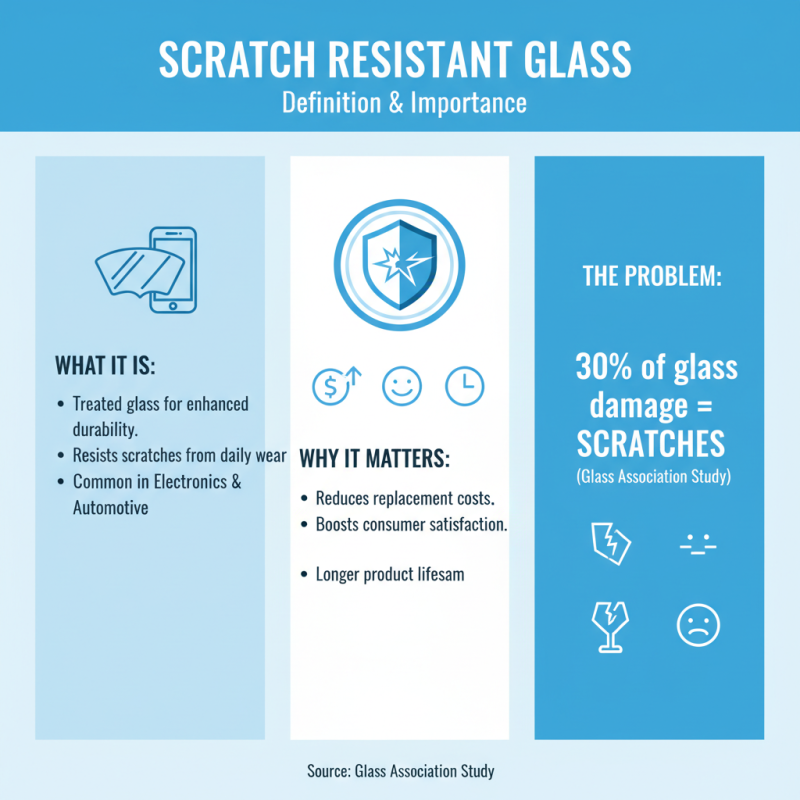
Scratch resistant glass has gained popularity in various industries, particularly in electronics and automotive sectors. This type of glass undergoes special treatments to enhance its durability against scratches. According to a recent study by the Glass Association, 30% of glass damage is attributed to scratches, leading to increased replacement costs and decreased consumer satisfaction.
The importance of scratch resistant glass cannot be overstated. It extends the lifespan of products and maintains their aesthetic appeal. For example, smartphones that utilize scratch resistant glass report a 50% reduction in screen-related incidents. This durability not only fosters consumer trust but also reduces waste, supporting sustainability efforts.
Tips: Consider your lifestyle when choosing glass products. High-risk environments may require better protection. Regularly cleaning glass surfaces can also minimize scratches. Reflect on your previous choices. Were they durable enough for your needs? Exploring these options helps ensure that the glass you choose serves you well in the long run.
Materials Used in Scratch Resistant Glass Production
Scratch resistant glass is produced using a variety of durable materials. These materials enhance the glass's ability to withstand scratches and damage. Common materials include aluminosilicate, which is known for its strength and longevity. Magnesium and potassium are also added to boost toughness. The combination of these elements creates a resilient surface that can resist everyday wear and tear.
Another key material is ion-exchanged glass, which undergoes a special treatment process. This method replaces smaller ions with larger ones, increasing compressive stress on the surface. This results in an enhanced scratch resistance. However, despite the advancements, no glass can be entirely scratch-proof. Users should remain cautious and handle the glass properly.
Tips: Use microfiber cloths for cleaning. Avoid abrasive materials that may cause scratches. Implementing these simple practices can prolong the life of your scratch-resistant glass and maintain its clarity. Regular inspections help identify and address any minor scratches before they worsen. Prioritizing the maintenance of your glass surfaces will ensure they stay in peak condition.
What is Scratch Resistant Glass and Why is it Important?
| Material |
Hardness Rating |
Applications |
Benefits |
| Corning Gorilla Glass |
9H |
Smartphones, Tablets |
High durability, lightweight |
| Sapphire Crystal |
9.0 |
Watches, High-end Phones |
Exceptional scratch resistance |
| Tempered Glass |
6-7 |
Windows, Shower Doors |
Increased safety, thermal resistance |
| Chemically Strengthened Glass |
8-9 |
Tablets, Laptops |
Lightweight, impact resistant |
Applications of Scratch Resistant Glass in Various Industries
Scratch resistant glass is gaining traction across various industries due to its durability and practical benefits. In the automotive sector, this type of glass is essential for windshields and dashboards. Reports indicate that about 34% of all vehicle damages stem from scratches. By integrating scratch resistant materials, manufacturers can reduce repair costs and enhance vehicle longevity.
In the electronics industry, scratch resistant glass plays a pivotal role in smartphones and tablets. According to a market analysis, nearly 70% of consumers prioritize glass durability when selecting devices. Scratch resistant properties protect user interfaces from daily wear. However, the challenge remains to balance quality with production costs. Many companies find themselves struggling to meet consumer expectations without inflating prices.
Architectural applications are also notable. Buildings utilize scratch resistant glass for facades and windows. The National Glass Association notes that buildings equipped with this glass experience lower maintenance needs. Despite this, there is ongoing debate about the environmental impacts of manufacturing such specialty glass. This area requires further exploration, considering sustainability trends in the construction field.
Benefits of Using Scratch Resistant Glass in Everyday Life
Scratch resistant glass is increasingly popular due to its numerous benefits. This type of glass is designed to withstand scratches and abrasions, making it ideal for everyday items. According to industry reports from the Glass Association, nearly 40% of glass-related damage comes from scratches. This staggering statistic highlights the importance of using scratch resistant materials in our daily lives.
One significant benefit of scratch resistant glass is its longevity. Items like smartphones, watches, and eyeglasses stay clearer for longer. This durability leads to fewer replacements, reducing electronic waste. A study from the Environmental Protection Agency found that extending the life of electronics by just one year can significantly decrease their environmental impact. Additionally, scratch resistant glass can maintain aesthetic appeal. This is vital for consumers who value both function and design in products.
**Tip:** When choosing products, look for items labeled as scratch resistant. These may cost a little more upfront but save you in replacement costs.
Another benefit is safety. Composed of tougher materials, scratch resistant glass is less likely to shatter upon impact. This quality enhances user safety in various applications, from automotive windows to home decor. Higher durability means fewer injuries from broken glass.
**Tip:** Regularly clean scratch resistant surfaces with a soft cloth to maintain clarity. Avoid abrasive cleaners that can harm the surface's protective layer.
Benefits of Using Scratch Resistant Glass in Everyday Life
Maintenance Tips for Ensuring Longevity of Scratch Resistant Glass
Scratch resistant glass offers significant benefits, requiring careful maintenance to maximize its lifespan. Many users underestimate the impact of simple daily habits on glass performance. According to industry reports, up to 30% of scratches occur from everyday interactions. Awareness and proper care are crucial.
To maintain scratch resistant glass, regular cleaning is necessary. Use a soft, lint-free cloth to avoid abrasive damage. Avoid harsh chemicals that can degrade the glass surface. When spills happen, clean them promptly. This simple act prevents buildup that can attract dirt and cause scratches.
Additionally, consider the environment where the glass is placed. Avoid areas with frequent, heavy impact or dirt accumulation. This can reduce the glass’s chances of unavoidable damage. Implementing these tips can prolong its life significantly. Protecting the glass ultimately maintains its clarity and functionality for years.