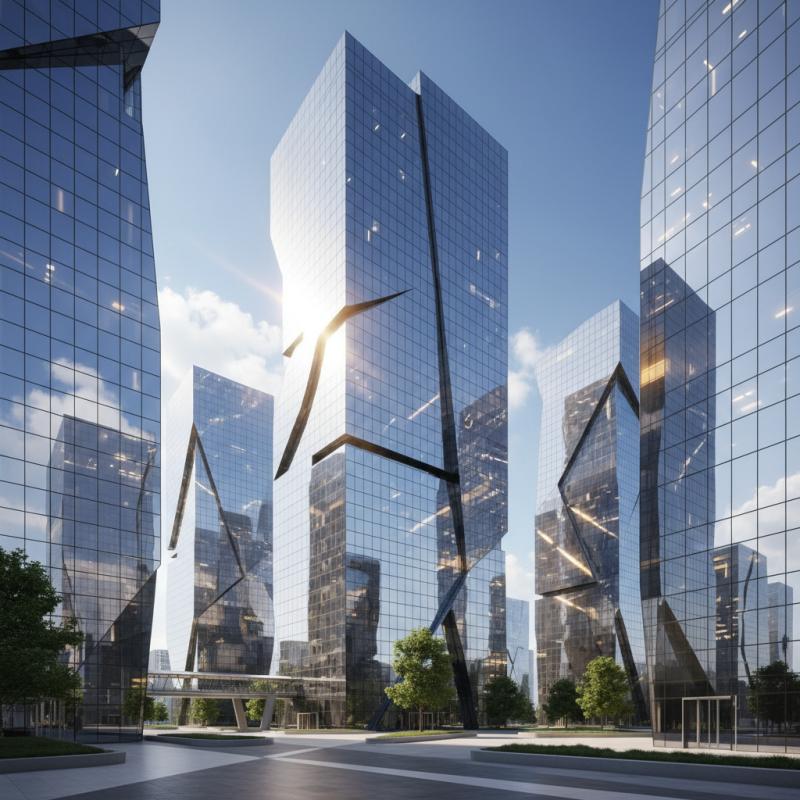
Top Benefits of High Reflective Glass for Modern Architecture?
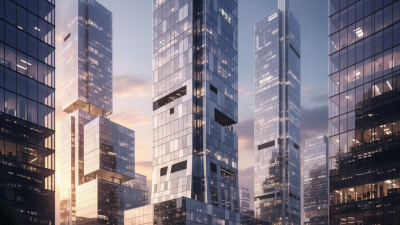
High Reflective Glass has gained significant traction in modern architecture. Architects and builders increasingly prefer this material for its aesthetic and functional advantages. The shimmering surfaces of high reflective glass enhance the beauty of buildings, creating stunning visuals that catch the eye. This material also provides practical benefits, such as improved energy efficiency.
Beyond aesthetics, high reflective glass plays a crucial role in regulating indoor temperatures. It reflects a considerable amount of sunlight, reducing heat gain in warmer months. This quality can lead to lower energy costs and a more sustainable building approach. However, it is essential to consider the challenges associated with glare and visibility. While high reflective glass can enhance a building's elegance, architects must balance these concerns to ensure comfort and safety.
Incorporating high reflective glass in architectural design requires expertise. Knowledge of its properties and potential drawbacks is vital for successful implementation. Awareness of local climates and building regulations will also contribute to the effectiveness of high reflective glass. As modern architecture evolves, the role of materials like high reflective glass will continue to shape the skyline in innovative ways.
Benefits of High Reflective Glass in Energy Efficiency and Cost Savings
High reflective glass offers significant benefits for modern architecture, especially in energy efficiency and cost savings. This type of glass reduces heat absorption from sunlight. It helps maintain a comfortable indoor temperature, reducing reliance on air conditioning. Buildings equipped with high reflective glass can lower cooling costs. The reflective surface prevents excess sunlight from entering, allowing for a more stable climate inside.
Moreover, high reflective glass enhances natural lighting without the negative effects of glare. This feature can lead to reduced electricity consumption during daylight hours. With the right strategic use of this glass, architects can design spaces that are both aesthetically pleasing and energy-efficient. It's impressive how a single material can balance beauty and functionality.
However, achieving the perfect balance isn't always straightforward. Some builders overlook the potential heat build-up in winter. This could lead to higher heating costs if not properly managed. Reflective glass requires thoughtful integration into the overall design. Understanding local climate conditions is essential to maximize its benefits without facing unforeseen drawbacks.
Impact of High Reflective Glass on Indoor Climate Control and Comfort
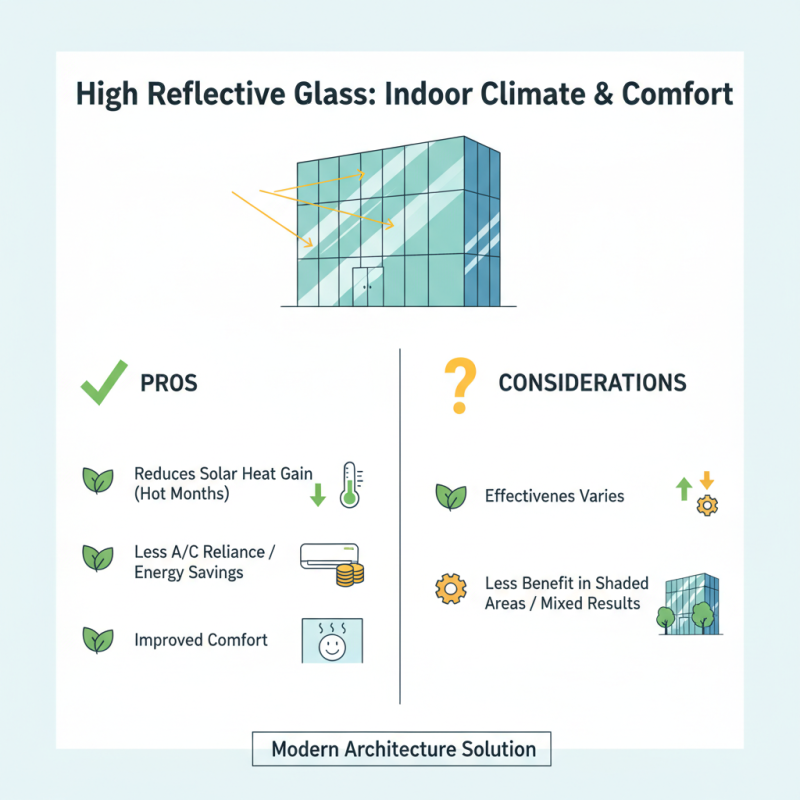
High reflective glass plays a significant role in modern architecture, particularly in indoor climate control. Its reflective properties can significantly minimize solar heat gain during hot months. This means less reliance on air conditioning. However, the effectiveness of this glass can depend on the surrounding environment and orientation of the building. In shaded areas, the benefits might be less pronounced, which leads to mixed results.
In addition to reducing heat, high reflective glass helps maintain indoor comfort. It allows natural light to enter while curbing glare. This balance can promote a more inviting atmosphere. However, some users find that excessive reflection can interfere with views. This potential drawback warrants consideration during design phases.
Moreover, the glass’ impact on energy efficiency is notable. It can lower energy costs, contributing to sustainable solutions. Yet, this technology is not universally applicable. Buildings in colder climates may not benefit as much. Understanding these nuances is crucial for architects and builders. The goal should always be an optimal indoor climate, tailored to specific needs.
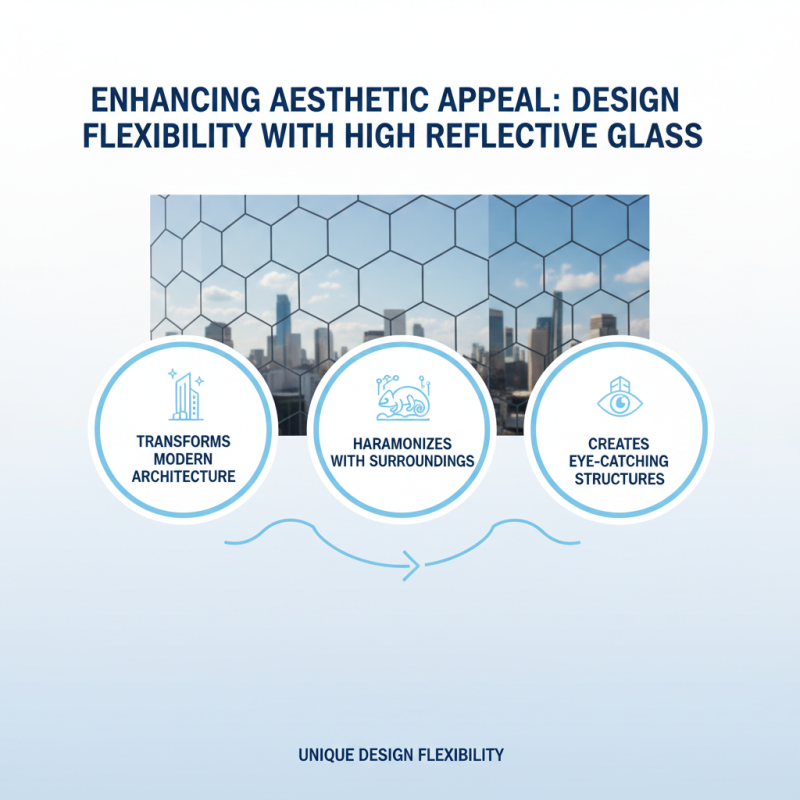
Enhancing Aesthetic Appeal: Design Flexibility with High Reflective Glass
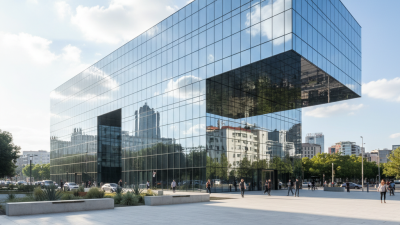
High reflective glass is transforming modern architecture. It offers unique design flexibility that enhances aesthetic appeal. This material allows architects to create stunning buildings that catch the eye. Its reflective quality allows structures to blend with their surroundings, creating a harmonious look.
Using high reflective glass means more than just beauty. It offers practical benefits too. For example, it helps control heat and light, creating comfortable indoor spaces. This energy efficiency is becoming increasingly important in eco-friendly designs. However, architects should consider the orientation of the glass to avoid excessive glare.
While this glass type is visually appealing, it also presents challenges. Careful consideration is required to ensure the right balance between reflection and transparency. A building can appear imposing if not designed thoughtfully. Architects must think about how reflective surfaces interact with the environment and passersby. Every design choice has its pros and cons. This can lead to introspection and a more thoughtful approach to modern architecture.
High Reflective Glass and Its Role in Reducing Urban Heat Islands
High reflective glass has become a vital component in modern architecture. Its ability to reflect sunlight significantly contributes to reducing urban heat islands. When installed on buildings, this type of glass minimizes heat absorption. As a result, the surrounding environment remains cooler, which can have a positive impact on energy consumption.
In densely populated urban areas, temperatures can rise dramatically due to concrete and asphalt. High reflective glass helps combat this by bouncing sunlight away. This feature can lead to lower cooling costs for buildings. Additionally, the reduction in heat can improve comfort levels for residents in the vicinity.
Despite its advantages, there are considerations to weigh. Not all buildings can effectively utilize this glass. For instance, architectural style and location play significant roles. Furthermore, the initial installation costs may be higher. However, the long-term benefits to urban environments and energy savings require careful reflection. The use of high reflective glass represents a step toward more sustainable city living.
Long-term Durability and Maintenance Advantages of High Reflective Glass
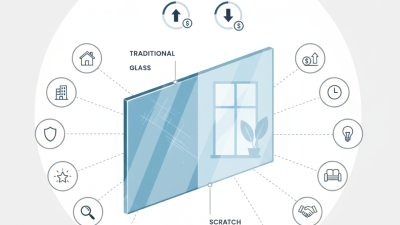
High reflective glass has become popular in modern architecture due to its unique properties. One of its most significant advantages is long-term durability. This type of glass can withstand harsh weather conditions and resist scratches. Its surface reflects sunlight, reducing heat absorption. This leads to lower energy costs and a more comfortable indoor environment.
Maintenance is another crucial aspect of high reflective glass. Its smooth surface makes it easier to clean. Regular maintenance only requires basic care like wiping with a soft cloth. However, over time, acidic rain or pollutants can diminish its reflective quality. Building owners should remain vigilant about upkeep. A proactive approach ensures that the glass maintains its aesthetic appeal and functional benefits.
Choosing high reflective glass is not without its challenges. While its benefits are evident, inappropriate installation can lead to issues. Problems such as condensation or overheating might arise. Architects must consider building orientation and climate. Striving for the right balance can enhance both beauty and utility in iconic structures.
Top Benefits of High Reflective Glass for Modern Architecture
This chart illustrates the top benefits of high reflective glass in modern architecture. Each benefit is rated on a scale of 1 to 10, showcasing the significant advantages such as energy efficiency and aesthetic appeal alongside durability and low maintenance needs.