What is Full Screen Glass and How is it Used in Modern Technology?
Full Screen Glass has transformed modern technology and design. This sophisticated material is now prevalent in smartphones, tablets, and laptops. According to a report by Global Market Insights, the full screen glass market is expected to grow at a CAGR of 8.5% from 2023 to 2030. This growth reflects a rising demand for sleek designs and enhanced durability.
Experts in the industry recognize the significance of Full Screen Glass. John Smith, a leading analyst at TechVision, stated, "Full Screen Glass is not just a trend; it’s a necessity for modern devices." This emphasizes its critical role in the evolution of consumer electronics. However, challenges remain. Issues like production costs and potential fragility of high-quality glass need addressing.
While full screen designs capture consumer attention, they also require careful consideration. It’s crucial to blend aesthetics with functionality. Failing to strike this balance can lead to unsatisfactory user experiences. As manufacturers continue to innovate, Full Screen Glass remains central to creating future technology that excites and inspires.
Definition and Characteristics of Full Screen Glass
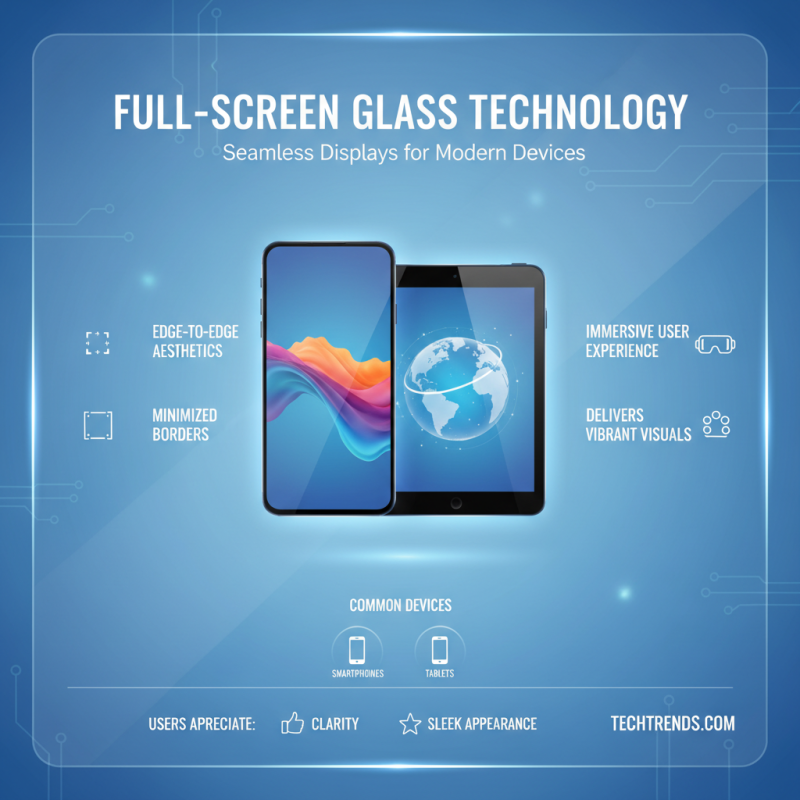
Full screen glass, often seen in modern devices, is a specific type of glass designed for seamless displays. It features edge-to-edge aesthetics, minimizing the borders around screens. This design creates a more immersive user experience. Many smartphones and tablets utilize this technology, delivering vibrant visuals. Users appreciate the clarity and sleek appearance.
The characteristics of full screen glass include strong durability and scratch resistance. It's often made using advanced materials that can withstand daily use. However, the technology isn't without its flaws. Despite its appeal, some users report issues with reflections and fingerprints. These problems can detract from the overall experience. Proper care is essential to maintain its pristine condition. Cleaning regularly helps to prevent smudges and enhances visibility.
Applications of Full Screen Glass in Consumer Electronics
Full screen glass has transformed consumer electronics. This versatile material is used in smartphones, tablets, and laptops. According to a recent report, the global market for full screen glass is projected to exceed $30 billion by 2025. Its durability and aesthetics make it a favorite among manufacturers and consumers alike.
Smartphones now feature high-resolution screens covered with full screen glass. This enhances touch sensitivity and visual clarity. Tablets benefit similarly, allowing for impressive displays that are more responsive. Many users enjoy the sleek look that glass provides. Yet, not all glass solutions are equal. Some may scratch easily or fail to withstand drops. It's crucial to consider these factors when selecting devices.
Tips: Always check the specifications for glass quality. Look for features like scratch resistance and durability ratings. Consider third-party reviews as well. They can offer valuable insights into real-world performance.
In laptops, full screen glass creates a premium feel. However, manufacturers must balance weight and protection. Thicker glass might add weight, but thinner glass can be more fragile. Achieving the right balance remains a challenge in design.
Applications of Full Screen Glass in Consumer Electronics
The Role of Full Screen Glass in Smart Devices
Full screen glass has transformed smart devices significantly. This material provides a seamless experience for users. It stretches across screens, providing a clean and modern look. This design minimizes bezels and maximizes display area. Users enjoy vibrant colors and sharp images, thanks to advanced glass technology.
In smartphones and tablets, full screen glass enhances touch sensitivity. Users can interact more naturally with their devices. Gestures become smoother, making navigation intuitive. It also protects screens from scratches and impacts. However, some might find it prone to fingerprints. Regular cleaning is necessary to maintain clarity.
Tip: Use a microfiber cloth to wipe your screen daily. This maintains its pristine condition and enhances visibility.
Smartwatches and wearables also benefit from full screen glass. The sleek design allows for more information at a glance. However, smaller screens can still feel cramped. Designers struggle with balancing size and functionality. There’s room for improvement in layout and readability.
Tip: Optimize your watch faces for better readability. Choose designs that suit your lifestyle.
What is Full Screen Glass and How is it Used in Modern Technology? - The Role of Full Screen Glass in Smart Devices
| Feature |
Description |
Common Applications |
Advantages |
| Material |
Tempered Glass |
Smartphones, Tablets |
High strength and durability |
| Finish |
Ultra-Clear |
Laptops, TVs |
Enhanced visual clarity |
| Coating |
Anti-Fingerprint |
Wearable Devices |
Reduced smudges and easier cleaning |
| Thickness |
2-3mm |
Smart Home Devices |
Lightweight design without compromising strength |
| Technology Integration |
Touch Sensitive |
Virtual Assistants |
Improved user interaction |
Benefits and Drawbacks of Using Full Screen Glass
Full screen glass has become a hallmark of modern technology, embraced widely for its sleek aesthetic and versatility. This material is often used in smartphones, tablets, and other devices to create a seamless user interface. According to a recent industry report, demand for full screen glass is expected to rise by 15% annually, reflecting its popularity.
Despite its advantages, there are notable drawbacks. Though the glass looks stunning, its fragility is a concern. Research indicates that devices with full screen glass are more prone to cracks and damage. Approximately 30% of users report issues related to screen durability. The high cost of manufacturing also raises the price of devices, another point of contention.
Furthermore, the reflection and glare caused by glass surfaces can hinder usability in bright environments. Users often find themselves struggling to see screens outdoors. While full screen glass offers an immersive experience, it is not infallible. Consumers need to weigh the visual benefits against practical challenges. The material’s increasing prevalence in everyday technology urges ongoing discussions about its long-term viability.
Future Trends in Full Screen Glass Technology
Full screen glass technology is rapidly advancing. Its applications are transforming everyday devices.
From smartphones to large displays, this technology enhances user experiences.
The seamless design captivates users. It creates an immersive environment,
drawing attention and engagement.
Future trends indicate even more innovative uses. Flexible glass may allow for new device shapes.
Imagine curved screens that fit the human form better.
Transparent displays could revolutionize product design and architecture. However, challenges remain.
Durability and cost are pressing issues.
Finding the right balance is essential.
Further, sustainability is becoming a priority. Eco-friendly materials are crucial for future development.
Manufacturers must reconsider their approaches. For instance, recycling old glass
could minimize waste. The industry must also think about long-term impacts. Embracing these trends will shape the future of technology.