10 Essential Tips for Choosing the Best Waterproof Glass for Your Needs?
When it comes to selecting the right waterproof glass, the choices can seem overwhelming. Waterproof glass offers vital protection in various applications, from construction to electronics. The global waterproof glass market is projected to grow at a CAGR of 6.5% between 2021 and 2026, highlighting its increasing importance. However, not all waterproof glass options are created equal.
Understanding your specific needs is crucial. Factors like thickness, clarity, and type of coating can affect performance. For example, improper selection can lead to issues like fogging or pressure resistance failure. Reports show that approximately 40% of consumers regret their choice due to a lack of informed decisions. With so many products available, it’s valuable to assess what features matter most for your project.
In addition, consider the environmental impact and durability of waterproof glass. You should evaluate how these factors align with your values and requirements. Sometimes, the popular choice isn't the best choice for your unique situation. Making an ill-informed decision can lead to costly mistakes down the line. Thus, a careful selection process is essential for achieving the best outcomes.
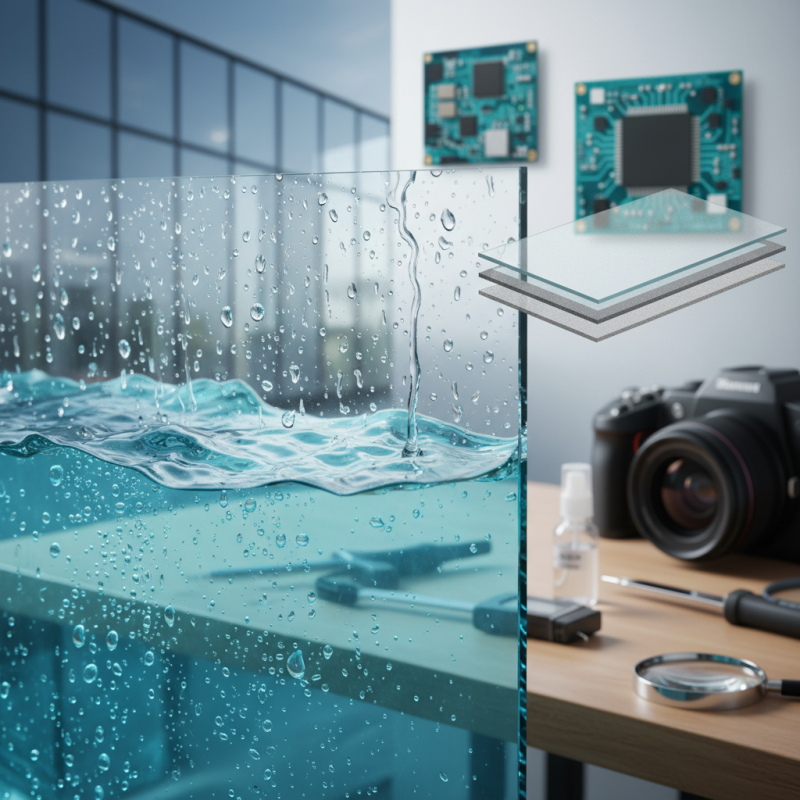
Understanding the Types of Waterproof Glass Available in the Market
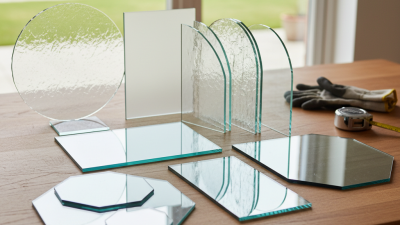
When choosing waterproof glass, understanding the types available is crucial. There are mainly three types: tempered glass, laminated glass, and sealed insulating glass. Tempered glass is strong and resistant to thermal shock. It can withstand high pressure but may shatter into small pieces, which can be a concern for safety. Laminated glass consists of multiple glass layers bonded by a plastic interlayer. This type offers excellent sound insulation and increased security. However, the cost can be higher than other options.
Sealed insulating glass is designed to keep moisture out. It features two or more panes of glass with a gas layer in between. This glass is ideal for windows in wet areas. Nonetheless, if the seal fails, moisture can enter and cloud the glass. Each type has its advantages and disadvantages. For instance, laminated glass provides safety but adds weight to installations. Understanding these trade-offs can guide you to a suitable choice for your environment. Ensure to assess your specific requirements before making a decision.
Assessing Your Specific Needs for Waterproof Glass Selection
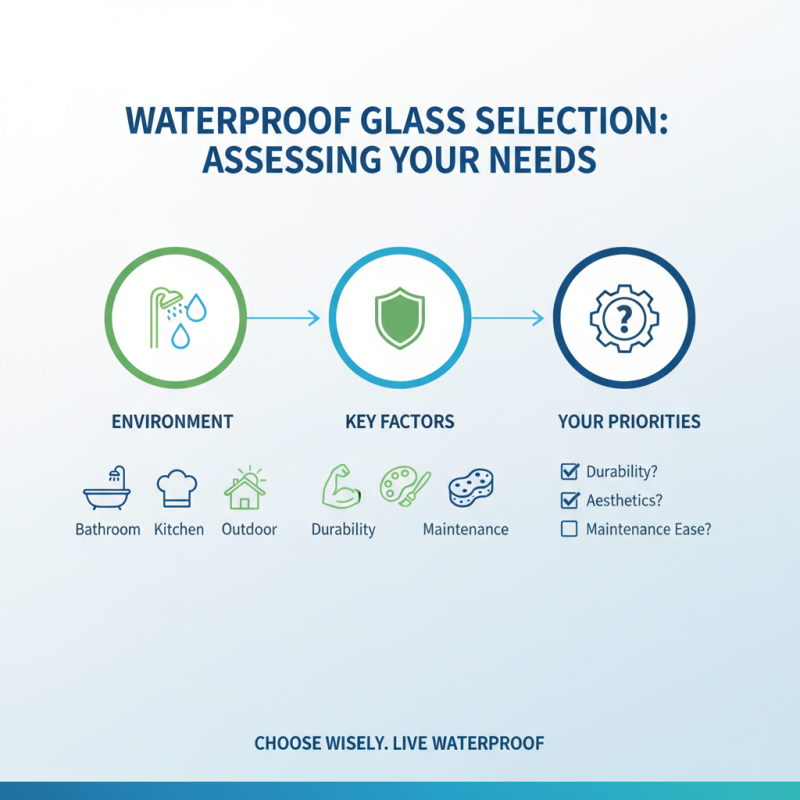
When choosing waterproof glass, assessing your specific needs is crucial. Consider the environment it will be used in. Are you installing it in a bathroom, kitchen, or outdoor area? Each setting has unique demands that influence your choice. Moreover, examine the factors that matter most to you. Is it durability, aesthetics, or ease of maintenance?
One tip is to evaluate the thickness and clarity of the glass. Thicker glass often provides better insulation and withstands impacts better. However, it may also be heavier and harder to install. Another factor is the type of finish. Textured or frosted options can enhance privacy but might be harder to keep clean. You should think about your daily habits. Are you often cleaning water spots, or do you prefer a low-maintenance option?
Lastly, don't ignore budget constraints. Waterproof glass can vary widely in price. Balancing quality and affordability can create some tension. Make a list of your must-haves versus nice-to-haves. Reflect on how these priorities align with your needs; it can clarify your decision-making process.
Key Features to Look for in Quality Waterproof Glass
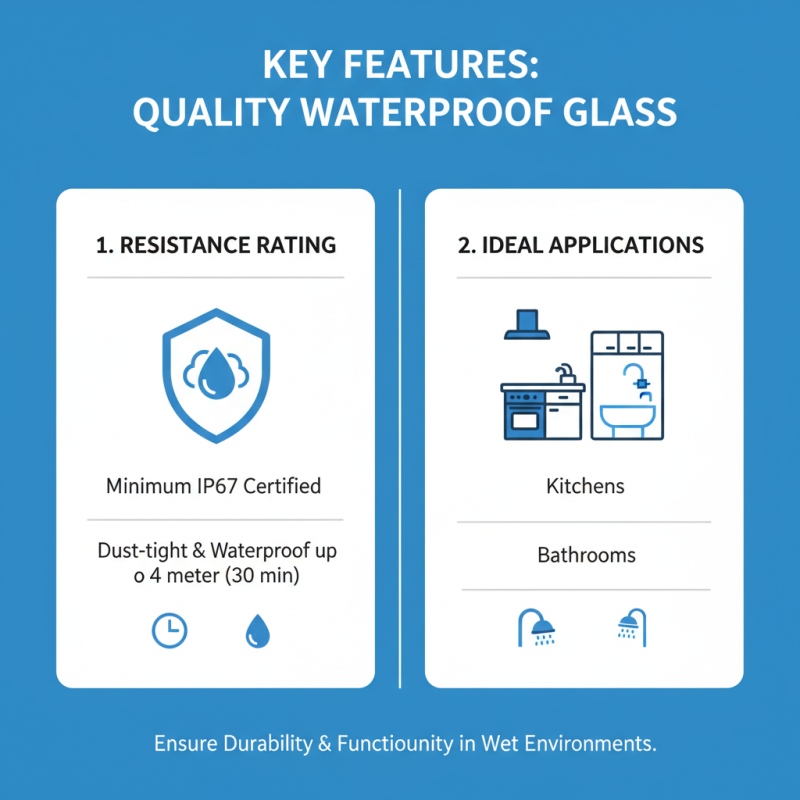
When selecting waterproof glass, focus on key features that ensure durability and functionality. One essential aspect is the glass's resistance rating. Industry reports indicate that glass with a minimum IP67 rating can withstand dust and is waterproof up to 1 meter for 30 minutes. This standard is crucial for applications in wet environments, such as kitchens and bathrooms.
Another important feature is the coating. Anti-reflective and oleophobic coatings enhance visibility and reduce smudging. Research shows that these coatings can improve the lifespan of glass products by up to 25%. Look for glass that has been treated to resist scratches and damage from harsh chemicals. Additionally, consider the thickness of the glass. Thicker glass typically offers better resistance to impacts, but it can increase weight.
Not all waterproof glass is equal. Some may look good but fail in extreme conditions. Users often report issues with fogging and clarity in humid areas. Awareness of these limitations helps in making an informed decision. Choose wisely, as the right waterproof glass can make a significant difference in both aesthetics and practicality.
Comparing Prices and Brands for the Best Value Waterproof Glass
When selecting waterproof glass, brands and prices greatly influence your decision. The market has numerous options, each with distinct features. A recent report from the Glass Association revealed that high-quality waterproof glass products can range from $50 to $200 per square meter. This price variance is often attributed to the brand reputation and the material used.
Moreover, cost doesn't always equal quality. Consumers should consider both UV protection and impact resistance. Some brands offer lower prices but compromise on these vital features. A study indicated that 30% of buyers regretted their purchase after enduring issues with durability. It highlights the importance of comparing multiple options and reading reviews.
Additionally, industry data shows that specific features, like anti-fog coatings, can increase the price by 20%. It's worth examining if those features are necessary for your circumstances. Sometimes, spending less for non-essential features can be a smarter choice. Reflecting on your actual needs might lead you to a more cost-effective solution without sacrificing quality.
Comparison of Waterproof Glass Features
Maintenance Tips for Prolonging the Life of Your Waterproof Glass
Proper maintenance of your waterproof glass is key to its longevity. Regular cleaning is crucial. Use a soft cloth and mild soap. Avoid abrasive cleaners, as they can scratch the surface. Make sure to rinse thoroughly after cleaning. Water spots can be stubborn, but they are manageable with proper care. A simple solution of vinegar and water can help remove these spots effectively.
Storing your waterproof glass wisely is also essential. Avoid placing heavy objects on it, as this can cause cracks or chips. If possible, use a dedicated storage area to protect it from accidental damage. Consider a protective case for travel. Even small drops can lead to costly repairs or replacements. Remember to check for any signs of wear and tear. Staying proactive in maintenance will save you headaches later on. Adjustments might be needed as wear increases, so keep an eye out.