2026 How to Choose the Best Full Screen Glass for Your Device?
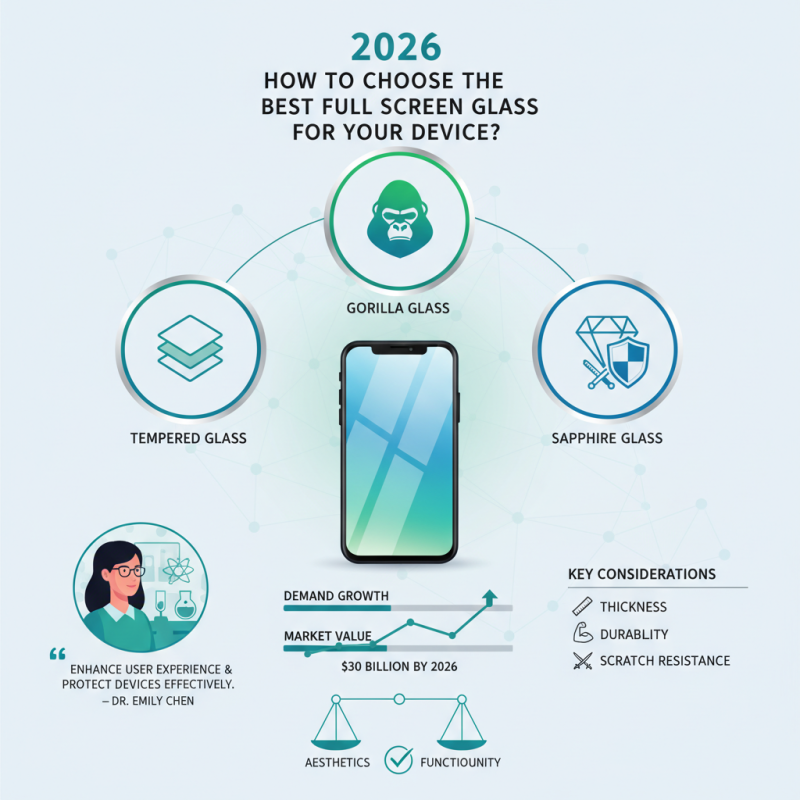
The demand for Full Screen Glass has grown significantly, driven by the rise of sleek, modern devices. According to a report by MarketsandMarkets, the global market for smartphone screens is projected to reach $30 billion by 2026. This surge emphasizes the importance of choosing the right Full Screen Glass for your device.
Expert in the field, Dr. Emily Chen, states, “Selecting the right Full Screen Glass can enhance user experience and protect devices effectively.” Her insights underscore the necessity of understanding different types of glass available today. Not every glass is created equal; variations in thickness, durability, and scratch resistance can greatly affect performance.
When navigating your options, consider not just aesthetics, but also functionality. Many users overlook the distinctions between tempered, gorilla, and sapphire glass, leading to suboptimal choices. A well-informed decision can prolong the lifespan of your device while maximizing visual clarity. Reflecting on these aspects will ensure that your investment meets both your needs and expectations.
Choosing the Right Full Screen Glass: Understanding Material Types
Choosing the right full screen glass involves understanding the material types available. This is key for device protection. Tempered glass is the most popular choice. It's known for its high strength and scratch resistance. According to industry reports, tempered glass can withstand extreme impacts. This glass is more durable than standard glass, making it a reliable option for daily use.
Another material to consider is polymer. While it may not offer the same level of protection as tempered glass, it has its advantages. Polymer is lightweight and flexible. It can absorb shock without shattering. This feature is crucial for those prone to dropping their devices often. However, polymer can exhibit wear and tear quicker than tempered glass. Users may notice scratches over time.
ACCORDING TO A STUDY, 40% of screen damage comes from drops. This data emphasizes the need for quality materials. Lower-quality options can fail during accidents. Investing in the right full screen glass protects your device and enhances its longevity. Balancing durability and weight can be tough. Each material has its pros and cons. Reflecting on personal needs and usage is essential for the best choice.
Durability and Strength: Analyzing Glass Specifications and Ratings
When selecting a full screen glass for your device, durability and strength are paramount. Understanding the specifications can guide your choice effectively. Look for materials like Gorilla Glass or similar options, known for their scratch resistance and impact strength. These glasses often have specific ratings, like the Mohs scale, which indicates their hardness. A higher rating means better durability.
Tips: Always check user reviews for real-world experiences. Ratings can be misleading. Consider how you use your device daily. Heavy users may prefer thicker or multi-layered glasses.
Not all glass is created equal. Some manufacturers may exaggerate strength claims. Confirm the glass has undergone rigorous testing. Certifications can indicate quality. Look for glasses that specify shock resistance or military-grade protection.
Tips: Pay attention to warranty options. A solid warranty often reflects manufacturer confidence. Reflect on your needs. Will your lifestyle put the glass to the test? Choose accordingly, as durability is only one aspect of performance.
Impact Resistance: Importance of Gorilla Glass vs. Other Options
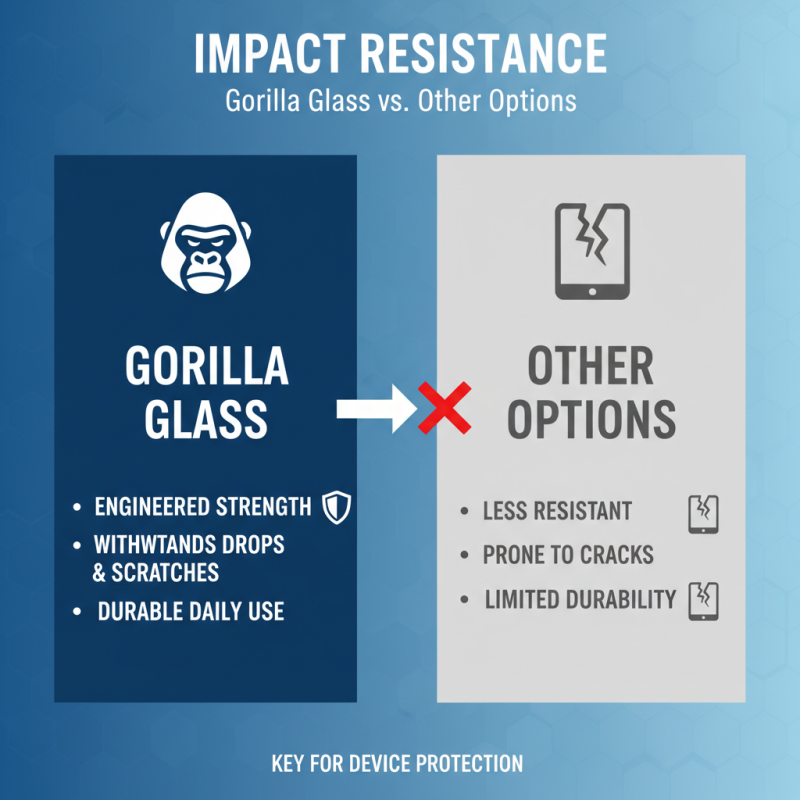
When selecting full-screen glass for your device, impact resistance is paramount. Some materials like Gorilla Glass are engineered to withstand significant drops and scratches. The toughened composition allows it to endure daily wear and tear, making it a popular choice.
Other options may offer decent protection, but they often fall short in comparison. For example, standard glass or softer alternatives might shatter easily. This could lead to costly repairs or replacements. It's essential to consider how you use your device. If it's frequently dropped or placed in your pocket with keys, you need robust protection.
However, not all impact-resistant glasses are created equal. Some may be too thick, affecting touch sensitivity. Others might not provide proper clarity, impacting your viewing experience. It's crucial to research different choices carefully. Read reviews and compare features. Balance between durability and performance should guide your decision.
Screen Clarity: Evaluating Optical Quality and Reflection Properties
When choosing a full screen glass for your device, optical quality is crucial. High-quality glass enhances screen clarity and protects your view. Reflection properties play a significant role in your visual experience. A glass with high transparency ensures that colors appear vibrant. However, it may also reflect a lot of light, creating glare. This can make it hard to see in bright sunlight.
Tips: Look for anti-reflective coatings. They help reduce glare and improve visibility outdoors. Some glasses even offer blue light filtering. This feature can protect your eyes during extended use.
Evaluate the glass by holding it up to bright light. Notice how it performs under different conditions. Good optical quality should minimize distortion. Imperfections in the surface can lead to frustrating viewing experiences. So, examine carefully before making a decision.
Screen Clarity: Evaluating Optical Quality and Reflection Properties
This chart evaluates different quality metrics important for full-screen glass devices, including clarity rating, reflection level, durability, and user satisfaction. The values represent percentage scores on a scale from 0 to 100, indicating how well each metric performs in ensuring optimal screen visibility and usability.
Installation Methods: Comparing DIY vs. Professional Applications
When choosing a full screen glass for your device, installation is a crucial factor. You can opt for DIY methods or professional services. Each option comes with its pros and cons.
DIY installations can be appealing due to cost efficiency. However, they require attention to detail. Misalignment or bubbles can ruin the aesthetics. While you might save money, it's essential to consider your skill level. Take your time to follow the instructions closely.
Professionals provide expertise that can guarantee a perfect fit. They use specialized tools that ensure precision. This option might be pricier, but it often leads to successful applications. Trusting an expert can remove the risk of installation errors.
Tips: Don’t rush the installation process. Patience is key for a smooth finish. If uncertain, consult a professional. It can save you time and hassle in the long run. Assess both options carefully to maximize the lifespan of your full screen glass.
2026 How to Choose the Best Full Screen Glass for Your Device? - Installation Methods: Comparing DIY vs. Professional Applications
| Aspect |
DIY Installation |
Professional Installation |
| Cost |
$20 - $50 |
$80 - $150 |
| Time Required |
30 - 60 minutes |
15 - 30 minutes |
| Skill Level Required |
Basic |
Advanced |
| Risk of Damage |
High |
Low |
| Warranty |
None |
Includes warranty |
| Satisfaction Rate |
75% |
90% |