Why Choose High Reflective Glass for Your Next Project?
When embarking on a construction project, choosing the right materials is crucial. High Reflective Glass stands out as a top option due to its unique benefits. This glass has the ability to reflect sunlight effectively, helping to control indoor temperatures. The reflective properties minimize heat gain, which can lead to significant energy savings.
The sparkle and clarity of High Reflective Glass also enhance the aesthetic appeal of buildings. Its sleek finish not only looks modern but also complements various architectural styles. This versatility can benefit both residential and commercial projects. However, one must consider the installation challenges. Proper installation is essential to maximize the performance of this glass.
Another point to reflect upon is its cost. While High Reflective Glass may be more expensive upfront, the long-term benefits often outweigh initial expenses. In essence, integrating High Reflective Glass into your project may enhance energy efficiency, aesthetics, and overall value. It presents a worthwhile investment as you design spaces that are both functional and visually appealing.
Benefits of High Reflective Glass in Modern Architecture
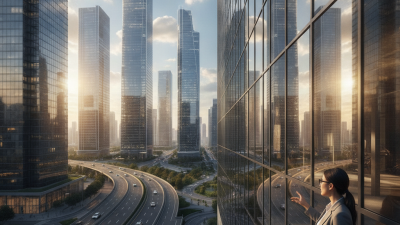
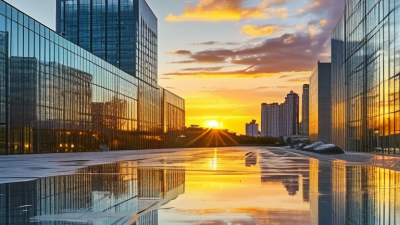
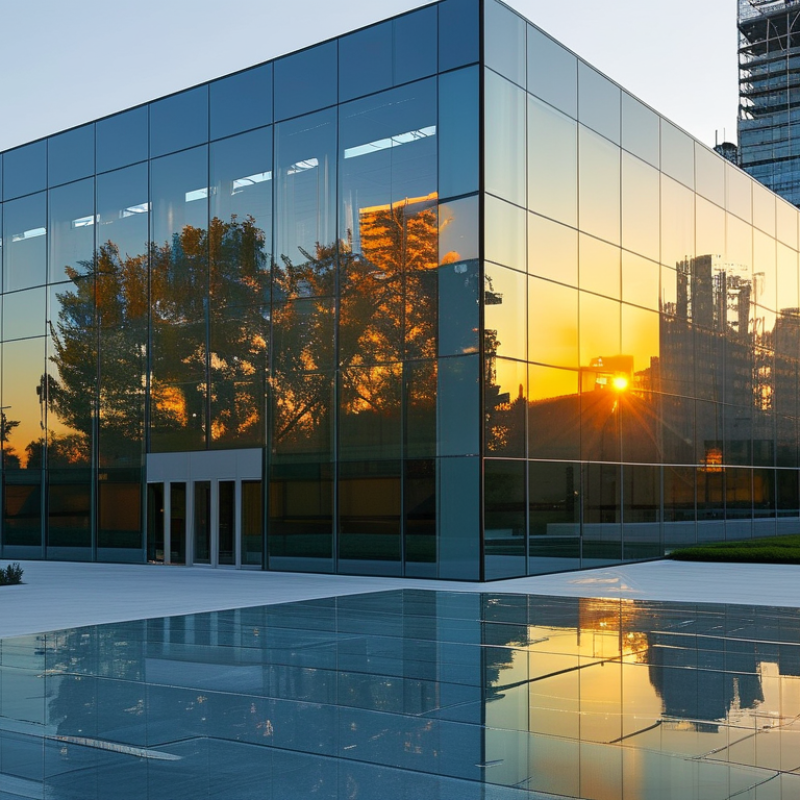
High reflective glass is increasingly popular in modern architecture. Its ability to reflect light creates stunning visual effects. This feature can enhance the aesthetics of buildings. Skylines transformed by gleaming surfaces capture the sun beautifully. Light reflects off these glasses, brightening interiors while reducing reliance on artificial lighting.
The energy efficiency of high reflective glass should not be overlooked. It helps maintain comfortable interior temperatures. This reduces the demand for heating and cooling systems. In hot climates, it minimizes heat gain significantly. This can lead to considerable cost savings over time. The durability of high reflective glass also stands out. It withstands harsh weather conditions better than other materials.
However, there are challenges. High reflective glass can cause glare issues. This might affect nearby buildings or environment. Proper placement is crucial during the design process. Architects must consider these aspects carefully to avoid problems. Balancing aesthetics and functionality ensures the best results. Thoughtful selection leads to a harmonious integration of modern architecture and nature.
Energy Efficiency and Cost Savings with Reflective Glass
High reflective glass is a smart choice for modern architecture. It enhances energy efficiency significantly. According to the U.S. Department of Energy, using reflective glass can reduce cooling costs by up to 30%. This is crucial in reducing overall energy consumption, especially in hot climates. Buildings equipped with high reflective glass also maintain stable indoor temperatures, leading to increased comfort for occupants.
Cost savings extend beyond just energy. A study from the National Renewable Energy Laboratory indicates that structures using reflective glass can see a reduction in HVAC maintenance costs. These savings can be attributed to the lowered strain on cooling systems. However, it’s important to consider the initial investment. High reflective glass can be more expensive than standard options. This upfront cost is often offset by long-term savings and potential tax incentives for energy-efficient buildings.
Applications of reflective glass provide varying levels of performance. Some types reflect over 60% of solar radiation. While this significantly decreases heat gain, it may also alter the aesthetics of a building. Architects and builders must weigh these benefits against potential visual impacts. It’s essential to consult with experts to find the right balance for specific projects. Making informed choices leads to optimal results in both energy efficiency and cost effectiveness.
Enhancing Aesthetic Appeal through High Reflective Glass
High reflective glass brings a unique touch to any project. Its shiny finish enhances the aesthetic appeal of buildings. This type of glass reflects light beautifully, creating dynamic visual effects. It can transform ordinary facades into stunning architectural statements. By choosing high reflective glass, designers can achieve a contemporary feel while improving energy efficiency.
When considering high reflective glass, think about your environment. It works well in urban settings where sunlight is abundant. However, in residential areas, the bright reflection might be unsettling for neighbors. Choose the right tint or finish to balance aesthetic and comfort.
In incorporating high reflective glass requires careful planning. Ensure your design accommodates potential glare. This glass can amplify sunlight, affecting indoor temperatures. Use shades or awnings creatively to mitigate glare and heat. It’s essential to review how this material interacts with surrounding structures. An informed choice will elevate your project’s overall success.
Durability and Maintenance Considerations for Reflective Glass
High reflective glass is increasingly popular in modern architecture. Its durability and low maintenance make it an excellent choice for various projects. According to the Glass Association, reflective glass can withstand harsh weather conditions, reducing the need for frequent replacements. This feature is essential for high-rise buildings, where maintenance can be challenging and costly.
In terms of maintenance, reflective glass requires less frequent cleaning compared to regular glass. This aspect is vital for high-traffic areas and commercial properties. A study by the National Association of Home Builders reveals that buildings using reflective materials can save up to 30% on cleaning costs. However, it is important to consider that dirt and grime may accumulate more visibly on darker reflective surfaces. Choosing the right color can help mitigate this issue.
When selecting high reflective glass, consider its thermal efficiency. Using such glass can lead to lower energy bills, decreasing operational costs over time. However, optical properties, such as glare, might be a concern in certain environments. This potential drawback requires thorough evaluation before implementation. A careful analysis can ensure the best choice for long-lasting and efficient glass solutions.
Applications of High Reflective Glass in Various Construction Projects
High reflective glass has gained traction in the construction industry due to its unique properties. It effectively minimizes heat absorption, making it ideal for commercial buildings. According to a recent report by the Glass Association, reflective glass can reduce energy consumption by up to 30% in large buildings. This reduction not only lowers operational costs but also assists in meeting green building standards.
Applications of high reflective glass extend beyond aesthetics. It is increasingly used in skyscrapers, shopping malls, and office complexes. One notable feature is its ability to reflect UV rays, protecting both occupants and interiors from harmful exposure. Research indicates that buildings with high reflective glass can achieve a significant decrease in interior temperature, improving comfort levels for occupants. However, a common oversight is the potential visual discomfort caused by glare in certain environments.
While high reflective glass offers many advantages, it also presents challenges. Construction teams must consider local climates and building orientations to maximize benefits while minimizing issues. The risk of over-reflection, particularly in urban settings, can affect surrounding structures. These factors highlight the importance of thorough planning and expert consultation during the selection process.
Why Choose High Reflective Glass for Your Next Project?
| Application |
Benefits |
Common Use Cases |
Impact on Energy Efficiency |
| Commercial Buildings |
Reduces heat absorption and glare |
Office towers, Retail spaces |
Improves HVAC efficiency |
| Residential Homes |
Enhanced aesthetic appeal |
Single-family homes, Condominiums |
Reduces heating and cooling costs |
| Hotels & Resorts |
Increased natural light without excessive heat |
Luxury hotels, Beach resorts |
Enhances guest comfort and lowers energy use |
| Healthcare Facilities |
Promotes healing with natural light |
Hospitals, Clinics |
Decreases energy consumption |