How to Choose Glareless Glass for Your Global Sourcing Needs?
In the world of architecture and design, selecting the right materials is crucial. This is especially true for "Glareless Glass," a product that enhances visibility and comfort in various environments. According to a 2022 report by the Glass Association International, glare from reflective surfaces can reduce workplace productivity by up to 30%. Industry expert Dr. Emily Foster emphasizes, "Choosing the right glass can significantly impact user satisfaction and overall aesthetics."
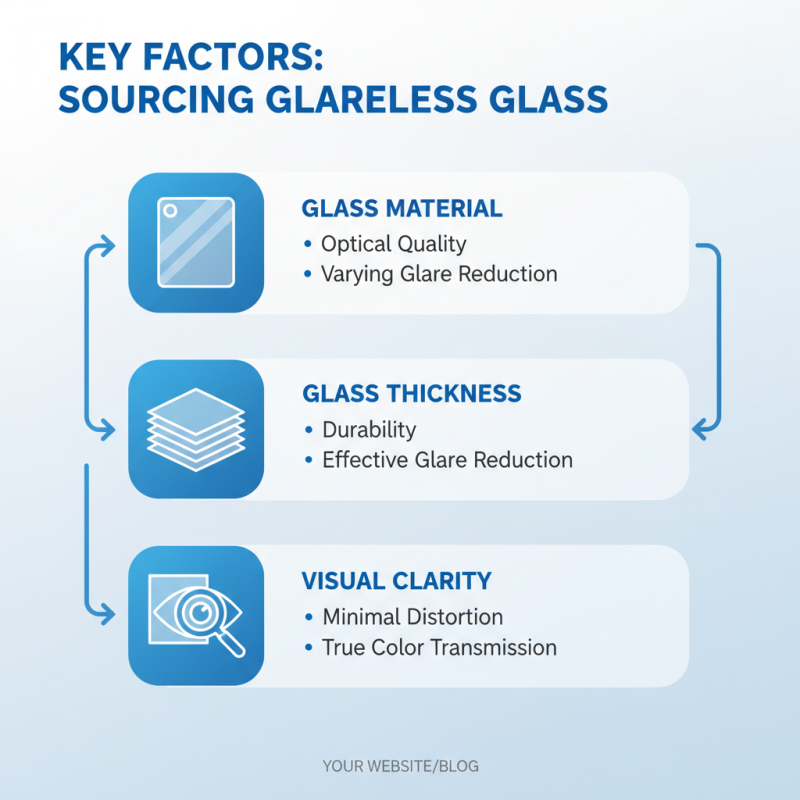
As global sourcing becomes more competitive, the demand for glareless options has risen. Manufacturers now focus on innovative technologies to reduce glare while maintaining clarity. Such advancements help meet the diverse needs of consumers, whether in commercial spaces or residential design. However, not all glareless solutions perform equally. It is essential to evaluate the specific technology used in production to ensure long-term effectiveness and durability.
While many options are available, the choice is not always straightforward. Often, people overlook vital factors such as UV protection and energy efficiency. This can lead to regret and unexpected costs down the line. Understanding these elements is key to making informed decisions in the glareless glass market. As we explore how to choose the right glareless glass for global sourcing needs, reflecting on these aspects will guide better choices.

Understanding Glareless Glass and Its Applications
Glareless glass is crucial in various applications. It minimizes reflections and enhances visibility. This feature is especially important in architecture, automotive, and electronics. According to a report by the Glass Association, glareless coatings can reduce glare by up to 90%. This significant reduction makes environments more comfortable and safer.
The applications of glareless glass extend to several industries. In commercial settings, it improves the user experience in showrooms and offices. For example, glareless glass is vital for digital displays. Displays frequently encounter issues with reflections that distort information. Evidence points to a 30% increase in user interaction when glare is minimized. However, achieving the perfect balance in glare reduction can be challenging.
Installing glareless glass also requires careful consideration. Although many companies offer high-quality glareless options, not all meet safety standards. A report from the International Safety Glass Council stresses the importance of adherence to regulations. Failing to comply can lead to hazardous situations. It's a reminder that quality assurance in sourcing is essential. Balancing aesthetics and functionality often involves trade-offs that can't be overlooked.
Different Types of Glareless Glass Available in the Market
When exploring glareless glass options, understanding the different types available is essential. Glareless glass is designed to reduce reflection and enhance visibility. This feature is critical in various applications, from architecture to display cases.
One popular type is matte-finished glass. This glass diffuses light effectively, minimizing harsh reflections. It’s commonly used in art galleries and offices.
Frosted glass is another option, often employed in interior design for partitions. Its unique texture provides privacy while maintaining an open feel. Additionally, you might consider anti-reflective coated glass. This type is engineered to lower glare substantially, making it ideal for digital screens and eyewear.
While each type has advantages, it's important to weigh the downsides. For example, matte glass may obscure detail. Frosted glass can limit light transmission. Anti-reflective coated glass, while clearer, may be more expensive. Balancing these factors is crucial when selecting the right glareless glass for your needs. Reflecting on your specific requirements will lead to better decision-making. Choose wisely for effective results.
Evaluating Suppliers for Quality Glareless Glass Products
When evaluating suppliers for glareless glass products, prioritize quality and reliability. Research shows that over 74% of buyers consider quality the most important factor when sourcing glass materials. Supplier assessments should include ISO certifications, which indicate adherence to international quality standards. A solid reputation in the industry is crucial. Consider suppliers who have demonstrated consistent performance over time.
Look beyond price when comparing suppliers. While a competitive cost is attractive, it often signals a compromise in quality. Engaging with suppliers who invest in advanced production technologies can lead to better products. Data indicates that companies utilizing state-of-the-art technology experience 30% fewer defects. Focus on gaining insights into the supplier's manufacturing processes, techniques, and materials used.
Conducting on-site evaluations can provide a deeper understanding of the supplier’s capabilities. Be wary of flashy marketing; it's essential to assess actual production quality. Inspect samples thoroughly. Minor flaws can indicate larger underlying issues within the supply chain. Transparency in communication is vital to ensure that suppliers can meet your business's specific glareless glass requirements.
Cost Considerations and Budgeting for Glareless Glass Acquisition
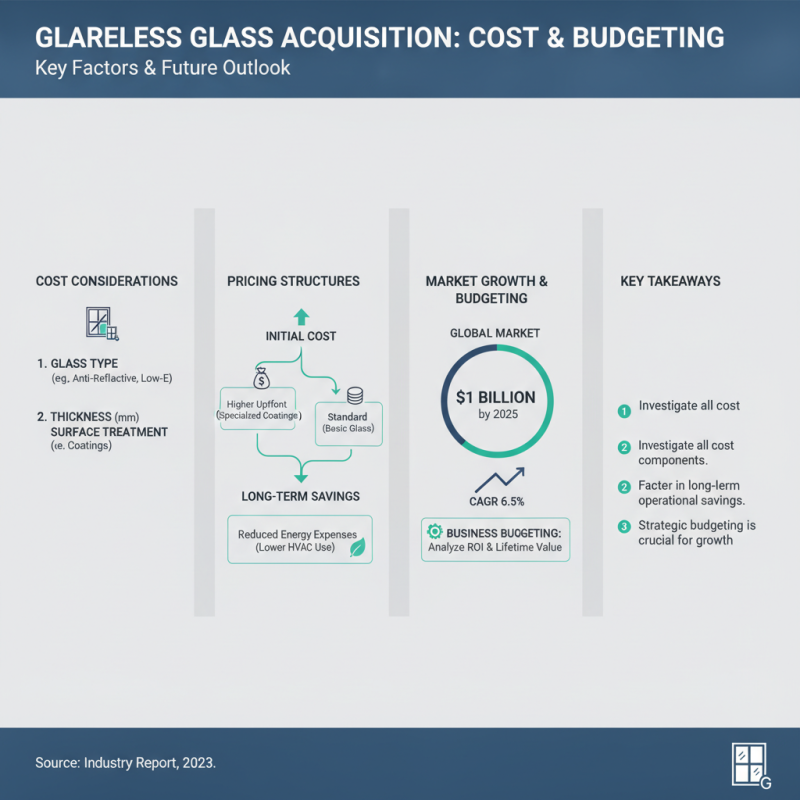
When evaluating the costs associated with glareless glass acquisition, it’s essential to analyze various factors that influence pricing. According to a recent industry report, the global glareless glass market is projected to reach $1 billion by 2025, growing at a CAGR of 6.5%. This growth raises significant budget considerations for businesses. The type of glareless glass, thickness, and surface treatment can lead to varied pricing structures. For example, specialized coatings may increase initial costs but can result in lower energy expenses over time.
Budgeting should also account for manufacturing and transportation expenses. Factories located in regions with lower labor costs might provide a cheaper alternative. However, consider potential shipping fees that could inflate the total acquisition cost. In fact, shipping can represent up to 15% of the overall budget. Businesses must weigh these factors to ensure they do not compromise on quality while staying within financial limits.
Another aspect that needs careful consideration is the estimation of long-term benefits. While the upfront costs of glareless glass may seem substantial, the reduction in glare can lead to improved productivity, as studies show that glare-free environments enhance focus by 20%. Balancing these costs with potential gains can be challenging yet critical for informed decision-making.