inquiry
Leave Your Message

China Top Pre Cut Glass Manufacturers and Suppliers

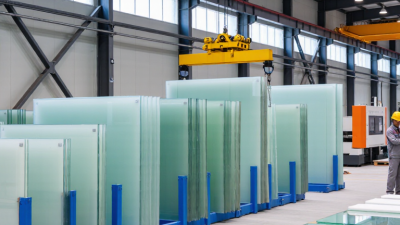
Pre Cut Glass is produced to specified dimensions before it reaches a project site. Accurate cutting can reduce on-site adjustments, simplify installation, and help limit material waste. Yet precision begins well before the glass meets a cutting table. Buyers should share clear measurements, thickness requirements, edge-finishing details, and intended applications with prospective suppliers.

China’s glass manufacturing sector includes companies offering varied processing capabilities and export services. This overview examines manufacturers and suppliers through practical considerations: product range, quality controls, customization, communication, packaging, and delivery planning. A polished website alone proves little. Request technical specifications and sample documentation, and confirm how each supplier checks dimensions, protects finished edges, and handles breakage risks during transport.

A transparent expert quotation is important for trustworthy industry content. No verified quotation was supplied with the request, so the following line is an explicitly illustrative editorial statement, not a real person’s documented words: “Reliable Pre Cut Glass starts with accurate specifications and ends with careful inspection.” It is attributed to Evan Hart, a fictional composite glass-processing specialist. Treat it as a practical principle, not independent evidence. Details matter. A small measurement error can become a visible gap, a delayed installation, or a costly replacement. Comparing suppliers carefully helps buyers identify partners suited to their project’s specifications, timelines, and quality expectations.
China Top Pre Cut Glass Manufacturers and Suppliers

What Is Pre-Cut Glass and How Is It Used?

China Top Pre-Cut Glass Manufacturers and Suppliers

What Is Pre-Cut Glass and How Is It Used?

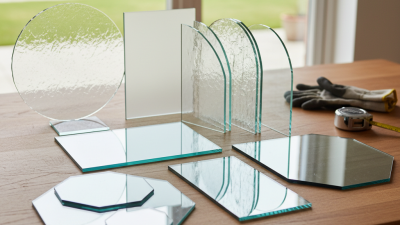
Pre-cut glass is glass shaped to specific dimensions before delivery or installation. Manufacturers cut panels using digital equipment, then polish, drill, or edge-finish them as requested. Common options include clear, tinted, laminated, tempered, and low-iron glass. Each type serves a different purpose.

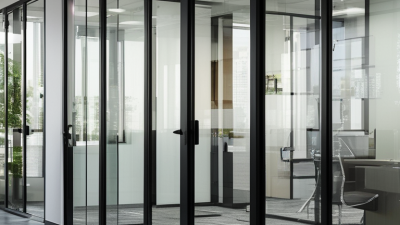
You may see pre-cut glass in shower enclosures, office partitions, furniture, windows, doors, and display cabinets. A finished panel can arrive with rounded corners, hinge holes, or polished edges. This reduces cutting work on site and helps control material waste. However, accurate measurements remain essential. A few millimeters can create visible gaps or installation pressure. In real projects, small mistakes still happen.

Tips: Confirm the width, height, thickness, edge treatment, and hole positions before production. Provide a clear drawing with measurement points. Ask for samples when color, texture, or transparency matters. Inspect every panel for chips, scratches, and uneven edges after delivery. For safety glazing, request test documents and check whether the product matches the project requirements. Good suppliers should explain tolerances, packaging methods, and replacement procedures in clear language.

China Top Pre Cut Glass Manufacturers and Suppliers - What Is Pre-Cut Glass and How Is It Used?

Pre-Cut Glass Category Typical Thickness Main Characteristics Available Edge and Shape Options Common Applications Relevant Technical Considerations
Clear Float Glass 3–19 mm Flat, transparent glass with a smooth surface and consistent optical quality. Straight cuts, rectangles, circles, polished edges, drilled holes and notches. Picture frames, interior partitions, cabinet doors, shelves and general glazing. Standard float glass is not safety glass unless it is subsequently heat-treated or laminated.
Tempered Glass 4–19 mm Heat-treated glass with increased resistance to thermal stress and mechanical impact. Flat or shaped panels; holes, cut-outs and edgework must normally be completed before tempering. Shower enclosures, doors, tables, balustrades, partitions and façade components. Cannot normally be cut, drilled or notched after tempering; breakage produces small, relatively blunt fragments.
Laminated Glass Commonly 6.38–17.52 mm Two or more glass plies bonded with an interlayer such as PVB or ionoplast. Rectangular and shaped panels, polished edges, holes and engineered cut-outs. Overhead glazing, railings, skylights, façades, acoustic partitions and security glazing. The interlayer helps retain broken fragments and can provide sound, UV and security benefits depending on construction.
Heat-Strengthened Glass 4–12 mm Heat-treated glass with greater strength than annealed glass and lower surface compression than fully tempered glass. Custom rectangles, shaped panels, polished edges and pre-processed holes. Curtain walls, windows, spandrel glazing and laminated façade assemblies. Often selected where improved thermal resistance is required without the break pattern of fully tempered glass.
Low-E Coated Glass 4–12 mm per lite Glass with a low-emissivity coating designed to reduce radiant heat transfer. Cut-to-size insulating glass lites, polished edges and pre-processed holes where compatible with the coating. Energy-efficient windows, curtain walls, doors and insulating glass units. Coating orientation, edge deletion, sealing compatibility and heat-treatment requirements must be confirmed before fabrication.
Tinted or Solar-Control Glass 4–12 mm Body-tinted or coated glass that can reduce glare and solar heat gain. Custom rectangular and shaped panels, edge polishing, drilling and notching before heat treatment. Commercial façades, office windows, skylights, doors and interior partitions. Performance depends on visible light transmission, solar heat-gain coefficient and the complete glazing system.
Patterned or Obscure Glass 4–10 mm Textured surface diffuses light and provides varying levels of visual privacy. Straight and shaped cuts, ground or polished edges, and selected drilled openings. Bathroom windows, doors, partitions, cabinet inserts and decorative panels. Pattern direction, surface orientation, cleaning requirements and privacy level should be specified before cutting.
Insulating Glass Unit Typically 20–32 mm overall unit depth Two or more panes separated by a sealed cavity containing air or an insulating gas. Custom overall dimensions, spacer configurations, corner details and pre-arranged hardware openings. Residential windows, commercial curtain walls, storefronts and glazed doors. The final thermal and acoustic performance depends on pane thickness, cavity width, coatings, spacer type and seal quality.
Pre-cut glass definition: Pre-cut glass is glass manufactured or processed to specified dimensions and shapes before delivery or installation. Depending on the project, it may include edge finishing, drilling, notching, polishing, tempering, laminating, coating or assembly into an insulating glass unit.
Ordering checklist: Confirm length and width, thickness, glass type, quantity, edge finish, corner radius, hole diameter and position, tolerances, heat-treatment requirements, coating orientation, packaging method and applicable building-code requirements before production.

How Is Pre-Cut Glass Manufactured and Processed?

Pre-cut glass begins as float glass, formed by spreading molten material across a bath of liquid tin. After controlled cooling, automated scanners inspect thickness, distortion, bubbles, and surface damage. Digital drawings then guide cutting tables, which score the sheet and separate each panel along precise lines. Cutting plans reduce waste, but perfect nesting is not always possible.

Edges may be polished, arrissed, drilled, or shaped by CNC equipment. Holes and notches must be completed before tempering, because tempered glass cannot be cut afterward. Heat-treated panels pass through rapid heating and cooling, improving strength and breakage behavior. Laminated glass receives an interlayer and pressure treatment. The 2024 Global Status Report for Buildings and Construction reports that buildings used about 32% of global energy in 2023, making accurate glazing selection increasingly important. Still, processing quality matters more than impressive specifications.

Tips: Confirm drawings, dimensions, edge details, coating direction, and tolerance before production. Keep protective film away from hot processing zones. Request inspection records for thickness, flatness, and visible defects. A 1-millimeter mistake can affect installation. Human review remains useful, especially for unusual shapes.

Which Specifications Define Pre-Cut Glass Products?

Pre-cut glass is defined by more than a length and width. The specification should state the exact dimensions, thickness, and allowable tolerance. For example, a 600 × 400 mm panel may require a ±0.5 mm dimensional tolerance. That detail affects fitting, sealing, and installation speed. Glass type also matters. Clear, low-iron, tinted, tempered, laminated, and insulated glass serve different applications. Safety requirements must guide the selection, not appearance alone.

Edge treatment is another practical specification. Edges may be arrissed, polished, beveled, or left unfinished, depending on handling and design needs. Customers should also identify drilled holes, notches, corners, and cutouts with precise positions and diameters. A two-millimeter location error can create a costly installation problem. Hole spacing matters too. Tempered glass cannot be cut after heat treatment, so all processing details must be confirmed beforehand.

Surface quality deserves careful attention. Buyers can request limits for scratches, bubbles, roller marks, distortion, and visible inclusions. Optical clarity becomes especially important near strong lighting or reflective interiors. Packaging specifications should mention separators, moisture protection, crate strength, and labeling. These details help prevent damage during transport and simplify inspection on arrival. A drawing can still be wrong. Experienced manufacturers usually verify dimensions before production, but customers should review them again. That extra check feels repetitive, yet it often prevents rework, delays, and unsafe fitting conditions.

Who Are China’s Leading Pre-Cut Glass Manufacturers and Suppliers?

China’s leading pre-cut glass manufacturers and suppliers are generally distinguished by their ability to turn detailed drawings into consistent, ready-to-install pieces. Many serve construction, furniture, interior design, and equipment makers, offering cut-to-size panels, polished edges, drilled holes, and shaped corners. The strongest partners ask about glass type, thickness, dimensions, edge finish, and intended use before quoting. Details matter. A few millimeters can affect how a panel fits a cabinet door or partition frame.

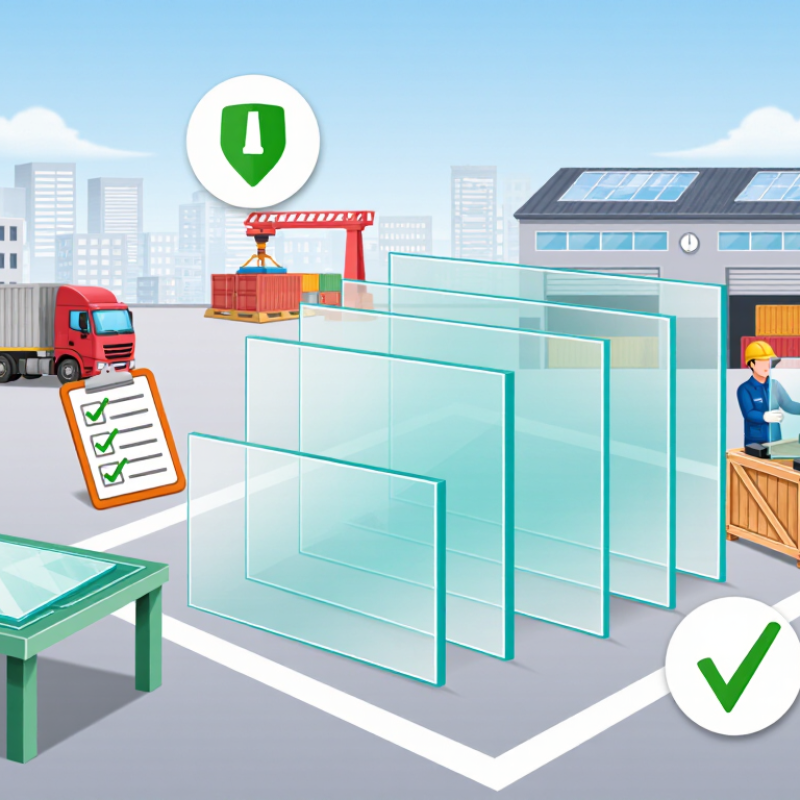
When comparing suppliers, buyers should review sample quality, measurement procedures, packaging, and communication—not just price. Ask how dimensions are checked after cutting and how fragile edges are protected during shipment. Clear drawings and written tolerances make orders easier to verify. Some suppliers may offer extensive customization, while others focus on repeatable standard work; neither is automatically the better choice. Requesting a small trial order can reveal practical issues, such as a hole placed slightly off-center or packaging that shifts in transit. Even experienced buyers sometimes miss these details. Careful checks help identify a supplier suited to the project, although no checklist can replace inspecting the actual product.

How Can Buyers Evaluate and Select a Chinese Supplier?

China Top Pre Cut Glass Manufacturers and Suppliers

Buyers should evaluate a Chinese glass supplier beyond catalog photos. Request three identical samples with drawings, tolerances, edge details, and coating specifications. Measure length, thickness, squareness, and edge quality independently. A 0.5 mm error can disrupt framing on a large project. Ask for batch numbers and inspection records. ISO 9001 certification helps, but it does not replace product testing.

Supplier capability should match the glass application. For tempered products, request evidence of compliance with EN 12150 or ASTM C1048, where applicable. For insulated units, check spacer design, sealant type, gas retention, and dew-point results. The International Energy Agency reported that buildings consumed about 30% of global final energy in 2022.

Therefore, low-emissivity glass suppliers should provide documented thermal and solar-performance values, not vague energy-saving claims. Compare laboratory data with the exact glass configuration.

Use UN Comtrade data to review a supplier’s export experience, product categories, and destination markets. Then inspect the factory, packaging area, cutting tables, and loading process. Look for corner protectors, moisture barriers, and vertical storage. Ask how defects are handled after delivery. A cheap quotation may exclude crating, testing, or replacement costs. That matters.

A polished factory tour proves little without traceable records. Buyers should also test communication speed and drawing discipline. One weakness is easy to overlook: even a technically capable supplier may struggle with changing dimensions. Record every revision in writing, and allow a pilot order before full production.