China Top High Reflective Glass Applications and Innovations?
High Reflective Glass plays a crucial role in modern architecture and design. According to Dr. Li Wei, a leading expert in the glass technology industry, "The future of High Reflective Glass lies in its ability to blend aesthetics and functionality." This statement reflects the ongoing advancements in this sector.
The applications of High Reflective Glass are vast, ranging from skyscrapers to automotive industries. Architects appreciate its ability to enhance energy efficiency while providing sleek visuals. However, some challenges remain. The production process can be resource-intensive, raising sustainability concerns. Additionally, integrating High Reflective Glass into existing structures can be complex.
The innovations in High Reflective Glass focus on improving performance and reducing environmental impact. New coatings enhance reflectivity, minimizing heat absorption. Yet, there is always room for improvement. Experts urge continuous exploration of alternative materials and methods. Overall, the future of High Reflective Glass is promising, but reflection on these challenges is essential for reaching its full potential.

Applications of High Reflective Glass in Modern Architecture
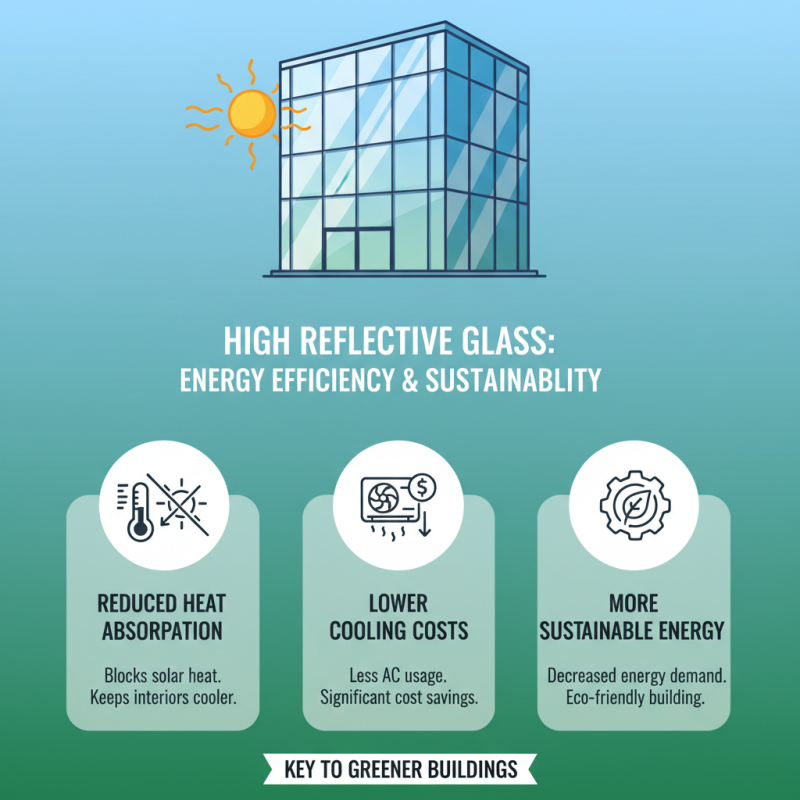
High reflective glass has transformed modern architecture, offering both aesthetic appeal and practical benefits. This type of glass effectively reduces solar heat gain while maximizing natural light. According to recent industry reports, its use in commercial buildings has increased by over 30% in the last five years, reflecting a shift towards sustainable architectural practices.
Architects appreciate high reflective glass for its sleek look. It allows buildings to blend with their surroundings while enhancing energy efficiency. However, potential drawbacks exist. Over-reliance on reflective surfaces may create glare issues in densely populated areas. This could affect not only the occupants of the buildings but also pedestrians nearby.
Tips: Consider how reflective glass interacts with its environment. Poor placement can lead to uncomfortable glare for passersby. Also, regularly assess the glass's efficiency against environmental changes. Innovative designs can amplify its benefits but must be coupled with considerations for users. Balancing aesthetics and functionality is key for future projects.
Innovations in High Reflective Glass Manufacturing Processes
Innovations in the manufacturing processes of high reflective glass have seen significant advancements in recent years. The industry has experienced a shift towards more eco-friendly and energy-efficient techniques. For instance, a report from ResearchAndMarkets indicates that the global reflective glass market is projected to reach $18.2 billion by 2027, driven by growing architectural demands. This increasing trend highlights the need for sustainable practices that minimize waste.
One key innovation involves the use of advanced coating technologies. These coatings enhance the glass’s reflectivity while reducing energy consumption. Utilizing materials like low-emissivity (Low-E) coatings has become standard. This method not only improves thermal insulation but also meets stringent energy regulations in various countries. However, some challenges persist, such as the higher costs associated with developing these sophisticated coatings. Moreover, uniform application across diverse glass surfaces remains a dilemma.
In terms of production efficiency, automated systems play a crucial role. Automation reduces production time and enhances precision. Implementing robotics in the handling and processing stages can also mitigate human error. Despite these benefits, manufacturers face obstacles, such as integrating new technologies into existing infrastructures. These ongoing challenges necessitate continuous reflection and adaptation to ensure that the innovations meet evolving market demands.
Trends in High Reflective Glass Usage in Automotive and Transportation
High reflective glass has become increasingly popular in the automotive and transportation sectors. This type of glass minimizes heat absorption and maximizes visibility. As environmental regulations tighten, manufacturers look for innovative materials. High reflective glass provides a solution, enhancing energy efficiency in vehicles.
In recent years, the shift towards electric vehicles has driven demand for better materials. High reflective glass helps manage interior temperatures, which is essential for electric car performance. The lightweight nature of this glass also contributes to fuel efficiency. However, challenges remain. Manufacturers must balance aesthetics with functionality.
The design possibilities for high reflective glass are growing. It can now be treated for various colors and patterns, meeting diverse consumer preferences. Nevertheless, there are concerns about durability and long-term performance. Industry experts stress the need for ongoing research. Each innovation brings both potential and risk. Addressing these challenges will be crucial for future advancements.
Future Developments in High Reflective Glass Technology and Applications
The future of high reflective glass technology is bright and full of potential. Innovations aim to enhance its efficiency and functionality. One development is the integration of nanotechnology, which can improve the glass's reflective properties. This advancement could lead to smarter buildings that reduce energy consumption while maximizing natural light.
Additionally, researchers are exploring environmentally friendly coatings that reduce glare. Such improvements can make high reflective glass safer for both users and wildlife. Automated systems that adjust reflectivity based on sunlight intensity are also on the horizon. However, challenges remain in cost and scalability, which require further discussion.
As technology progresses, the applications of high reflective glass may expand to new fields such as automotive design and aerospace. The potential is vast, yet the industry must balance innovation with sustainable practices. These factors are critical for the glass's future impact.
China Top High Reflective Glass Applications and Innovations
| Application Area |
Reflectivity (%) |
Innovation Type |
Future Developments |
| Architecture |
90 |
Energy Efficiency |
Smart Glass Integration |
| Automotive |
85 |
Safety Enhancements |
Self-cleaning Surfaces |
| Solar Energy |
95 |
Performance Optimization |
Bifacial Panels |
| Interior Design |
80 |
Aesthetic Development |
Custom Patterns |
| Electronics |
92 |
Functionality Increase |
Flexible Displays |