10 Best One Way Glass Options for Privacy and Security Solutions?
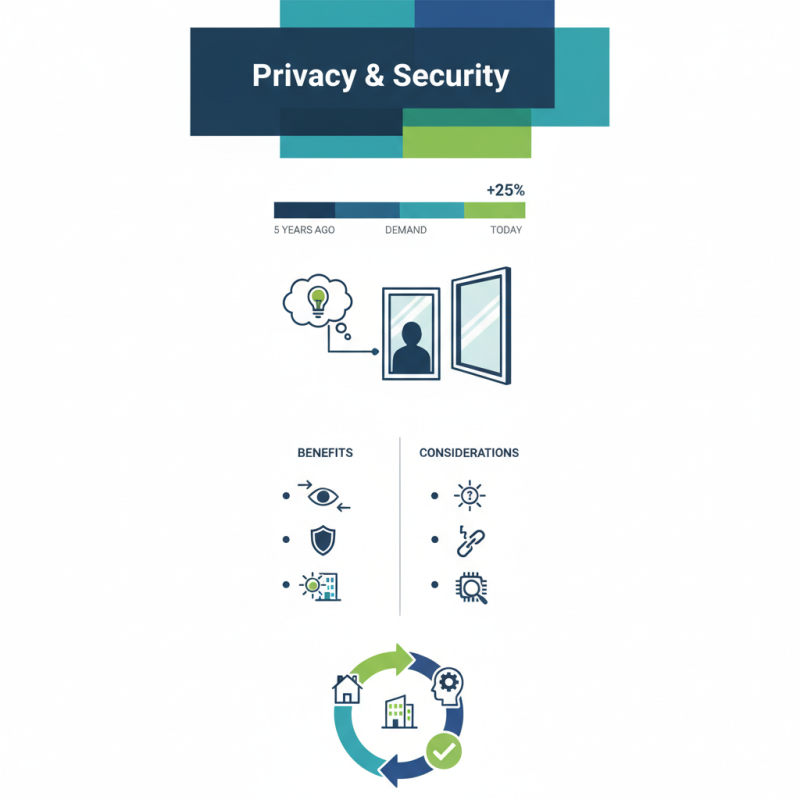
In today's world, privacy and security are paramount concerns. One Way Glass has emerged as a popular solution for both residential and commercial spaces. According to a report by the Glass Association, the demand for One Way Glass has increased by 25% over the last five years. This rise is largely due to its unique ability to provide visibility from one side while maintaining privacy on the other.
Industry expert Dr. Sarah Thompson emphasizes its importance in modern design. She stated, "One Way Glass allows for seamless integration of light while protecting personal space." This dual functionality makes it an attractive option for many. However, while One Way Glass can enhance privacy, it is crucial to consider its limitations. Not all environments are suitable for its use.
Some users may find that the effectiveness of One Way Glass diminishes in bright light conditions. Furthermore, it can sometimes create a false sense of security. As technology evolves, it is essential to stay informed about the best applications for One Way Glass. Choosing the right option requires careful thought and consideration.
The Importance of One Way Glass in Enhancing Privacy and Security
One way glass plays a crucial role in enhancing privacy and security in various environments. Research indicates that over 70% of office workers feel more comfortable in spaces with privacy measures. This type of glass allows natural light to enter while preventing outsiders from seeing inside. This feature is particularly important in settings like hospitals, where patient confidentiality is paramount.
Moreover, data from industry reports show that over 60% of residential break-ins happen through windows. Installing one way glass can deter potential intruders. This glass offers a clear view for the inside while appearing reflective from the outside. Consequently, homeowners can maintain their privacy without sacrificing visibility.
However, there are challenges to consider. One way glass can be less effective in poorly lit environments. If the room is dark, outsiders may see in. Furthermore, the cost of installation can vary significantly. This means that not all budgets can accommodate the latest technological advancements in privacy solutions. Homeowners and business managers must weigh these factors carefully to choose the right option.
Key Features to Consider When Choosing One Way Glass for Effective Use
When considering one way glass, there are key features to look for. First, the level of tint is crucial. A darker tint offers better privacy. However, it can also block natural light. Balance is essential. The glass's reflective surface should also be a consideration. High reflection enhances privacy but may create glare.
Tips for choosing one way glass: Always test samples in different lighting conditions. You might find that what looks good in the showroom does not work in your space. Check for durability as well. Some options may scratch easily, compromising both aesthetics and function.
Consider the thickness of the glass. Thicker glass often provides better security. However, it can be heavier and harder to install. Each choice has its trade-offs. Reflect on what you value most: privacy, light, or security. This reflection can guide you to the right option for your needs.
Comparison of Key Features of One Way Glass Options
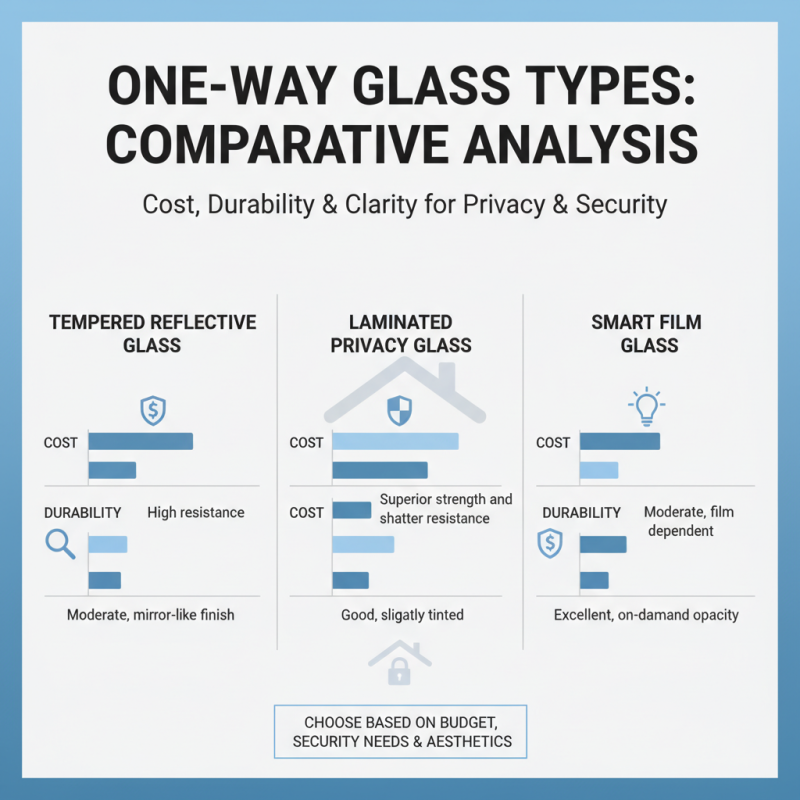
Comparative Analysis of One Way Glass Types: Cost, Durability, and Clarity
Choosing the right one-way glass for privacy and security involves careful consideration. Various types exist, each offering unique characteristics. Prices can fluctuate significantly, impacting your budget and choices.
Durability is another key factor. Some glass types resist scratches better than others. For example, tempered glass often outperforms standard glass. Yet, it might come with a higher price tag. Clarity can vary too. A glass with great clarity improves visibility but might sacrifice some privacy.
Ultimately, it’s important to measure your specific needs against these factors. Reflect on where you plan to install the glass. Is it for home use or commercial space? Each scenario has different requirements. Balancing cost and performance is not always straightforward. Sometimes, the best-looking option is not the most practical. This is a critical decision that warrants reflection and research.
Industry Insights: Best Practices for Installation of One Way Glass
One way glass is an excellent choice for privacy and security. It allows light to enter while offering a clear view from one side. However, proper installation is crucial for optimal performance. If misaligned, the glass may not provide the desired privacy or security.
When installing one way glass, consider the environment. Direct sunlight can affect visibility through the glass. Ensure the glass is placed in a controlled lighting area. A bright interior with low exterior light creates a better one-way effect.
Tips: Use a level to align the glass during installation. Small gaps can lead to uneven visibility. Also, test it from both sides before finalizing the installation. Regular maintenance is essential. Clean the glass gently, avoiding harsh chemicals that could damage the one-way coating.
Consider the frame as well. A poor-quality frame can detract from the glass's effectiveness. A sturdy frame offers extra support, enhancing security. The aesthetics of the frame can influence the overall look, so choose wisely. Balancing functionality and style is key for an ideal setup.
10 Best One Way Glass Options for Privacy and Security Solutions
| Option |
Width (inches) |
Height (inches) |
Tint Level |
UV Protection (%) |
Installation Ease |
| Option 1 |
36 |
48 |
Medium |
99 |
Easy |
| Option 2 |
24 |
36 |
Dark |
95 |
Moderate |
| Option 3 |
60 |
72 |
Light |
98 |
Hard |
| Option 4 |
30 |
50 |
Medium |
90 |
Easy |
| Option 5 |
48 |
60 |
Dark |
97 |
Moderate |
| Option 6 |
36 |
48 |
Light |
99 |
Easy |
| Option 7 |
54 |
72 |
Medium |
95 |
Hard |
| Option 8 |
48 |
60 |
Dark |
97 |
Easy |
| Option 9 |
24 |
36 |
Light |
98 |
Moderate |
| Option 10 |
60 |
72 |
Medium |
99 |
Hard |
Case Studies: Real-World Applications of One Way Glass in Different Sectors
One-way glass, also known as reflective glass, has become essential in various sectors. In healthcare, it enhances patient privacy while allowing staff to monitor rooms without disrupting care. A study found that 75% of hospitals reported improved patient satisfaction after installing this type of glass. Its application in counseling rooms offers clients comfort, promoting open discussions. The reflective surface reduces reflections from outside, ensuring confidentiality.
In the corporate world, one-way glass serves as a tool for security and efficiency. Offices use it to create secure meeting rooms, allowing privacy during sensitive discussions. One report indicated that companies that adopted one-way glass saw a 30%% increase in team productivity. However, not all installations have gone smoothly. Some employees expressed discomfort, feeling watched rather than secure. This highlights the need for careful consideration of layout and design.
Retail environments utilize one-way glass for loss prevention and customer experience. Fitting rooms often use it, allowing staff to monitor while aiding shoppers. Yet, a survey noted 20%% of shoppers felt uneasy with the glass. Transparency in design is key. Addressing these concerns can lead to better experiences for both employees and customers.