2026 Best High Reflective Glass Options for Modern Architecture?
In the realm of modern architecture, the selection of materials plays a pivotal role. High Reflective Glass is at the forefront of innovation in this field. As architect Sarah Jameson asserts, "High Reflective Glass transforms spaces, balancing aesthetics and energy efficiency." This material not only enhances the visual appeal of buildings but also contributes to sustainable design by reducing energy consumption.
Many architects are excited about the flexibility of High Reflective Glass. It allows for larger windows and brighter interiors, crucial for urban landscapes. However, challenges remain. The glare and solar heat gain can impact nearby structures and inhabitants. Balancing the design's beauty with functionality is vital. Thus, careful consideration is necessary when selecting this glass for specific projects.
As the construction industry evolves, the demand for High Reflective Glass increases. Its role in enhancing modern architecture cannot be overstated. Yet, architects must remain mindful of its potential drawbacks. Regular assessment of design choices ensures that the advantages truly outweigh the complications faced in urban environments.

Advantages of High Reflective Glass in Modern Architecture Design
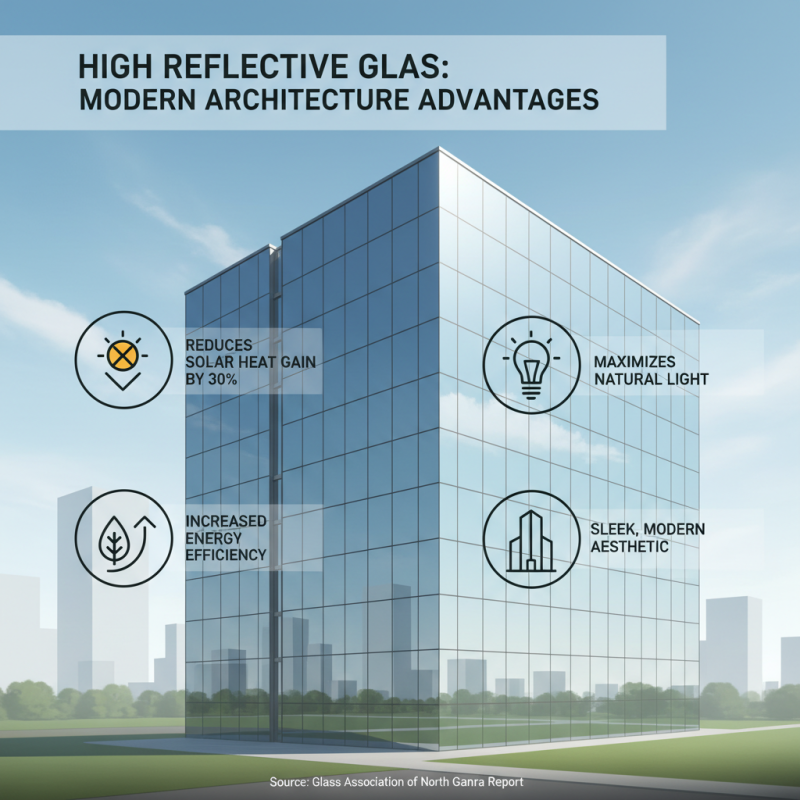
High reflective glass is gaining attention in modern architecture. Its properties enhance aesthetics and functionality. Designers appreciate the sleek look it offers. According to a recent report by the Glass Association of North America, reflective glass can reduce solar heat gain by up to 30%. This makes buildings more energy-efficient. Natural light is maximized, which creates bright spaces.
The environmental impact cannot be overlooked. High reflective glass helps lower cooling costs, significant in warmer climates. However, it can lead to glare issues. Balancing reflection and visibility remains a challenge. Architects must consider how this glass affects surrounding environments. In urban settings, reflective surfaces can result in unwanted light pollution.
Moreover, while the energy savings are appealing, initial costs can be higher. Some projects might find these expenses hard to justify. Investing in high reflective glass may not suit every budget. Balancing aesthetics and practicality continues to be a focus for architects and developers alike.
Key Features of 2026 High Reflective Glass Products for Architecture
In modern architecture, high reflective glass has become a staple due to its unique characteristics. This type of glass provides excellent light management, reducing glare while enhancing natural lighting. According to a report by the Glass Association, buildings equipped with reflective glass can cut energy consumption by up to 25%. This makes it an attractive option for eco-conscious designs.
High reflective glass products often showcase advanced coatings that improve energy efficiency. These coatings can reflect up to 70% of solar radiation. However, architects must consider potential downsides, such as the possibility of increased heat buildup indoors. Studies have shown that if not properly managed, this could lead to higher cooling costs. It's crucial to balance aesthetic appeal with practical functionality.
Furthermore, durability is a key feature of reflective glass. Its resistance to weather impacts ensures longevity, yet it may also be prone to scratches and damage if not handled properly. This raises questions about maintenance in high-use areas. Architects might need to invest in additional protective measures to maintain the glass's pristine appearance. Overall, while innovative, reflective glass demands thoughtful consideration in its application.
2026 Best High Reflective Glass Options for Modern Architecture
| Product Type |
Visible Light Transmittance (%) |
Solar Heat Gain Coefficient |
Reflectivity (%) |
Thickness (mm) |
Color Options |
| Low-E Coated Glass |
50 |
0.30 |
60 |
6 |
Clear, Bronze |
| Tinted Reflective Glass |
40 |
0.35 |
70 |
5 |
Gray, Blue |
| Mirrored Glass |
35 |
0.25 |
80 |
4 |
Silver, Gold |
| Fritted Glass |
45 |
0.28 |
50 |
8 |
White, Black |
| Smart Glass |
55 |
0.22 |
60 |
10 |
Transparent, Opal |
Impact of Solar Control and Thermal Performance in Reflective Glass
Reflective glass is becoming increasingly popular in modern architecture. Its aesthetic appeal is undeniable, but it offers more than just looks. The impact on solar control and thermal performance is significant. According to a report by the American Society of Heating, Refrigerating and Air-Conditioning Engineers (ASHRAE), reflective glass can reduce solar heat gain by up to 60%. This can lead to much lower cooling costs.
However, not all reflective glasses are created equal. Certain types may increase glare and negatively affect occupants' comfort. A study from the National Renewable Energy Laboratory revealed that high reflectivity can sometimes lead to increased energy consumption in adjacent buildings. This paradox raises questions about the perfect balance between style and sustainability.
Architects must consider these variables. Effective designs should incorporate both aesthetic and environmental factors. Failure to do so can result in higher energy costs and discomfort for building occupants. Keeping in mind the overall impact is essential for modern architecture's success. Reflective glass can provide benefits, but it must be chosen carefully.
Market Trends: Consumer Preferences for Reflective Glass in Building Design
Consumer preferences for reflective glass in modern architecture are evolving. According to a recent industry report, approximately 57% of architects favor highly reflective glass for its aesthetic appeal. This trend is partly driven by the growing demand for energy-efficient solutions. Reflective glass reduces heat gain while maximizing natural light, making it a sought-after choice.
The design flexibility reflective glass offers is remarkable. It can seamlessly blend with various architectural styles, from sleek skyscrapers to contemporary homes. However, some consumers express concerns about privacy and glare. Nearly 35% of surveyed individuals noted that excessive reflection can hinder street views. Balancing aesthetics with functionality remains a challenge.
Moreover, sustainability is a critical factor. An analysis by an architectural glass association indicated that reflective glass can enhance energy performance by up to 30%. Yet, proper installation and selection are vital. Without the right approach, the benefits might not be fully realized. As the market grows, ongoing dialogue about these aspects is essential.
2026 Best High Reflective Glass Options for Modern Architecture
Case Studies: Innovative Uses of High Reflective Glass in Notable Projects
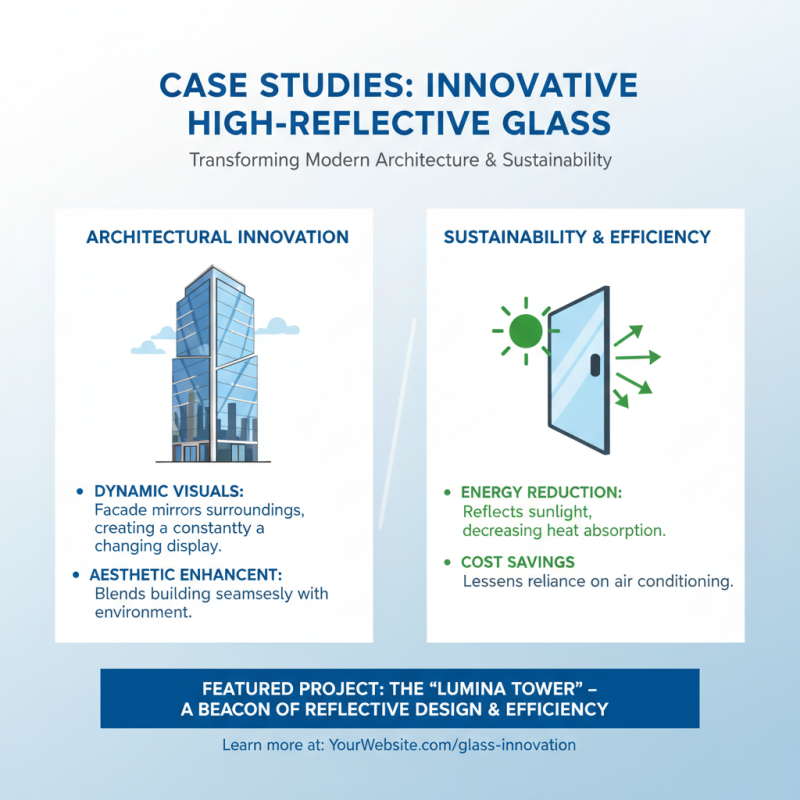
High reflective glass has transformed modern architecture. Its ability to reflect light and images makes it a popular choice for various projects. One striking example is a recently completed office tower. The building’s facade mirrors its surroundings, creating a dynamic visual experience. This clever use of reflective glass not only enhances aesthetics but also reduces energy costs.
In residential projects, architects have utilized high reflective glass to maximize natural light. A notable case is a house that features expansive glass walls. These walls not only provide stunning views but also create an illusion of more space. However, there are challenges. Maintaining privacy can be difficult in such designs.
Tips: Consider the direction of sunlight when using reflective glass. It can heat your space quickly. Also, explore different textures of reflective glass. Some finishes help in filtering harsh light, enhancing comfort. Balancing reflection and transparency is crucial. Always think about the impact on the environment and surrounding structures. Reflective glass should harmonize with the context, not just stand out.