Exploring 2026 Top Trends in Led Glass Technology?
The landscape of technology is always evolving. Among these advancements, Led Glass is becoming increasingly significant. This innovative material redefines how we interact with lighting, architecture, and displays. It offers unique opportunities in both commercial and residential spaces.
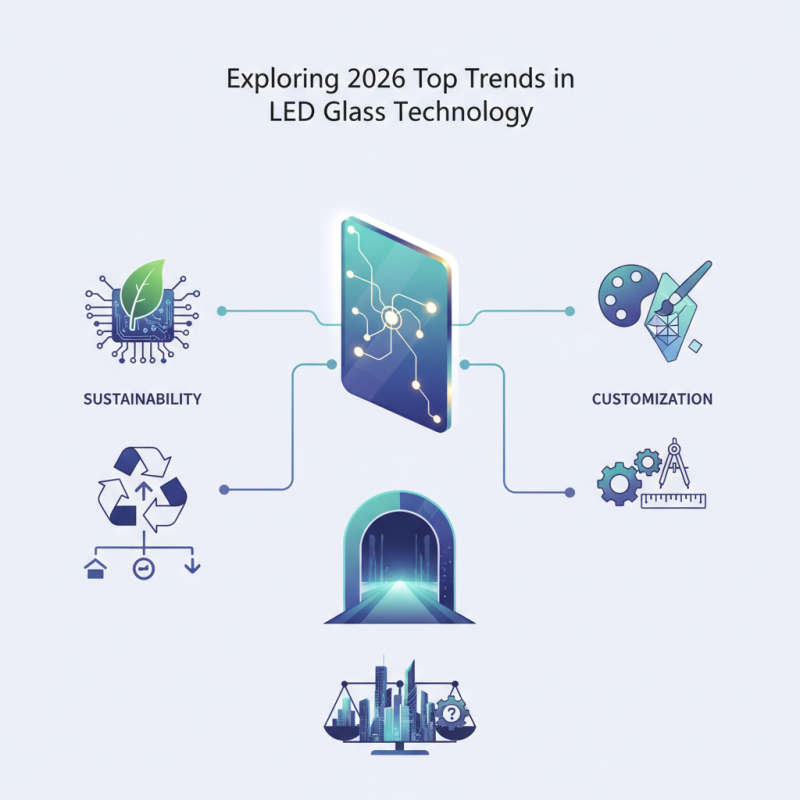
In 2026, we anticipate several trends shaping the Led Glass market. One trend focuses on sustainability. Eco-friendly production methods will likely drive consumer interest. However, challenges remain in ensuring that sustainable options don't compromise quality. Another emerging trend is customization. Tailored designs allow for artistic expression but may require careful consideration of production costs and scalability.
As we explore these developments, it is essential to reflect on the potential pitfalls. While Led Glass offers many advantages, its integration may face technological limitations. Effective implementation calls for a balanced approach to harness its full potential without overlooking practical challenges. Looking ahead, Led Glass could transform our environments, but thoughtful consideration is key.
Emerging Innovations in LED Glass Technology for 2026
LED glass technology is rapidly evolving, with innovative applications emerging for 2026. This year, we can expect advancements that integrate energy efficiency with enhanced aesthetics. Smart windows that adjust their transparency based on sunlight could become common. These windows can help regulate indoor temperatures, ultimately lowering energy costs.
Consumers may want to consider the benefits of LED glass for various settings. For instance, it can create immersive environments in commercial spaces. Using LED glass, businesses can display vibrant ads or dynamic visuals, captivating their audience. However, the initial investment might be high. Should businesses prioritize such technology, even if the payback period is uncertain?
Another area of innovation is wearable LED glass technology. It could change how we interact with digital content. Imagine glasses that project notifications or augmented reality elements in your line of sight. This concept feels exciting but also raises questions about privacy and dependency on technology. How will we manage these challenges as this technology evolves?
Exploring 2026 Top Trends in Led Glass Technology
| Trend |
Description |
Impact Area |
Projected Growth (%) |
Timeline |
| Smart Integration |
Integration of IoT technologies for enhanced user experiences. |
Consumer Electronics |
25% |
2026 |
| Sustainability |
Development of eco-friendly LED glass materials. |
Construction |
30% |
2025-2026 |
| Customization |
Enhanced options for tailored lighting solutions. |
Interior Design |
20% |
2026 |
| Augmented Reality |
Use of AR for immersive LED visuals in environments. |
Entertainment |
35% |
2026 |
| Health & Safety |
Innovations focusing on reducing eye strain and enhancing well-being. |
Healthcare |
15% |
2026 |
Applications of LED Glass in Architectural Design and Urban Spaces
LED glass technology is transforming architectural design and urban spaces. This innovation blends aesthetics with functionality. Buildings can now feature dynamic façades that change colors or patterns. These interactive surfaces capture attention and spark conversations. Enhanced visibility at night is another key benefit.
In urban settings, LED glass installations serve as vital landmarks. They create memorable experiences for residents and visitors. However, there are challenges. The energy consumption of these installations must be carefully monitored. Overexposure to light pollution is a concern that needs addressing. Architects and designers continually explore strategies to balance innovation with sustainability. The journey is ongoing, filled with both exciting opportunities and critical reflections on the impacts of technology in our environments.
Impact of LED Glass Technology on Energy Efficiency and Sustainability
The rise of LED glass technology marks a significant shift in energy efficiency and sustainability. This innovative material merges lighting with architectural design. Homes and buildings now benefit from enhanced aesthetics and reduced energy consumption. Imagine a façade that glows softly at night, illuminating spaces while using minimal electricity. The blend of glass and LEDs transforms ordinary walls into vibrant displays.
Yet, challenges remain. The manufacturing process of LED glass can be energy-intensive. While it ultimately saves power, the initial production phase needs refinement. Furthermore, the longevity of LEDs reduces waste but raises questions about eventual disposal. Recycling processes for such materials are not fully developed. Communities must invest in recycling programs to prevent environmental harm.
Investing in LED glass technology can result in significant sustainability gains. Buildings equipped with this technology can decrease overall carbon footprints. However, stakeholders must weigh costs against benefits carefully. It’s vital to pursue improvements in production methods and establish comprehensive recycling initiatives. The potential is immense, yet a cautionary approach is necessary to avoid creating new environmental issues.
Future Market Trends and Growth Opportunities in LED Glass Industry
The LED glass industry is poised for significant growth in the coming years. According to a recent market report, the global LED glass market is expected to reach $1.5 billion by 2026. This represents a compound annual growth rate (CAGR) of over 12%. The demand is driven by increased applications in both residential and commercial sectors. Smart homes and energy-efficient solutions are key contributors.
Emerging trends indicate a shift toward innovative designs. The integration of LED technology with smart systems is gaining traction. For instance, interactive glass displays for advertising are becoming popular. Companies are exploring artistic uses of LED glass in architecture. These advancements create new opportunities yet pose certain challenges. Manufacturers must balance aesthetics with functionality and cost.
Sustainability remains a critical focus. Consumers prefer eco-friendly materials and energy-saving solutions. A significant portion of the market growth is attributed to this trend. However, companies face hurdles in sourcing sustainably. As the industry evolves, addressing these concerns will be vital. Timely adaptation to market demands is essential for success.
Challenges and Considerations in the Development of LED Glass Solutions
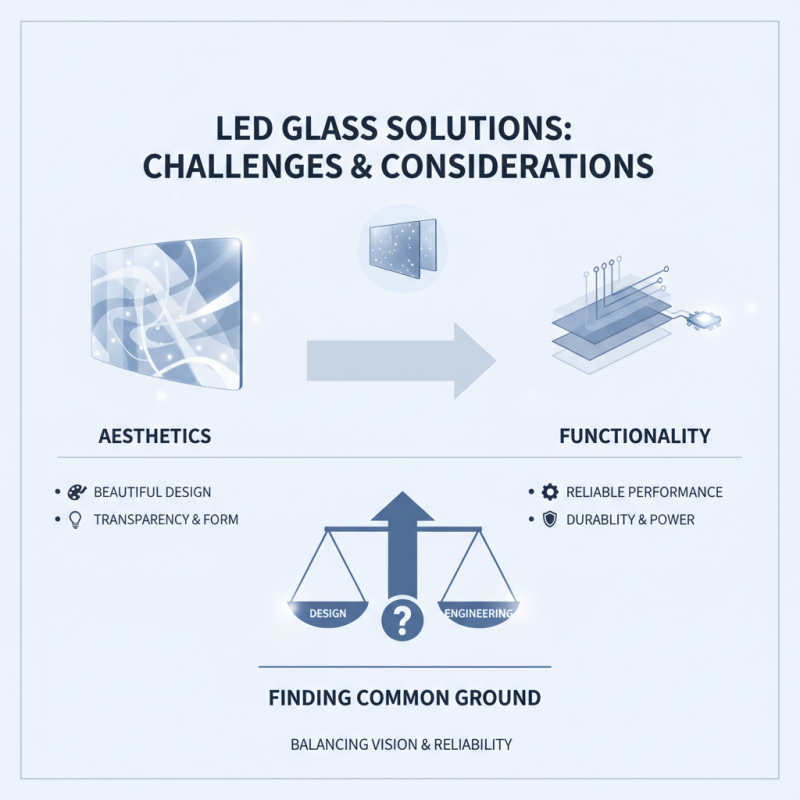
The development of LED glass technology is rapidly advancing, but challenges remain. One significant issue is the balance between aesthetics and functionality. Designers want beautiful products, while engineers need reliable performance. This sometimes leads to conflicting priorities. It is crucial to find common ground between these two areas.
Another challenge is energy efficiency. While LED glass can save energy, the initial designs often don’t optimize this benefit. Many prototypes waste potential by using outdated materials or technologies. Reducing energy consumption requires constant innovation and adaptability.
**Tip**: Collaborate early with both designers and engineers. This ensures that aesthetics and performance can be addressed from the start.
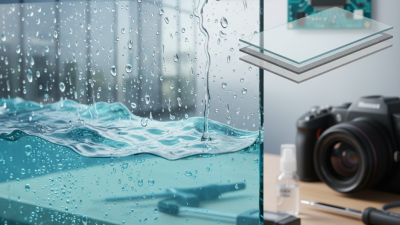
Manufacturers face durability issues as well. The glass must withstand environmental factors like heat and moisture. Often, the materials chosen fail to offer the needed resilience. Testing in real-world conditions is essential to identify these weaknesses.
**Tip**: Practical testing can reveal flaws that simulations miss. Don't skip this step, as it’s vital for long-term success.
Overall, advancing LED glass technology requires tackling these challenges. Only through a nuanced approach can true innovation occur.