Leave Your Message
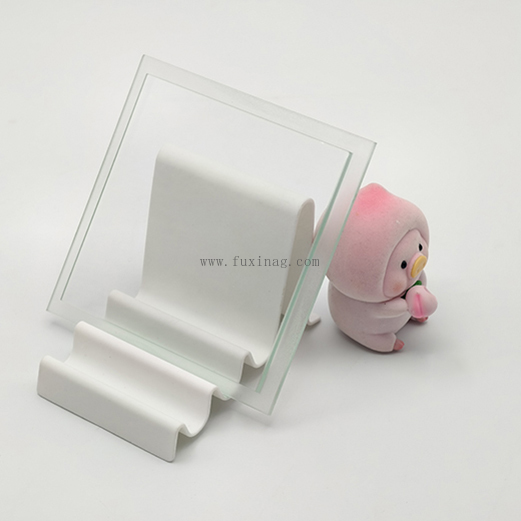
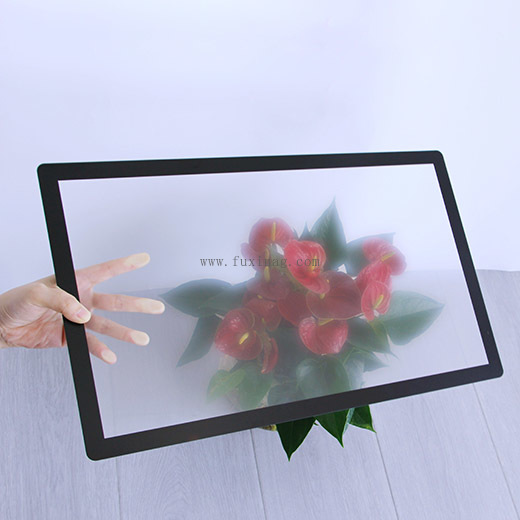
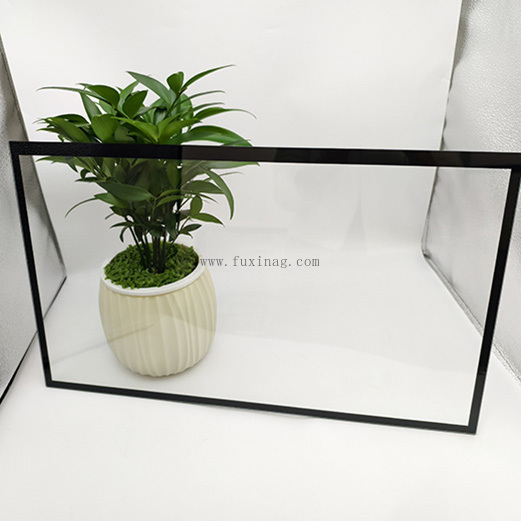
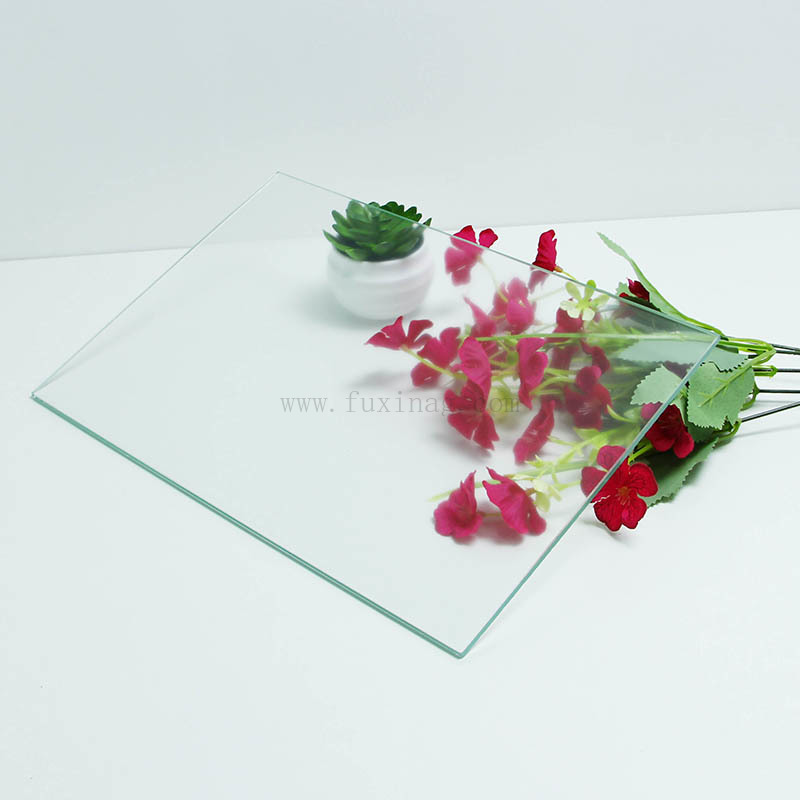
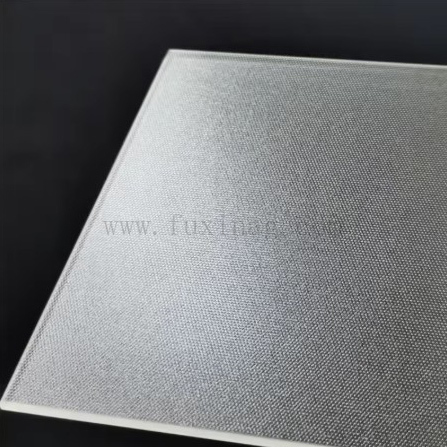
Discover our premium selection of Anti-Reflective (AR) and Anti-Glare (AG) cover glass, meticulously engineered for high-performance industrial control interfaces. These specialized glass panels are designed to eliminate harsh reflections and optimize display clarity in complex manufacturing environments.
The evolution of industrial automation and the rapid onset of Industry 4.0 have fundamentally transformed the way human operators interact with heavy machinery, automated assembly lines, and complex robotic systems. At the heart of this paradigm shift is the Human-Machine Interface (HMI). As factories become smarter and more reliant on real-time data visualization, the physical interface—the touchscreen display—must perform flawlessly under the most demanding environmental conditions. This is where Anti-Reflective (AR) and Anti-Glare (AG) glass for industrial control interfaces becomes an indispensable component of modern manufacturing infrastructure.
Currently, the global commercial landscape for industrial cover glass is experiencing unprecedented growth. Traditional plastic or untreated glass interfaces suffer from severe limitations: they are prone to scratching, susceptible to chemical degradation, and, most critically, they reflect overhead factory lighting to such an extent that critical data becomes unreadable. This "screen blindness" can lead to operational errors, decreased productivity, and significant safety hazards. Consequently, leading manufacturers of Programmable Logic Controllers (PLCs), Supervisory Control and Data Acquisition (SCADA) systems, and industrial PCs are universally transitioning to specialized AR and AG coated tempered glass to guarantee optical clarity and rugged durability.
Furthermore, the integration of the Internet of Things (IoT) on the factory floor means that control interfaces are no longer just simple push-button arrays; they are highly sophisticated, multi-touch capacitive screens that display intricate schematics, high-definition video feeds from quality-control cameras, and complex diagnostic analytics. To support this high-fidelity data transmission, the cover glass must offer exceptionally high light transmittance (often exceeding 95% with AR coatings) while simultaneously diffusing the harsh, multi-directional lighting typical of industrial plants. The economic imperative is clear: investing in premium Anti-Reflective AG glass directly correlates with enhanced operator efficiency, reduced eye strain, and a lower total cost of ownership due to the extended lifespan of the interface.
The application of Anti-Reflective and Anti-Glare glass extends far beyond standard display monitors. In the realm of industrial control, the environment dictates the technological requirements. Below, we dissect the critical scenarios where specialized optical glass is not just a luxury, but an operational necessity.
In environments dominated by Computer Numerical Control (CNC) machines, lathes, and heavy stamping presses, control interfaces are subjected to flying metallic debris, cutting fluids, oil mist, and intense localized task lighting. A standard display would quickly become unreadable due to glare and surface fouling. Anti-Glare (AG) glass is manufactured by micro-etching the surface, which scatters reflected light and eliminates the mirror effect. When combined with an Anti-Fingerprint (AF) oleophobic coating, the glass actively repels industrial oils and coolants, ensuring that the capacitive touch functionality remains highly responsive even when operated by technicians wearing heavy industrial gloves.
Industrial control isn't confined to indoor factories. Mining operations, oil and gas refineries, and renewable energy installations (such as solar farms and wind turbine control nodes) rely on outdoor HMIs. These terminals face the ultimate optical challenge: direct, blinding sunlight. Here, Anti-Reflective (AR) glass is critical. By applying multiple layers of nanocoatings, AR glass utilizes the principle of destructive interference to reduce surface light reflection from a standard 8% down to less than 1%. This dramatic reduction in reflectance, coupled with high-brightness LCD panels, ensures sunlight readability, allowing operators to monitor critical infrastructure safely in any weather condition.
Pharmaceutical manufacturing and medical device production occur in strict cleanroom environments where hygiene and particulate control are paramount. Control interfaces in these settings undergo rigorous, frequent cleaning with harsh chemical sterilizers and high-concentration alcohol. The cover glass must not only prevent glare from intense, shadowless cleanroom lighting but also possess supreme chemical resistance. Specialized AG glass with deep chemical etching provides a permanent optical solution that will never peel, degrade, or yellow over time, unlike spray-on film alternatives. This ensures long-term compliance with strict industry hygiene standards.
Control panels situated on marine vessels, offshore drilling rigs, and aerospace ground support equipment face extreme environmental stressors, including high salinity, extreme humidity, and intense ultraviolet (UV) radiation. The Anti-Reflective AG glass used in these scenarios undergoes specialized thermal tempering to withstand high-impact forces and extreme temperature fluctuations. Furthermore, the AR coatings are engineered to be highly durable against salt-fog corrosion. The optical clarity provided by these advanced glass panels ensures that navigation charts, radar arrays, and critical telemetry data remain perfectly legible, preventing catastrophic misinterpretations in high-stakes environments.
As the demands of industrial automation continue to escalate, the technology behind Anti-Reflective and Anti-Glare cover glass is advancing at a rapid pace. Understanding the underlying physics and tracking future trends is essential for engineers and system integrators designing the next generation of control interfaces.
The Physics of Optical Clarity: The distinction between AR and AG is crucial. Anti-Glare (AG) deals with reflected light by diffusing it. Through chemical etching or advanced spray coating, microscopic irregularities are created on the glass surface. When ambient light hits these irregularities, it scatters in multiple directions, transforming a sharp, distracting reflection into a soft, diffuse glow. Conversely, Anti-Reflective (AR) technology involves applying precise, microscopic layers of metal oxides (such as Silicon Dioxide and Titanium Dioxide) in a vacuum environment. These layers are engineered to specific thicknesses that cause incoming light waves and reflected light waves to cancel each other out (destructive interference), allowing up to 99% of the light from the display to pass through to the user's eye.
Future Trend 1: Synergistic Multi-Coating (AG+AR+AF): The future of industrial control glass lies in the seamless integration of multiple treatments. We are seeing a massive trend toward "Triple-Coated" glass. A single panel will feature a chemically etched AG surface to diffuse broad light sources, layered with an AR coating to maximize light transmission and contrast ratio, and finally topped with an AF (Anti-Fingerprint/Anti-Smudge) nanocoating to reduce friction and repel contaminants. This holy grail of optical glass provides an unparalleled user experience, mimicking the tactile feel of high-end consumer electronics while delivering military-grade durability.
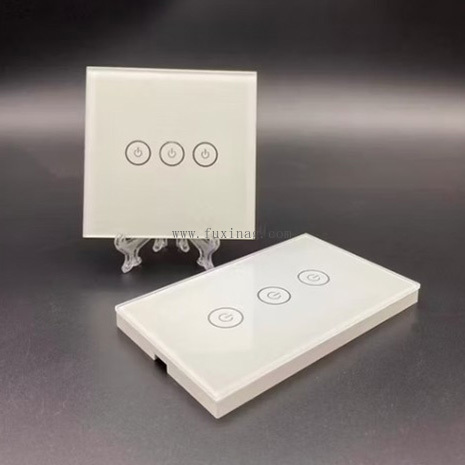
Future Trend 2: Integration with Advanced Touch and Haptics: As industrial interfaces move away from physical buttons, the glass itself must facilitate new forms of feedback. Future AG glass is being engineered with specific dielectric constants to perfectly complement projected capacitive (PCAP) touch sensors, allowing for multi-touch functionality even through thick glass (up to 6mm or more for vandal resistance) and through water droplets or heavy gloves. Additionally, localized acoustic or haptic feedback systems are being integrated directly behind the cover glass, requiring the glass to have specific acoustic transmission properties.
Future Trend 3: Eco-Friendly and Sustainable Manufacturing: The traditional chemical etching processes for AG glass consume significant resources. A major industry trend is the shift toward environmentally sustainable manufacturing. This includes the development of eco-friendly etching acids, closed-loop water recycling systems in the glass washing phase, and low-energy vacuum deposition techniques for AR coatings. Companies that can deliver high-performance optical glass while minimizing their carbon footprint will dominate the future industrial supply chain.
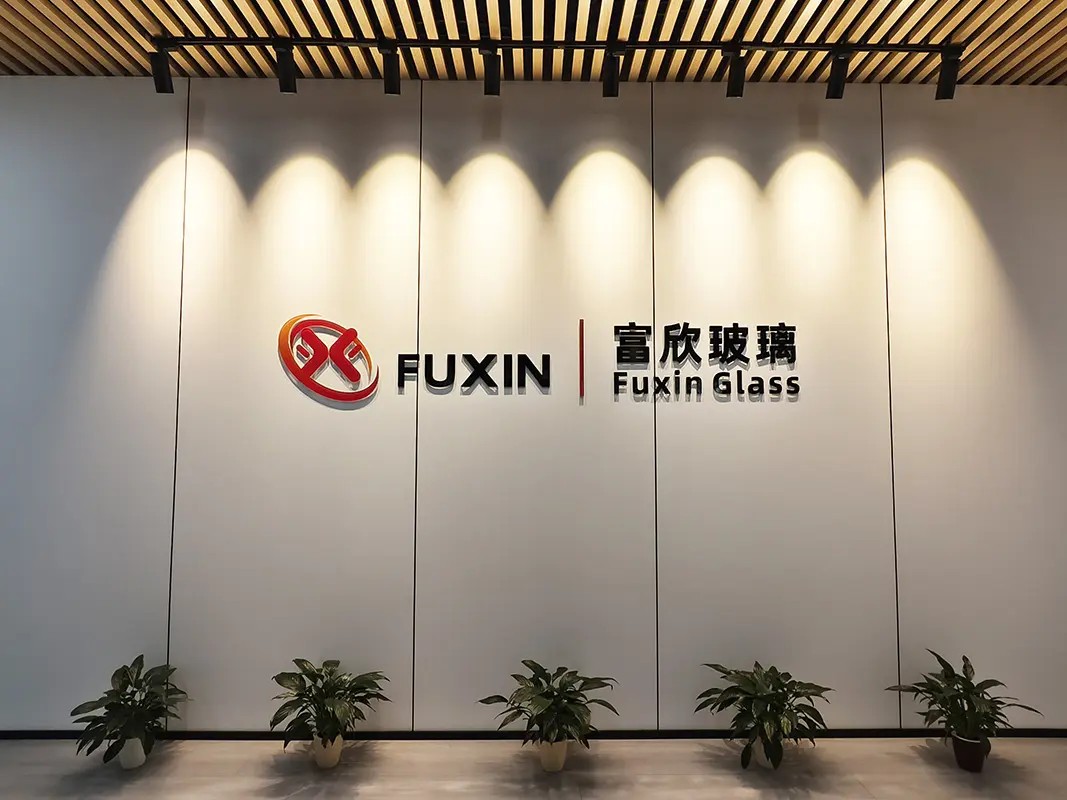
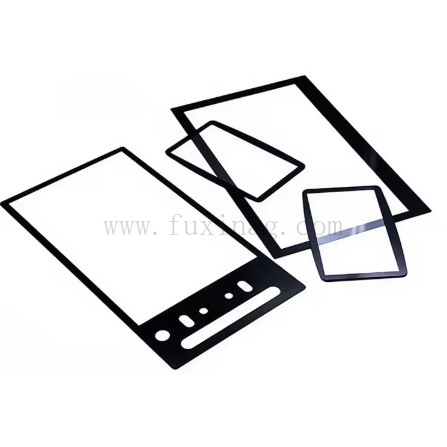
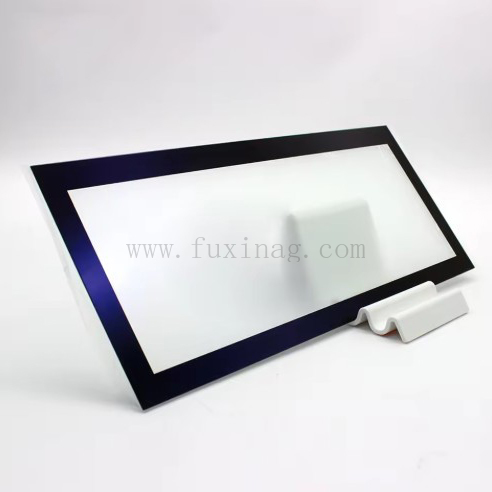
Founded in 2012, with a registered capital of $1.5 million and a sprawling 21,000+m² state-of-the-art plant, Fuxin Glass has established itself as a premier ODM/OEM provider for glass deep-processing services. With over 13 years of dedicated industry experience, we have mastered the art of transforming base glass into highly customized cover glass solutions featuring advanced AG, AR, AF, and AM surface coatings, complemented by precision silk screen printing. Our products are the backbone of modern touch screens, smart control devices, home appliances, specialized lighting, and complex industrial optical applications.
Strategically located near the beautiful Wanlv Lake in Heyuan City, China, our factory is an engineering marvel. It boasts a comprehensive suite of precision glass processing equipment, including advanced glass tempering lines, fully automatic CNC cutting and edging lines, large-scale screen printing facilities, and specialized machinery for custom-shaped edging. Furthermore, we operate dedicated, high-tech spraying lines for AG, AF, AR, and Anti-bacterial glass treatments.
Leveraging a robust R&D team of over 50 leading professional technical personnel, massive production capacity, and a highly stable supply chain, Fuxin Glass has rapidly grown to become one of China's top 3 electronic and electrical cover glass manufacturers, enjoying a stellar global reputation. We maintain steadfast, long-term partnerships with globally renowned brands, including TCL, HKC, CVTE, OKV, HUAWEI, KONKA, and SEEWO. Driven by an enterprising spirit of building business with integrity, technological creativity, and scientific leadership, we are in a state of constant innovation. We adhere strictly to the principle of "integrity, quality, and win-win," and are eagerly willing to establish enduring cooperative relationships with clients worldwide to build the next generation of industrial control interfaces.
Fuxin Glass is committed to delivering quality and service that consistently exceeds industry standards. Our comprehensive approach to glass manufacturing ensures that every panel meets the exacting demands of industrial control environments.
13-year of OEM/ODM Manufacturing Experience
Certified Quality: ISO, RHOS, GS, JIS Z standards
24-hours Professional After-Sale Support
Specialized in R&D, Design, and Production of Display Glass
Leading R&D Team with 50+ Technical Experts
Top 3 A-share Listed Electronic Glass Manufacturer in China
Expertise in AG, AM, AR, AF, and Electrical Glass
Trusted by TCL, BOE, CVTE, Hisense, HKC, HUAWEI
Explore our full range of engineered glass solutions. Whether you require robust tempered glass for heavy machinery, specialized anti-reflective coatings for outdoor terminals, or precision silkscreened panels for medical devices, our comprehensive portfolio offers the ultimate optical defense for your industrial control interfaces.