Leave Your Message
Explore our top-tier anti-glare etched glass products specifically engineered for the demanding environments of ship navigation bridge displays.
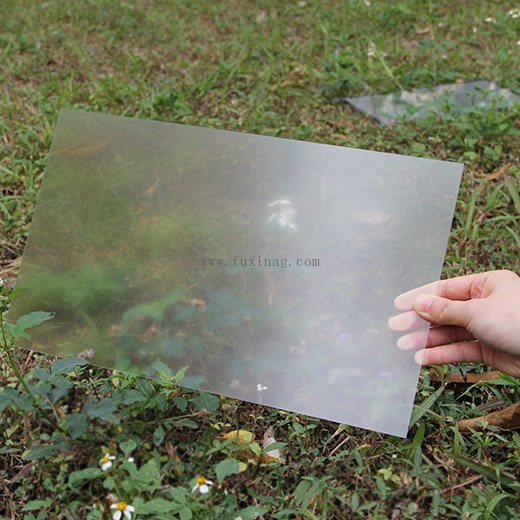
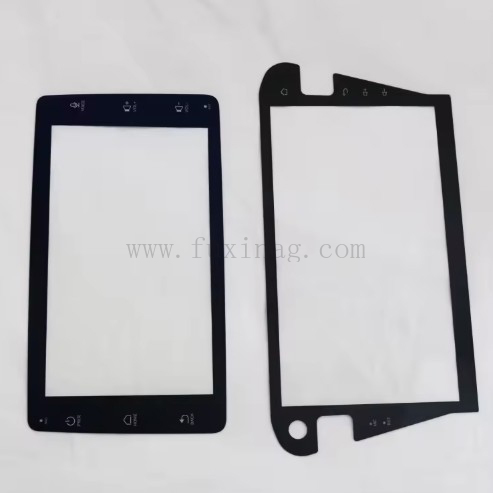
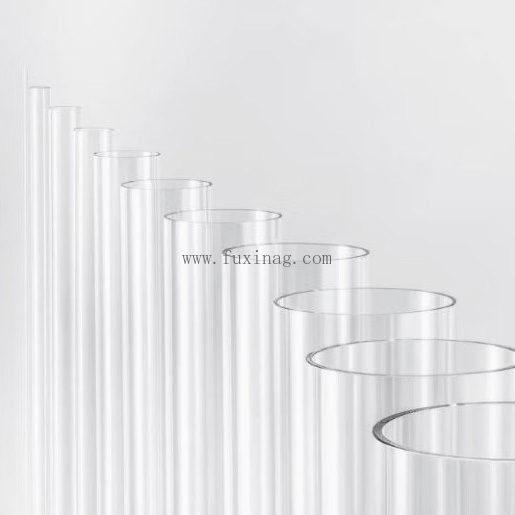
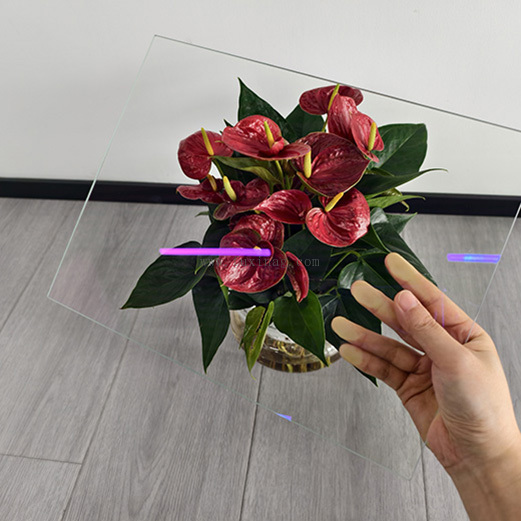
The maritime industry is currently undergoing a profound digital revolution. Gone are the days when ship navigation relied solely on analog compasses, paper charts, and mechanical gauges. Today, the modern ship navigation bridge is a sophisticated hub of digital information, commonly referred to as the "Glass Bridge". This integrated network of high-definition screens provides captains and navigators with real-time data crucial for safe and efficient vessel operation.
When navigating through treacherous waters, congested straits, or unpredictable weather conditions, the clarity and readability of a ship's navigation bridge displays are not merely matters of convenience—they are absolute safety imperatives. However, the marine environment presents unique and severe challenges. Intense sun glare, harsh reflections bouncing off the ocean surface, and highly variable ambient lighting conditions can severely obscure vital information on screens. If a navigator misreads a depth contour on an electronic chart or fails to spot a small target on a radar screen due to screen glare, the consequences can be catastrophic. This is precisely where Anti-Glare (AG) Etched Glass steps in as the ultimate optical solution, engineered to guarantee uncompromising visibility under the most extreme marine conditions.
Anti-glare etched glass is not a one-size-fits-all product; its application is deeply integrated into specific, highly sensitive instruments across the ship's bridge. Understanding these use cases highlights why standard consumer-grade glass is completely inadequate for marine applications.
The ECDIS is the digital heart of marine navigation, replacing traditional paper charts. These displays must render highly detailed topographical maps, depth contours, and navigational hazards with pinpoint color accuracy. Standard glass surfaces reflect ambient bridge lighting and sunlight, washing out critical colors (such as shallow water warnings marked in specific shades of blue). By utilizing chemically etched anti-glare glass, the surface diffuses incident light, significantly reducing specular reflection while maintaining the high resolution and strict color calibration required by international maritime standards.
Radar operators must monitor screens for hours, tracking moving targets, weather patterns, and potential collision threats. In bright daylight, a glossy screen acts like a mirror, causing severe eye strain and masking small, faint radar blips. Etched AG glass minimizes this mirror effect. Furthermore, the precise etching process ensures that the "sparkle" effect (a common issue with cheap AG coatings) is virtually eliminated, providing a clean, matte finish that allows for prolonged, fatigue-free observation.
For offshore vessels, cruise ships, and advanced cargo carriers, Dynamic Positioning systems automate the maintenance of the vessel's position. These systems, along with central Conning displays, increasingly utilize touch-screen interfaces. Etched AG glass provides a distinct tactile advantage. The microscopic texturing of the glass surface reduces friction, allowing operators' fingers to glide smoothly across the screen, even in high-humidity environments or when wearing light gloves. This enhances the responsiveness of the Human-Machine Interface (HMI).
The global commercial shipping and luxury yacht markets are demanding larger, more integrated, and more reliable display solutions. However, supplying glass for these applications is incredibly complex due to the harsh realities of the marine environment. Displays on a ship's bridge are subjected to high salinity (salt mist), extreme temperature fluctuations (from freezing arctic routes to sweltering tropical sun), constant engine vibration, and intense Ultraviolet (UV) radiation.
Consequently, marine displays and their cover glass must comply with rigorous international standards. The most notable is the IEC 60945 standard for maritime navigation and radio communication equipment, which dictates stringent environmental testing. Additionally, the IEC 62288 standard specifically addresses the presentation of navigation-related information on shipborne navigational displays, setting strict parameters for contrast, brightness, and readability under various lighting conditions.
Manufacturers of marine HMI systems face the challenge of sourcing cover glass that not only meets these optical requirements but can survive decades at sea without degrading. Ordinary spray-on anti-glare coatings often fail in this regard; they can scratch, peel, or degrade under UV exposure and salt spray. This industrial bottleneck has driven the widespread adoption of chemical etching technology.
Why is chemically etched glass universally preferred over coated glass for ship navigation displays? The answer lies in the physics of the manufacturing process and the resulting durability.
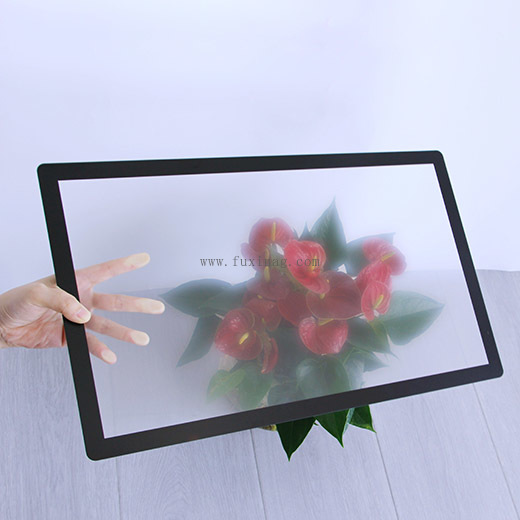
Unlike anti-glare coatings, which are essentially liquid polymers sprayed onto the glass surface and cured, chemical etching is a subtractive process. It involves using specialized acids to microscopically alter the actual surface of the glass itself. This creates a permanent, textured surface that diffuses ambient light. Because the anti-glare property is an inherent part of the glass structure, it can never peel, flake, or wear off. It boasts the exact same Mohs hardness rating as the original raw glass, making it incredibly resistant to scratches from equipment, cleaning abrasives, or accidental impacts.
Furthermore, precision chemical etching allows manufacturers to tightly control critical optical parameters such as Gloss (the amount of light reflected), Haze (the scattering of transmitted light), and Transmittance (the total light passing through). For ship bridge displays, a delicate balance must be struck: the glass must have enough haze to eliminate glare from the ocean sun, but high enough transmittance and clarity to ensure that 4K ECDIS charts remain razor-sharp. Fuxin Glass utilizes advanced CNC etching lines to achieve this perfect optical balance, tailored specifically for marine applications.
Looking ahead, the integration of Anti-Glare Etched Glass in ship navigation bridges is evolving rapidly alongside advancements in display technology. We are observing several key development trends shaping the future of maritime HMI:
Modern bridge consoles are moving away from multiple small monitors toward ultra-large, seamless glass panels (often 32-inch to 55-inch or larger). Additionally, ergonomic curved displays are becoming popular to keep all information within the navigator's peripheral vision. Processing large-format, curved AG glass requires immense technical capability in both tempering and uniform chemical etching, a challenge top-tier manufacturers are actively solving.
The future of marine glass lies in multi-layer treatments. We are seeing a rising demand for cover glass that combines Anti-Glare (AG) etching with Anti-Reflective (AR) coatings to maximize light transmission, and Anti-Fingerprint (AF) oleophobic treatments to keep touchscreens clean from oily residues. This "AG+AR+AF" combination represents the pinnacle of marine display protection.
As autonomous and smart shipping technologies advance, navigation data will increasingly be projected directly onto the bridge windows or transparent HUD panels. The anti-glare and light-control properties of the glass will be foundational in ensuring these holographic projections are visible against the bright backdrop of the open ocean.
Founded in 2012, registered capital $1.5 million & 21000+m² plant, Fuxin Glass is an ODM/OEM provider for glass deep-processing service over 13 years, accumulating rich industry experience. We process base glass into customized cover glass with AG/AR/AF/AM surface coating and silk screen printing for touch screen, smart control devices, home appliances, lighting, and other special optical applications. Our factory is near the beautiful Wanlv Lake, Heyuan City, China. The factory boasts a comprehensive suite of precision glass processing equipment, including glass tempering lines, fully automatic CNC cutting and edging lines, a large-scale screen printing line, linear and custom-shaped edging machines, and AG, AF, AR, and Anti-bacterial glass spraying.
Leveraging a strong R&D and sales team, production capacity, and a stable supply chain, Fuxin Glass has grown to become one of China's top 3 electronic and electrical cover glass manufacturers and enjoys a global reputation. We maintain stable partnerships with many renowned global brands, including TCL, HKC, CVTE, OKV, HUAWEI, KONKA, SEEWO. The company has a team of over 50 leading professional technical personnel. Based on the enterprising thinking of building a business with integrity, creating a new future, technological creativity and leading by science and technology, we are constantly innovating. We always adhere to the principle of "integrity, quality and win-win" and are willing to establish good long-term cooperative relationships with customers all over the world!
Fuxin Glass will give you quality and service that goes far beyond anyone else
Our factory has 13-year of OEM/ODM experience.
ISO, RHOS, GS, JIS Z certificate.
24-hours Professional after-sale service.
Specializing in the research, design, production, and sale of electronic display glass.
Fuxin Glass owning a leading R&D team which combines of a total of 50
Top 3 A-share listed electronic display glass manufacturer in China.
Professional manufacturer of AG glass, AM glass, AR glass, AF glass, and various electrical glass.
Our Customers: continuous cooperation over decades with the well known customers, including TCL, BOE, CVTE, Hisense, HKC, HUAWEI and etc.
Discover our full range of deeply processed glass solutions tailored for the rigors of maritime navigation and industrial control systems.