Leave Your Message
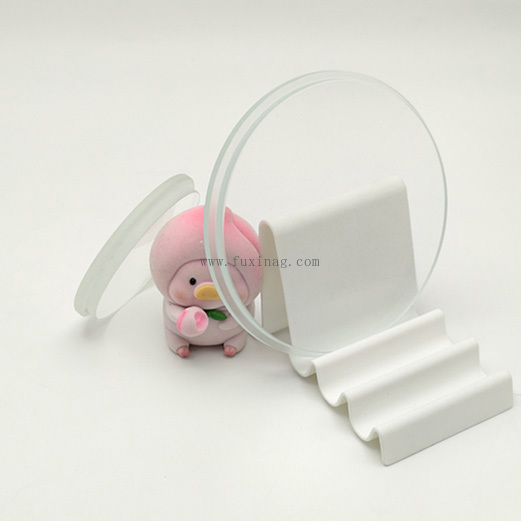
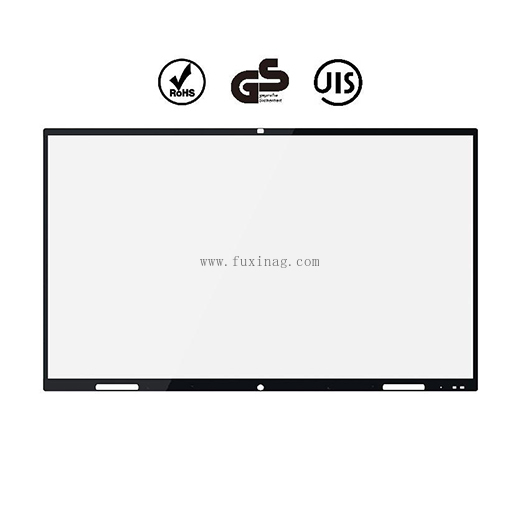
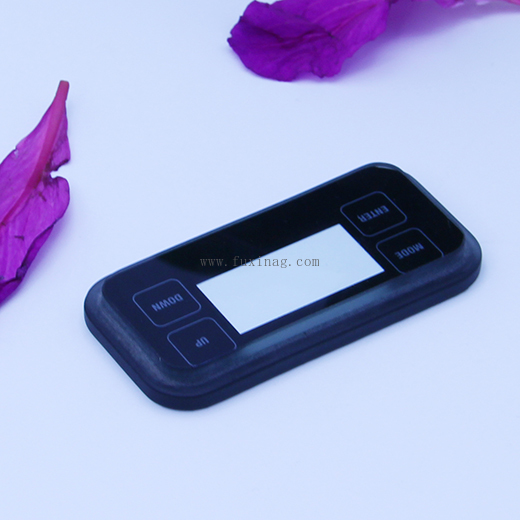
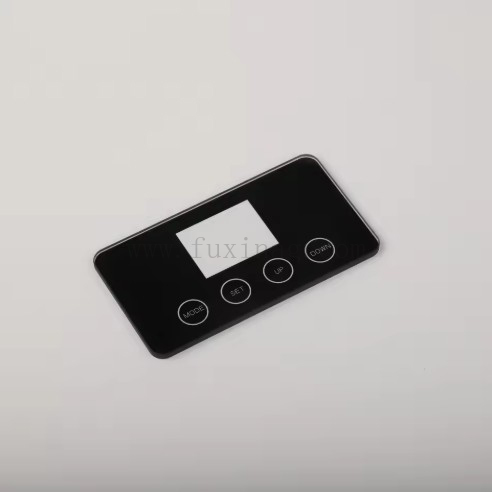
The automotive industry is undergoing a massive digital transformation. Traditional dashboards filled with mechanical buttons, analog dials, and plastic covers are rapidly being replaced by integrated, high-definition digital cockpits. Modern vehicles now feature large, sweeping displays that stretch across the dashboard, seamlessly merging the instrument cluster, central infotainment unit, and front passenger entertainment screen. At the heart of this revolution is the automotive center console.
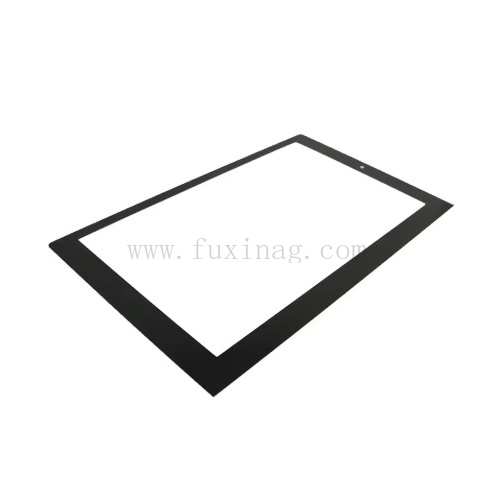
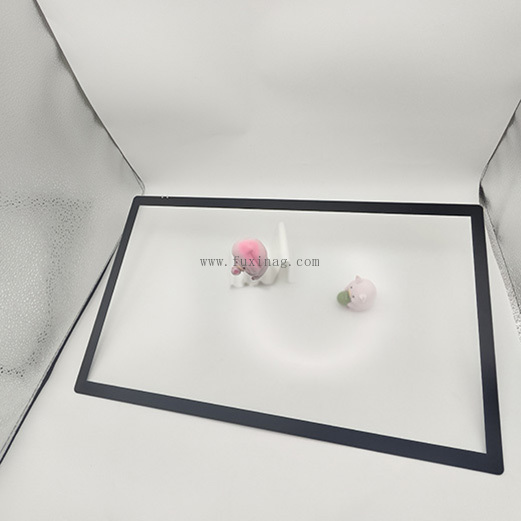
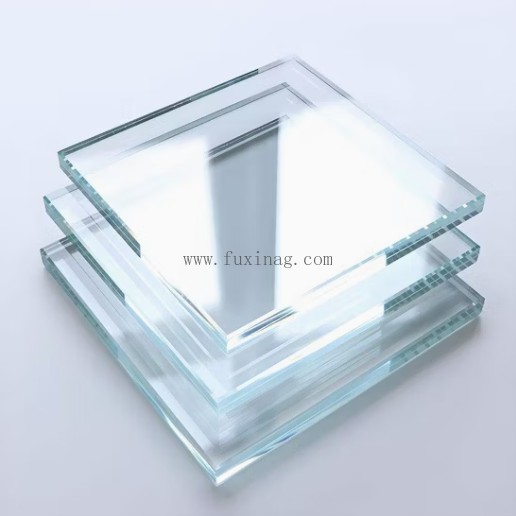
As these displays grow in size and complexity, they present a new set of challenges for automotive designers and optical engineers. The interior of a car is a harsh optical environment. Direct sunlight, shifting ambient light, and reflections from passenger clothing can make screens unreadable, posing a severe safety hazard to the driver. To combat these reflections and ensure optimal visibility under all driving conditions, Anti-Glare Etched Glass for Automotive Center Consoles has emerged as the gold standard in premium automotive display design.
Unlike standard displays, automotive glass must survive extreme temperatures ranging from -40°C to +85°C, high humidity, UV exposure, and heavy mechanical impacts while maintaining perfect optical clarity.
Anti-glare (AG) glass is designed to reduce ambient reflections by scattering the light reflected off the surface. There are two primary methods used to achieve this effect: chemical etching and spray coating. In the demanding automotive sector, chemical etching is highly preferred due to its superior durability and optical performance.
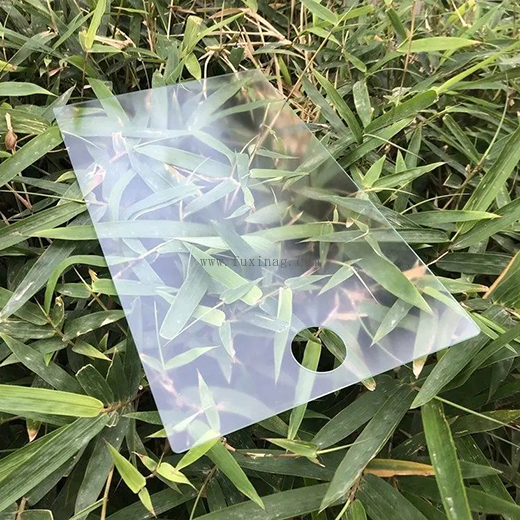
Chemical etching involves immersing the glass substrate in a controlled acid solution (typically hydrofluoric acid). The acid reacts with the glass surface, creating a microscopic, uniform texture. This micro-roughness alters the reflection characteristics of the glass from specular (mirror-like) to diffuse. When external light hits the etched surface, it is scattered in multiple directions, effectively neutralizing glare and allowing the light from the display underneath to pass through clearly to the driver's eyes.
While spray-coated AG glass is cheaper to produce, it relies on a polymer-based layer sprayed onto the glass surface. Over time, this layer can degrade, peel, or wear off due to friction from constant touching, cleaning agents, and UV exposure. Chemical etching, on the other hand, alters the molecular structure of the glass itself. The anti-glare properties are permanent and cannot be worn away, making it ideal for high-touch environments like center consoles.
Integrating etched AG glass into automotive center consoles offers several crucial advantages that elevate both the safety and aesthetic appeal of modern vehicles:
The global market for automotive display glass is experiencing exponential growth, driven by the rapid adoption of Electric Vehicles (EVs) and Autonomous Driving (AD) technologies. The center console is no longer just a housing for the gear shifter and climate controls; it has become the central command hub of the digital cockpit.
Market research indicates a strong shift toward larger screens, curved displays (2.5D and 3D shapes), and multi-display configurations. Tier-1 automotive suppliers and OEMs (such as Tesla, Mercedes-Benz, BMW, and BYD) are increasingly specifying chemically etched AG glass for their flagship models. The demand is also surging in the mass-market segment as consumers expect premium, smartphone-like touch interfaces in their vehicles.
Furthermore, sustainability and energy efficiency are influencing manufacturing processes. OEMs are looking for glass processors that utilize eco-friendly etching methods, waste-water recycling systems, and high-yield production lines to minimize the carbon footprint of each glass panel produced.
The integration of AG, AR, and AF coatings on a single chemically strengthened glass panel represents the pinnacle of modern display cover technology, ensuring maximum contrast, minimal glare, and clean surfaces.
As automotive interiors become more lounge-like and interactive, Anti-Glare Etched Glass is finding applications in several innovative scenarios:
Modern cockpits feature curved glass panels that wrap around the driver's field of view. Chemical etching is performed on flat glass before it is thermally or chemically bent into 3D shapes. This ensures that the anti-glare effect remains uniform across the entire curved surface, preventing distortion at the edges.
To reduce visual clutter, designers are implementing "Shy Tech" interfaces. These are controls that remain invisible under a seamless glass surface until they are touched or activated. The low-gloss, matte finish of etched AG glass helps blend the inactive screen areas perfectly with the surrounding dashboard trim, creating a clean, minimalist aesthetic.
Many OEMs are combining touchscreens with physical knobs mounted directly through holes cut into the glass. The high precision CNC cutting and edging capabilities of advanced glass processors allow for flawless holes and step-profiles in tempered AG glass, ensuring structural stability around the physical controls.
To achieve the ultimate optical performance, etched AG glass is rarely used in isolation. Instead, it is combined with Anti-Reflective (AR) and Anti-Fingerprint (AF) coatings:
The AG + AR + AF Triple Solution: The base glass is first chemically etched to create the AG surface. Next, a multi-layer AR coating is deposited via vacuum sputtering (PVD) to reduce surface reflectance even further (from ~4% down to under 0.5%). Finally, a hydrophobic and oleophobic AF coating is applied to make the glass easy to clean and resistant to finger oils. This combination ensures that the display remains highly readable even when subjected to direct, intense sunlight.
Producing glass for the automotive sector requires strict adherence to international quality standards. The glass must undergo rigorous testing, including thermal shock resistance, chemical resistance to common cabin cleaners, solar radiation exposure, and mechanical impact testing. Only manufacturers with state-of-the-art facilities, like Fuxin Glass, can consistently meet these requirements while maintaining high yields and competitive pricing.
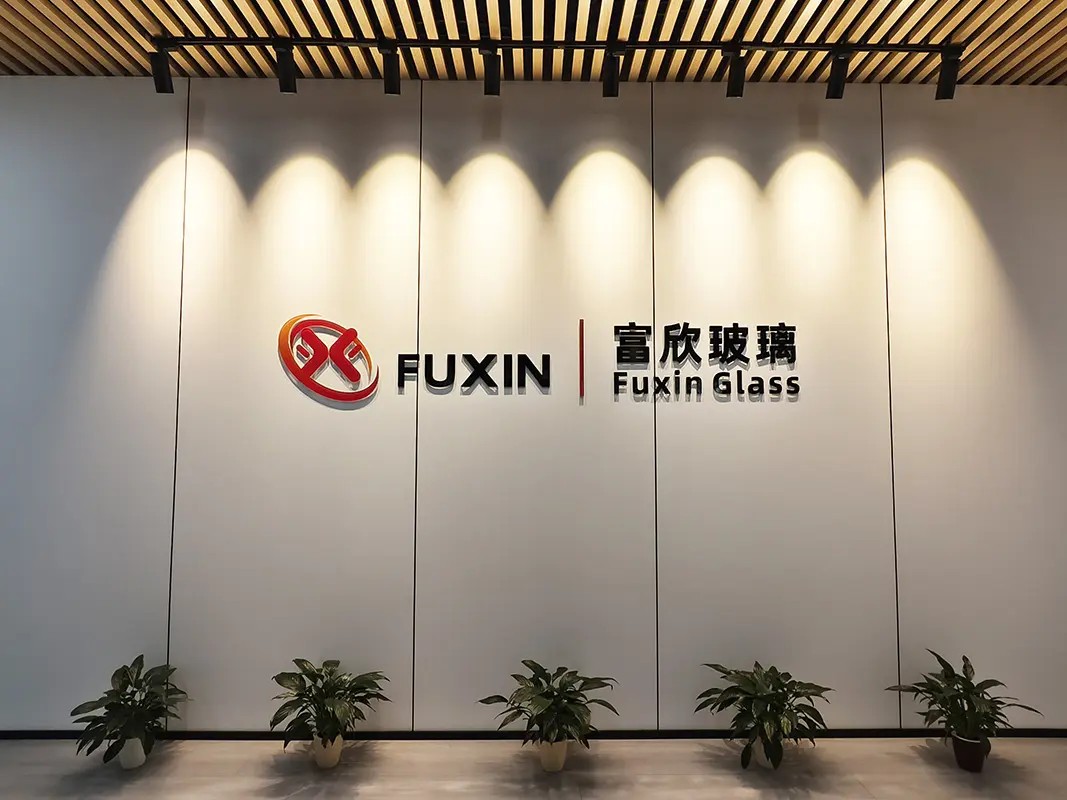
Founded in 2012, registered capital $1.5 million & 21000+m² plant, Fuxin Glass is an ODM/OEM provider for glass deep-processing service over 13 years, accumulating rich industry experience. We process base glass into customized cover glass with AG/AR/AF/AM surface coating and silk screen printing for touch screen, smart control devices, home appliances, lighting, and other special optical applications. Our factory is near the beautiful Wanlv Lake, Heyuan City, China.
The factory boasts a comprehensive suite of precision glass processing equipment, including glass tempering lines, fully automatic CNC cutting and edging lines, a large-scale screen printing line, linear and custom-shaped edging machines, and AG, AF, AR, and Anti-bacterial glass spraying. Leveraging a strong R&D and sales team, production capacity, and a stable supply chain, Fuxin Glass has grown to become one of China's top 3 electronic and electrical cover glass manufacturers and enjoys a global reputation. We maintain stable partnerships with many renowned global brands, including TCL, HKC, CVTE, OKV, HUAWEI, KONKA, SEEWO.
The company has a team of over 50 leading professional technical personnel. Based on the enterprising thinking of building a business with integrity, creating a new future, technological creativity and leading by science and technology, we are constantly innovating. We always adhere to the principle of "integrity, quality and win-win" and are willing to establish good long-term cooperative relationships with customers all over the world!
Fuxin Glass will give you quality and service that goes far beyond anyone else
Our factory has 13-year of OEM/ODM experience.
ISO, RHOS, GS, JIS Z certificate.
24-hours Professional after-sale service.
Specializing in the research, design, production, and sale of electronic display glass.
Fuxin Glass owning a leading R&D team which combines of a total of 50
Top 3 A-share listed electronic display glass manufacturer in China.
Professional manufacturer of AG glass, AM glass, AR glass, AF glass, and various electrical glass.
Our Customers: continuous cooperation over decades with the well known customers, including TCL, BOE, CVTE, Hisense, HKC, HUAWEI and etc.