
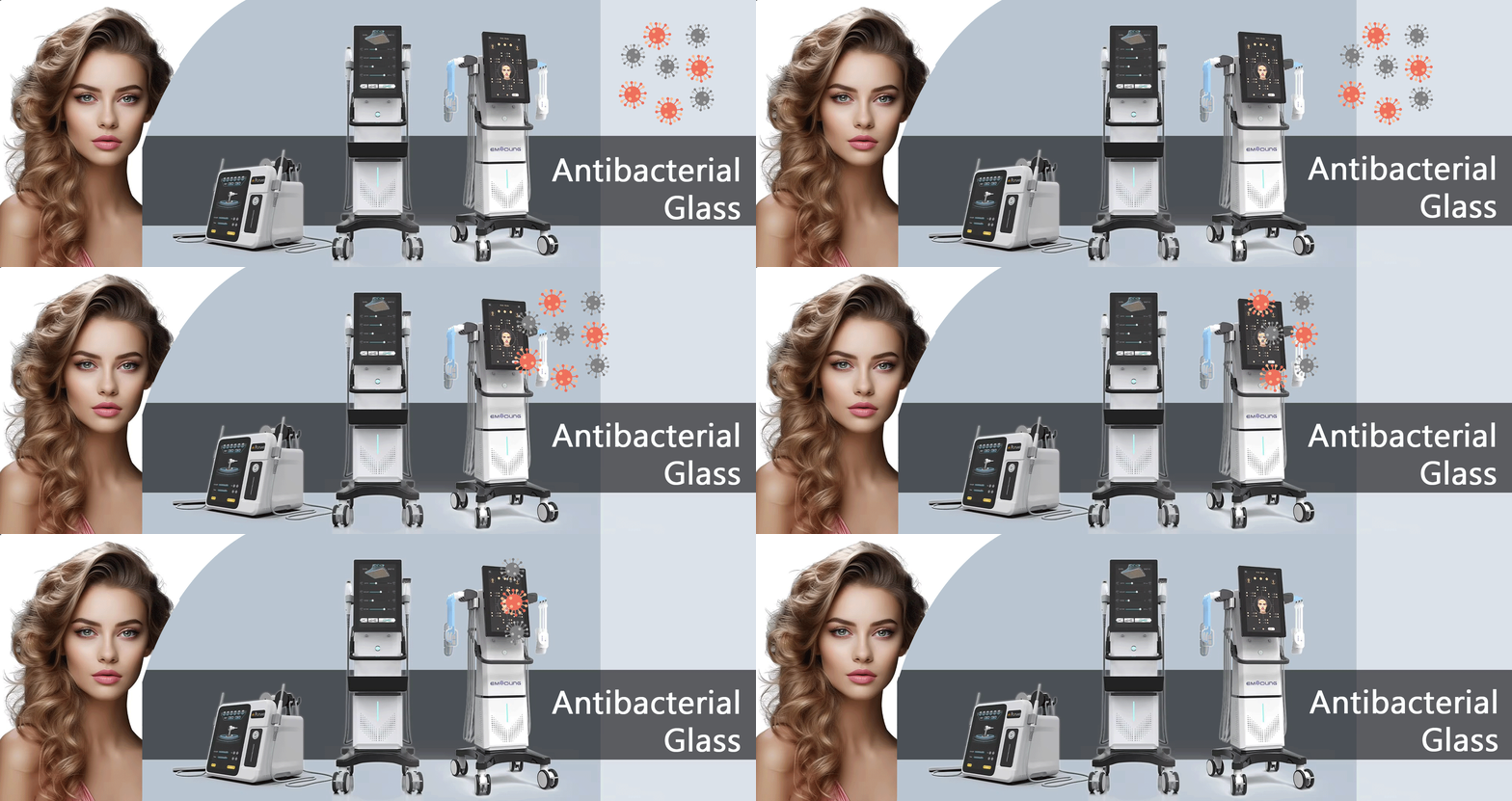
Anti-microbial Glass
| Parameters | Silver Ion Type |
| Light Transmittance (380-780nm) | ≥88% |
| Antibacterial Rate (24h) |
Escherichia Coli: 99.9%
Staphylococcus Aureus: 99.7%
|
| Effective Time | 90% Antibacterial Rate within 2 Hours |
| Antibacterial Durability | 10 Years (Simulated Sunlight Aging) |
| Mohs Hardness | 6.5 |
| Thermal Expansion Coefficient (×10⁻⁷/℃) | 90 |
| Acid Resistance (5% HCl, 24H) | Mass Loss <0.1mg/cm² |
| Heavy Metal Precipitation (Pb/Cd) | <1ppm |
-

 ProofingMake screen cover according to drawings or samples
 -
 Sample CheckSend to customer for confirmation, adjust processing details
 -
 Mass ProductionProduction according to the signed contract specs & quantity
 -
 InspectionFull-process inspection around the production and finish product
 -
 Pack & ShipPack and deliver to the customer's designated place
 -
 After-sales24-hour order follow-up and after-sales service support
Inquiry & Order



CONTACT US




-
1
How is the continuous antibacterial mechanism of antibacterial glass achieved?
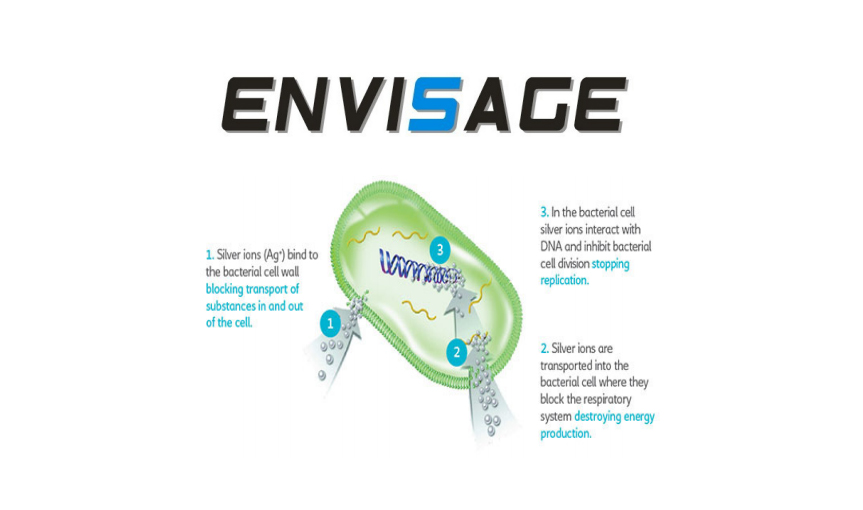
Destroy the microbial cell structure through the slow release of silver ions. The specific action path is:Silver-based: Ag⁺ combines with sulfhydryl enzymes → blocks the cell respiratory chain -
2
Will the antibacterial effect decay with the use time?
Silver ion type: After 10 years, the antibacterial rate remains > 95% (accelerated aging data of CSG)
-
3
Will antibacterial glass change the original transmittance?
Silver ion coating affects visible light by <3%(need to be weighed according to the application scenario)
-
4
Does surface scratch affect the antibacterial effect?
The surface coating type needs to control the scratch depth to <50μm
-
5
How much higher is the price than ordinary glass?
The coating method increases by 10%-30%.