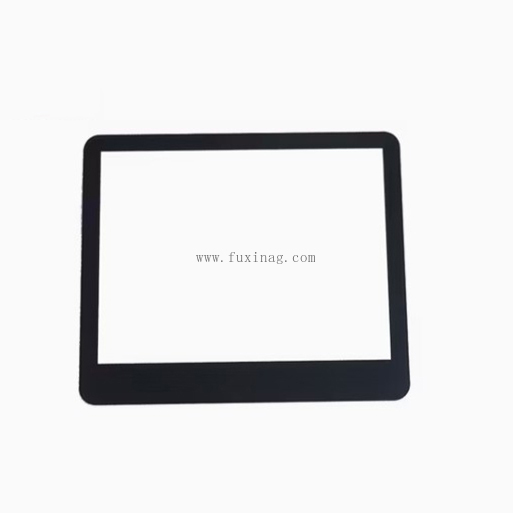
 New Design 0.5~2mm Tempered Glass with Anti Glare Coated Glass for Display Application
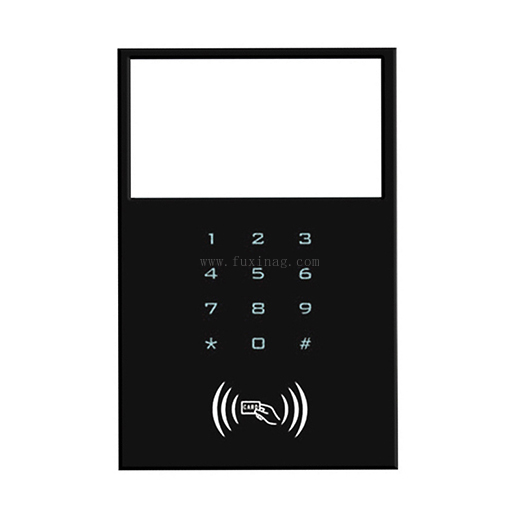 Premium 3mm Smart Lock Glass Cover - Compatible with Keypad & RFID Card Locks
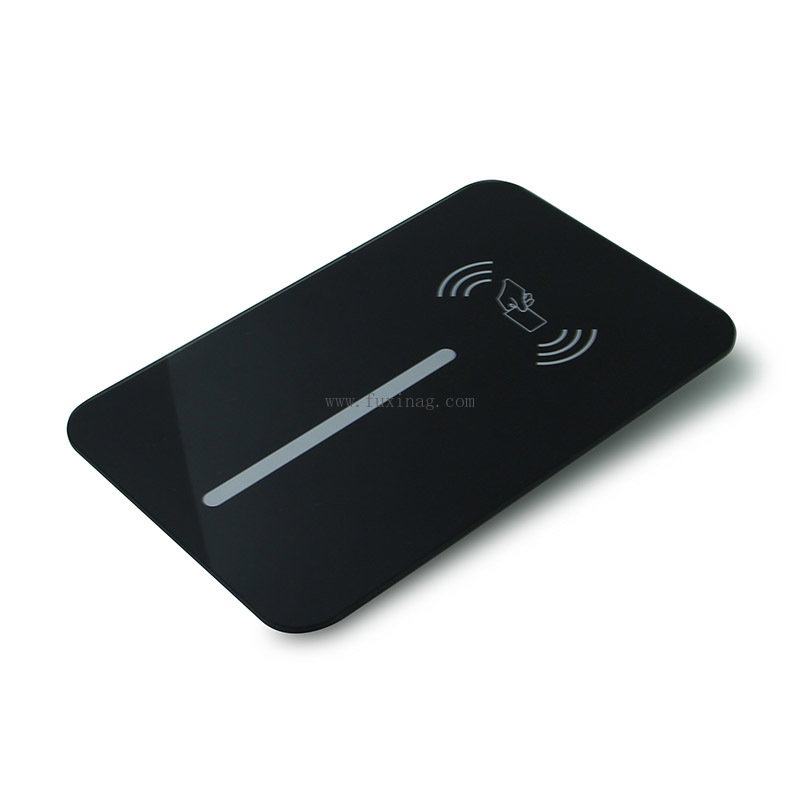 Factory Price 1~2mm Thick Tempered Cover Glass for Card Reader Door Lock Touch Panel RFID Identification Desktop POS Systems
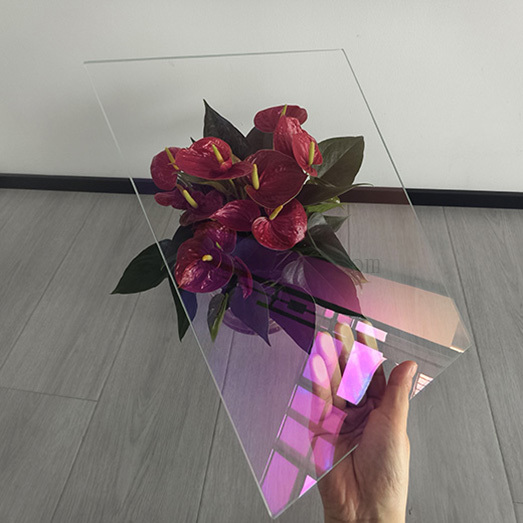 High Quality 4mm Ar Anti Reflective on Double Side >98% Transmission Tempered Cover Glass for Display
Ag Glass Haze Control: Revolutionizing Retail Mall Advertising Kiosks
In the fast-paced world of retail, advertising kiosks in malls have emerged as a dynamic medium to engage shoppers and elevate brand presence. However, the efficiency and visual clarity of these kiosks critically depend on the quality and characteristics of the glass used in their display panels. Anti-glare (AG) glass haze control technology has become a cornerstone in optimizing these interactive installations, effectively addressing common problems like screen glare, haze, and reduced visibility caused by environmental lighting.
Anti-glare haze control is a sophisticated surface treatment applied to glass that minimizes ambient light reflection while preserving high transparency and image fidelity. The advantage for retail mall advertising kiosks is clear: better visibility under varied lighting conditions, increased readability, reduced eye strain for users, and a more striking, vibrant display of promotional content.
Current Industry Landscape: AG Glass In Retail Malls
The retail and advertising industries have recognized the need for advanced cover glass solutions to overcome challenges posed by indoor lighting variations, sunlight through skylights, and reflective surfaces common in malls. Many kiosks generate reflections and haze that degrade the user experience and diminish the impact of digital advertising. AG glass haze control has gained rapid adoption among kiosk manufacturers and mall operators aiming to improve display performance.
Key factors driving the adoption of AG haze control glass in retail mall kiosks include lowering maintenance costs by reducing frequent cleaning, extending display life by protecting the screen from scratches and environmental contaminants, and enhancing customer engagement with crisp and easily readable digital signage.
Development Trends and Technological Innovations
The anti-glare haze control sector is rapidly evolving with improvements in nano-coating technologies, multi-layer AR (anti-reflective) films, and hybrid surface treatments combining anti-fingerprint and antibacterial properties. These innovations enable kiosk glass to resist not only glare but also smudges and microbial growth, ensuring longevity and hygiene in busy mall environments.
Moreover, manufacturers are pushing towards ultra-thin, lightweight tempered AG glass options enabling slimmer kiosk profiles without sacrificing durability or optical performance. Integration with high-transmission and double-sided AR coatings delivers over 98% light transmission, improving display brightness while suppressing reflections.
In-Depth Application Scenarios
Beyond simple anti-glare performance, AG haze control glass is tailored for several specialized applications within retail malls:
- Interactive Touch Kiosks: AG coating minimizes screen reflection even under bright overhead lighting, ensuring smooth touch sensitivity and user interaction.
- Digital Menu Boards and Directories: Reduces haze effect on large format glass panels, delivering vibrant and clear imagery critical for visitor navigation.
- Window Display Screens: Front-facing AG glass mitigates glare from outdoor sunlight streaming into malls, boosting storefront advertisement effectiveness.
- Wayfinding and Information Panels: Enhances readability even from wide angles or peripheral viewing positions common in crowded mall walkways.
The widespread application of AG haze control glass in these contexts exemplifies its versatility and vital role in modern retail technology solutions. Strategic deployment of AG-treated glass can differentiate the quality and impact of mall advertising kiosks, translating into increased retailer revenues and improved consumer experience.
Commercial Benefits and ROI Considerations
From a commercial standpoint, investing in high-quality AG haze control glass for retail kiosks provides measurable returns:
- Increased Dwell Time: Clear and glare-free displays attract and retain customer attention longer than traditional glass surfaces.
- Higher Engagement Rates: Enhanced visibility and readability encourage interaction and usage, boosting data and analytics for retailers.
- Reduced Maintenance: The haze control and protective coatings reduce fingerprints and smudges, lowering cleaning frequency and operational expenses.
- Brand Image Enhancement: State-of-the-art technology contributes to a premium perception, reinforcing brand prestige amongst shoppers.
Given these factors, mall operators and advertisers often prioritize AG glass haze control when upgrading digital signage infrastructure or launching new kiosk projects, recognizing its direct contribution to performance and profitability.
Sustainability and Future Outlook
As energy efficiency and sustainability continue to influence retail technology trends, AG glass haze control solutions are adapting with eco-friendly coatings requiring fewer chemical processes and enabling easier recycling. Lightweight yet durable tempered AG glass reduces material waste and transport emissions during installation and replacement cycles.
Looking ahead, the fusion of AG haze control with smart glass technology—such as electrochromic tinting and integrated sensors—promises to further elevate the functionality of retail advertising kiosks. Intelligent glass surfaces may automatically adapt haze and reflection levels based on ambient conditions, optimizing visibility in real time while conserving energy.
Conclusion
In summary, Ag Glass Haze Control is not just a protective layer but a transformative innovation for retail mall advertising kiosks, addressing the critical visual and functional challenges faced by modern digital signage. Its adoption enhances user experience, operational efficiency, and commercial performance, making it a vital component in next-generation retail environments. As technology advances, AG haze control glass will continue to evolve, enabling smarter, clearer, and more engaging retail interactions worldwide.
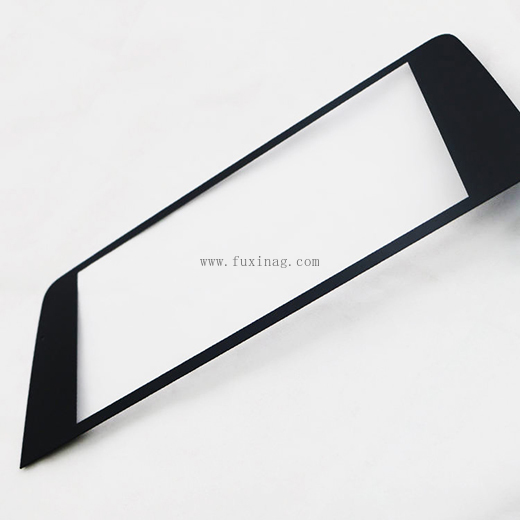 Customizable 15.6 Inch Silk Screen Glass Panel - Industrial Touch Tempered Glass
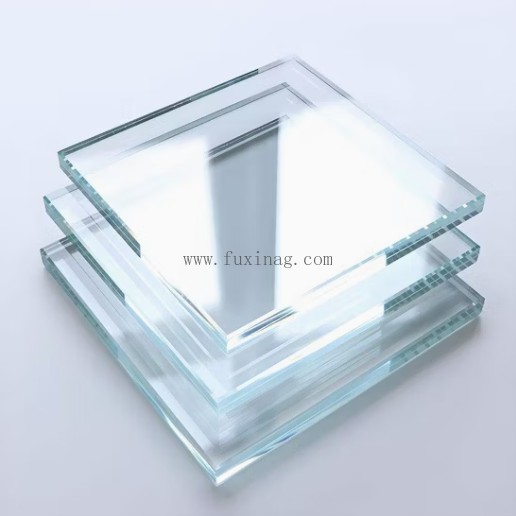 Factory Supply 3mm 8mm 10mm 12mm Thickness Ultra Clear Float Low Iron Glass for Lighting Showcase
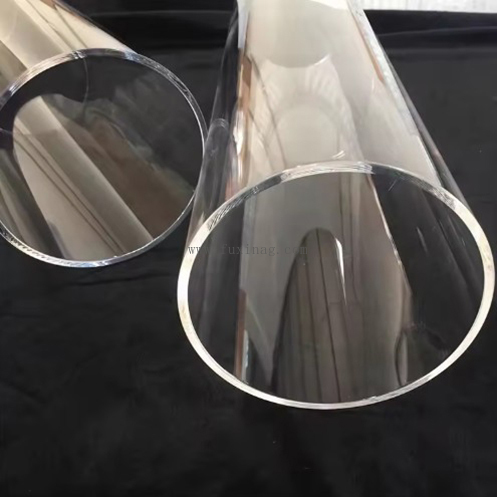 Customized Diameter High Borosilicate 3.3 Glass Tube High Quality Borosilicate Glass Tube
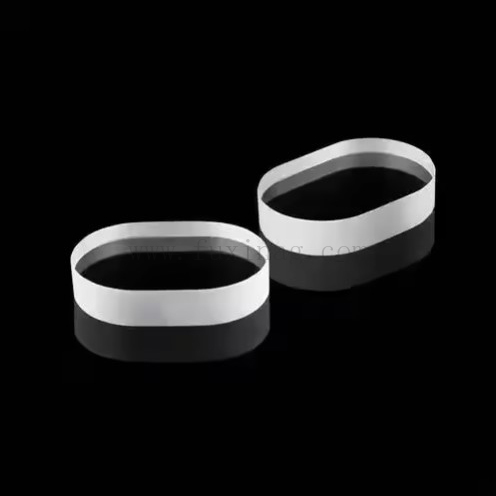 Customized High Temperature Resistance Transparent Optical Safety Circular Shaped Fused Quartz Transparent Glass Plate