Leave Your Message
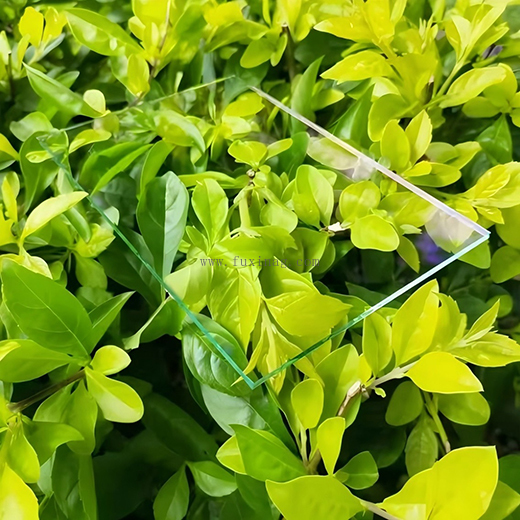
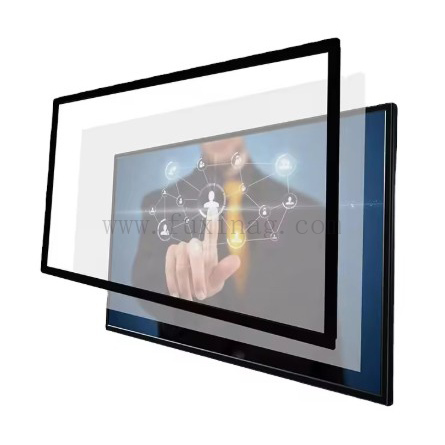
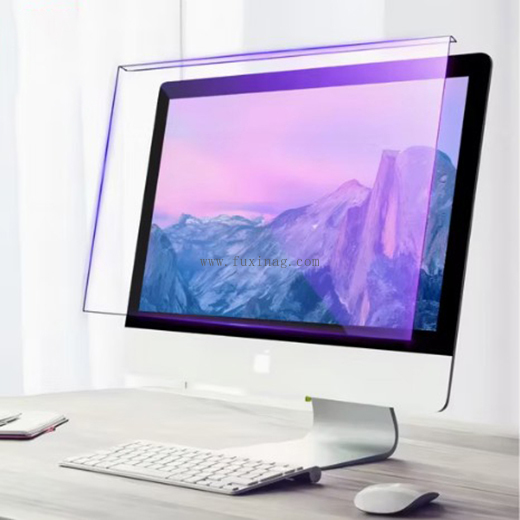
At sea, safety and precision are paramount. Ship navigation bridges serve as the central nervous system of any vessel, housing critical electronics such as Electronic Chart Display and Information Systems (ECDIS), RADAR interfaces, sonar visualization monitors, and engine control panels. The performance of these screens directly impacts the crew's ability to make split-second decisions under extreme conditions. This is where AG (Anti-Glare) Glass Deep Processing becomes indispensable.
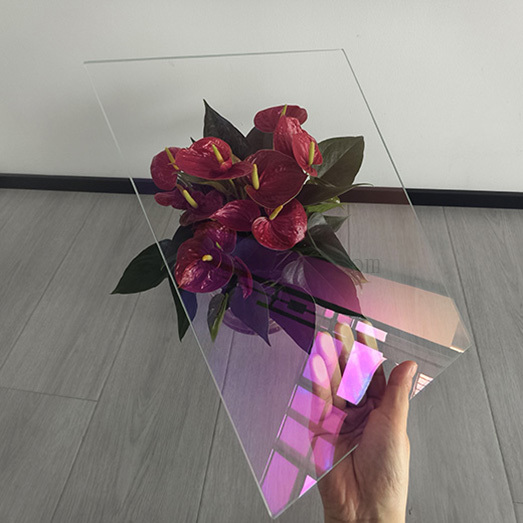
Standard display glass behaves like a mirror under direct sunlight, reflecting blinding glare into the eyes of operators. Conversely, during night operations, reflections from bridge instrumentation lights can distort visibility. AG glass solves this by altering the surface structure of the glass, transforming specular reflection into diffuse reflection. Through advanced deep-processing methodologies, the light-scattering properties of the glass are meticulously tuned to preserve display resolution while completely eliminating disruptive glare.
Marine-grade displays must comply with strict international standards, including IEC 60945 for maritime navigation equipment. Deep-processed AG glass guarantees that displays remain readable across all incident light angles, preventing eye strain and ensuring continuous compliance during critical offshore missions.
Deep processing of glass for marine environments is a multi-stage engineering process that goes far beyond basic glass cutting. To survive the harsh conditions of open waters, the glass must undergo chemical, optical, and mechanical modifications:
For ship navigation displays, chemical etching is the preferred method for AG treatment. Unlike sprayed coatings that can wear off or scratch over time, chemical etching uses acid to micro-sculpt the glass surface itself. This results in a permanent, highly durable anti-glare structure that cannot peel, bubble, or degrade under constant UV exposure and salty ocean air.
While AG glass scatters light to reduce glare, AR coating increases overall light transmission. By applying nanoscale layers of metal oxides, light transmission can be boosted to over 98%, while reflection is reduced to less than 1%. For marine displays, combining AG and AR ensures that screens are bright, vivid, and easily readable even when viewed through polarized sunglasses in bright noon-day sun.
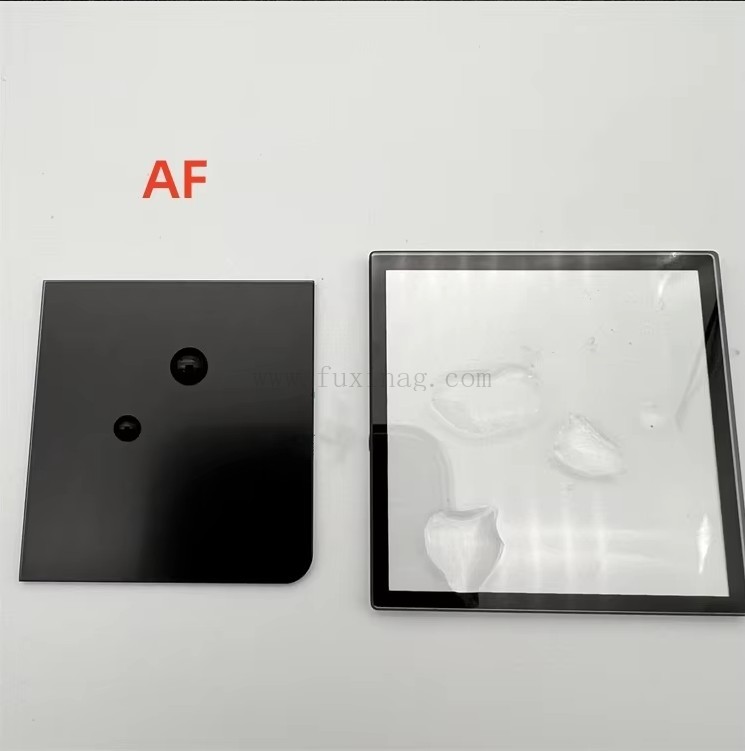
Modern bridge consoles rely heavily on interactive touchscreens. Without proper surface treatment, fingerprints, oils, and sea spray residue quickly obscure vital charts. An ultra-thin hydrophobic and oleophobic AF coating is bonded to the glass surface, allowing water droplets to slide off effortlessly and making finger-smudge cleanup quick and simple.
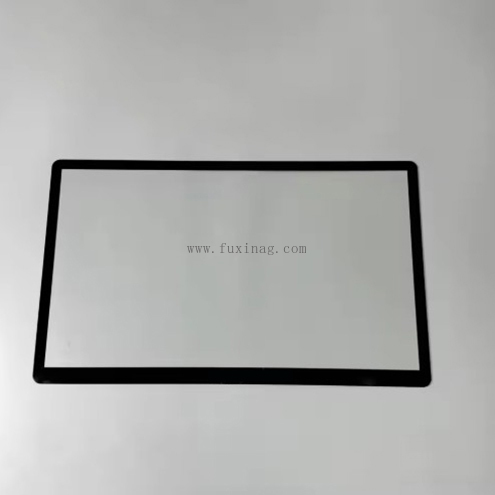
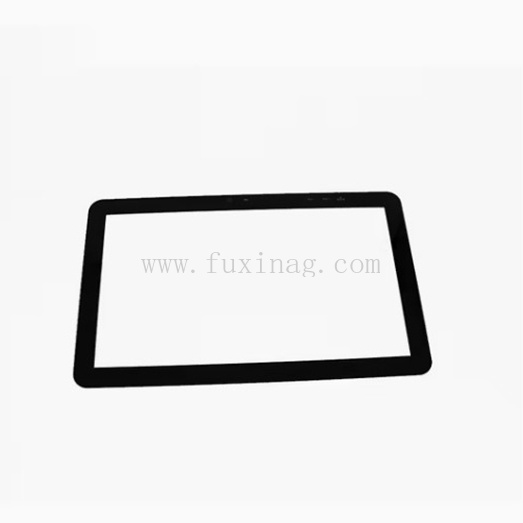
Marine display glass must withstand high mechanical shocks, vibration, and temperature fluctuations. Thermal and chemical tempering processes strengthen the glass by up to 5 times compared to standard float glass. Precision CNC machines route custom edge profiles, while high-temperature ceramic inks are silk-screened onto the borders to create seamless integration bezels that resist peeling and UV fading.
The global maritime industry is undergoing a digital revolution. The rise of autonomous shipping, smart fleet management, and integrated bridge systems (IBS) has driven a massive surge in demand for ruggedized, high-performance display components. Market research indicates that the marine display market is growing rapidly, with a high concentration of demand in commercial shipping, luxury yachts, naval vessels, and offshore oil and gas support ships.
Historically, deep-processed marine glass was a niche product dominated by high-cost European manufacturers. Today, manufacturers like Fuxin Glass have bridged the gap by offering world-class, ISO-certified deep processing capabilities at highly competitive commercial scales. By integrating cutting, CNC edging, chemical etching, vacuum sputtering (AR), and tempering under one roof, modern factories can provide bespoke OEM/ODM solutions tailored directly to the needs of global marine electronics brands.
Furthermore, the shift toward larger screen interfaces on ship bridges—such as 24-inch, 27-inch, and even ultra-wide 55-inch console displays—requires extreme precision in maintaining gloss uniformity across large glass sheets. Any variation in gloss can cause localized glare, rendering parts of a digital navigation chart unreadable. State-of-the-art automated spraying and etching lines are now crucial to meeting these tight industrial tolerances.
The requirements for deep-processed AG glass vary depending on where and how the display is mounted on the ship's bridge. Here are the primary application scenarios:
Electronic Chart Display and Information Systems run continuously. They require precise color rendering and high resolution. Chemically etched AG glass with low haze ensures that text, depth lines, and navigation symbols remain sharp and clear under any ambient lighting, preventing operator fatigue during long watches.
Radar and sonar screens often display faint targets against dark backgrounds. Reflections on the glass can easily be mistaken for real targets or obscure critical hazards. High-transmittance AR-coated glass combined with light AG texturing minimizes reflections, allowing watchstanders to spot weak signals instantly.
Located on the exposed sides of the bridge, wing displays are subjected to direct sunlight, rain, and salt spray. These screens require heavy-duty tempered glass with advanced hydrophobic (AF) coatings. The glass must repel water quickly to maintain touch responsiveness and visibility during docking maneuvers in stormy weather.
Integrated control panels monitor critical machinery. These touchscreens are operated by crew members who may have oil or grime on their hands. Oleophobic AF coatings prevent oil buildup, while chemically strengthened glass ensures the screen remains intact even if struck by heavy tools or hardware.
As marine electronics continue to evolve, new challenges emerge, driving innovation in glass deep processing technologies:
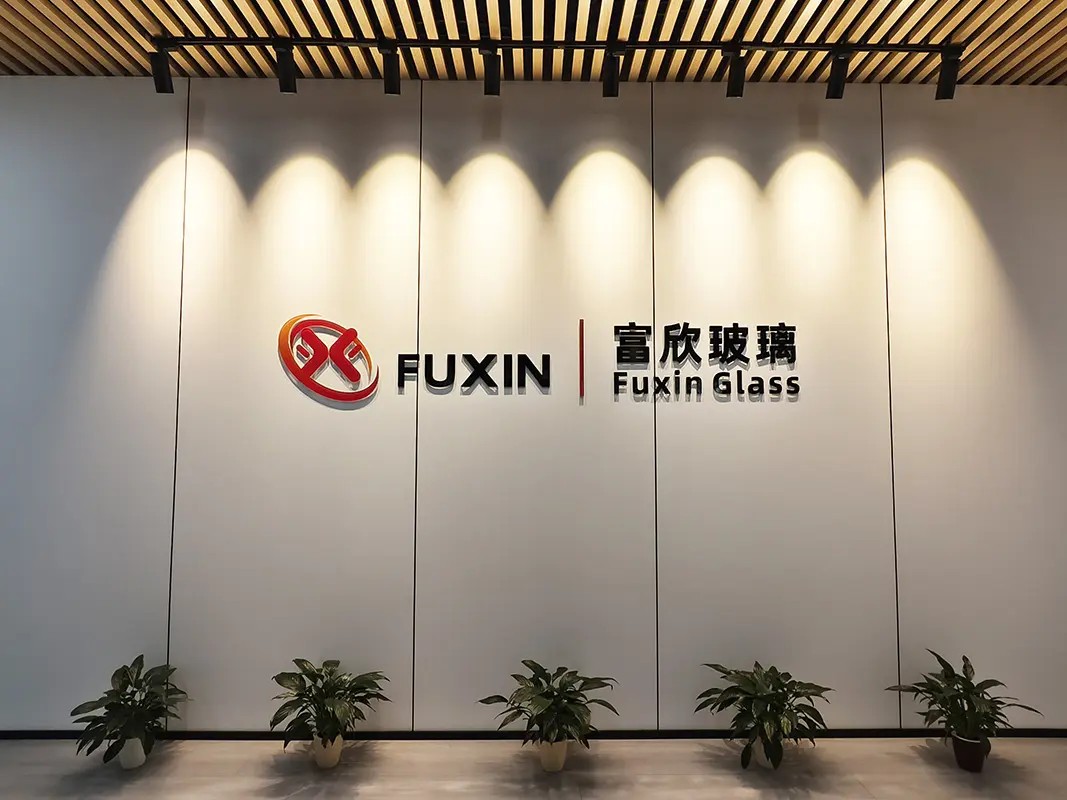
Founded in 2012, with a registered capital of $1.5 million and a massive 21,000+ m² modern manufacturing plant, Fuxin Glass has established itself as a premier ODM/OEM provider of glass deep-processing services for over 13 years. We possess rich industry experience, converting raw base glass into customized high-performance cover glass featuring AG (Anti-Glare), AR (Anti-Reflective), AF (Anti-Fingerprint), and AM (Anti-Microbial) surface coatings, complemented by precision silk-screen printing for touchscreens, smart control devices, home appliances, lighting, and specialized optical applications.
Located near the beautiful Wanlv Lake in Heyuan City, China, our advanced facility boasts a comprehensive suite of precision glass processing equipment. This includes state-of-the-art glass tempering lines, fully automatic CNC cutting and edging lines, large-scale screen printing lines, linear and custom-shaped edging machines, and specialized AG, AF, AR, and Anti-bacterial spraying systems.
Leveraging a powerful R&D team, robust production capacity, and a highly stable supply chain, Fuxin Glass has grown to become one of China's top 3 electronic and electrical cover glass manufacturers, enjoying a stellar global reputation. We maintain long-term, stable partnerships with many renowned global brands, including TCL, HKC, CVTE, OKV, HUAWEI, KONKA, and SEEWO. Guided by our core principles of "integrity, quality, and win-win," our team of over 50 leading professional technical personnel is dedicated to continuous innovation, building strong, lasting relationships with clients worldwide.
Fuxin Glass will give you quality and service that goes far beyond anyone else
13-Year OEM/ODM Experience in Glass Deep Processing
Fully Certified: ISO, RoHS, GS, and JIS Z Standards
24-Hour Professional After-Sales Support
Specialized in Display Glass Research, Design & Production
Leading R&D Team Combining 50+ Experts
Top 3 A-Share Listed Cover Glass Manufacturer in China
Expertise in AG, AM, AR, and AF Glass Technologies
Decades of Cooperation with TCL, BOE, CVTE, Hisense, HKC, HUAWEI, etc.